Auto Amazon Links: No products found.
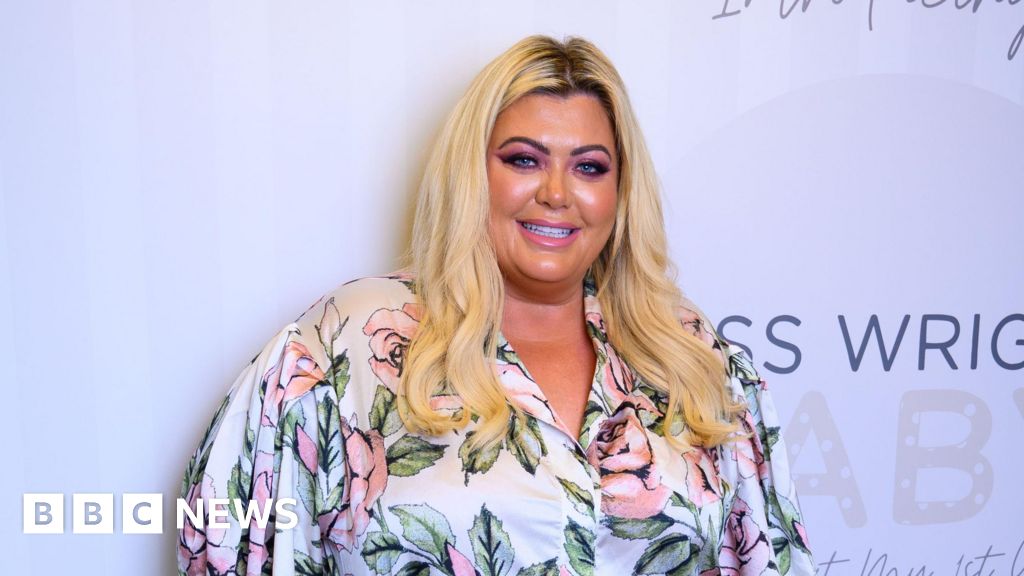
The Department for Education (DfE) has come under criticism for partnering with reality television personality Gemma Collins in a social media campaign aimed at promoting post-16 education options. Collins appears in several videos shared on the DfE’s social media platforms, including a recorded conversation with Education Secretary Bridget Phillipson. The initiative has drawn mixed reactions, with some questioning the choice of a reality TV star and others, particularly advocates for children with special educational needs and disabilities (SEND), expressing frustration with the government’s approach to addressing SEND provision.
Education Secretary Phillipson has defended the collaboration, dismissing some of the criticism as “outright snobbery and just downright unpleasant.” She highlighted Collins’s significant social media reach, which she stated “politicians can’t reach.” Collins, known for her appearances on shows like Celebrity Big Brother, I’m a Celebrity Get Me Out of Here, Celebrity MasterChef, Celebs Go Dating, and Dancing on Ice, boasts a following of 2.3 million on Instagram—far surpassing the DfE’s 85,000 followers and Phillipson’s 19,000. The Department emphasized that the campaign focuses on “how we are transforming post-16 education” and aims to support young people pursuing high-quality vocational courses. According to the BBC, Collins chose to work with the DfE to promote alternatives to university for young people.
In the videos, Collins is seen engaging with staff at the DfE, including a clip where she walks into their offices accompanied by the theme music from the film The Devil Wears Prada, asking, “Right, what are we doing to help the children?” She also discusses vocational education with Phillipson and shares her admiration for monarch Richard III. The DfE responded to concerns about funding influencer partnerships by clarifying on their Instagram page that Collins was not paid for her involvement and described the interaction as a positive conversation about the education system.
However, the campaign has been met with strong opposition from SEND advocates. Aimee Bradley, who has three autistic children and leads the SEND Sanctuary UK parent campaign group, criticized the timing and tone of the videos. She called for an apology, saying, “Some parents are literally grieving children lost after years of unmet need, school trauma, mental health collapse, and systemic failure.” Bradley described the PR content as “honestly sickening,” especially since it was released just after the government’s consultation on SEND provision closed. She argued that there were many others better suited to speak on these topics, adding, “It felt like a joke on us parents… there needs to be an apology for us parents, who are literally just fighting for our lives.” Another parent and advocate, Amy White, expressed that the campaign seemed out of touch, noting that using a television personality with no direct experience supporting children with SEND felt “completely disconnected from the reality families face every single day.” White described the department’s efforts as “frightening,” “insensitive,” and, for many families, “downright insulting.”
Despite the criticism, some understand the strategy behind the DfE’s choice. Teacher Russell Clarke acknowledged that although Collins might not be the obvious spokesperson for education, her social media presence could engage a demographic that would otherwise ignore government messages. Clark pointed out the potential risk of sending mixed messages, noting that Collins’s success without qualifications might be misinterpreted by some young viewers. He suggested involving a broader range of contributors to balance the campaign’s message more effectively.
Phillipson, speaking on BBC Radio 5 Live, described the collaboration as “loads of fun,” emphasizing Collins’s passion for encouraging young people to succeed. She acknowledged that some of the backlash consisted of “outright snobbery” and “kill joy attitude.” Phillipson stressed that Collins was keen to promote the value of working hard in school, especially in areas where academic achievement is not widely seen as a path to a better life. She argued that if Collins could communicate this to young people who might disregard official messages from politicians, it would be beneficial. Phillipson highlighted the importance of reaching a broad audience to raise awareness about new vocational routes and support available to families.
King’s College London marketing expert Dr. Gillian Brooks commented that the problem rests less with Collins herself and more with the choice of influencer. She explained that Collins’s public profile is firmly rooted in entertainment rather than education or vocational training, which means the influencer’s personal brand overshadowed the policy message the DfE intended to promote. The DfE defended their approach, stating it is vital to connect with people “where they are,” whether through in-person events or social media. They maintained that working with Collins helped them reach a wider audience and raise awareness about educational opportunities, aligning with their broader mission to improve life chances for young people across the country
Read the full article from The BBC here: Read More
Auto Amazon Links: No products found.