Auto Amazon Links: No products found.
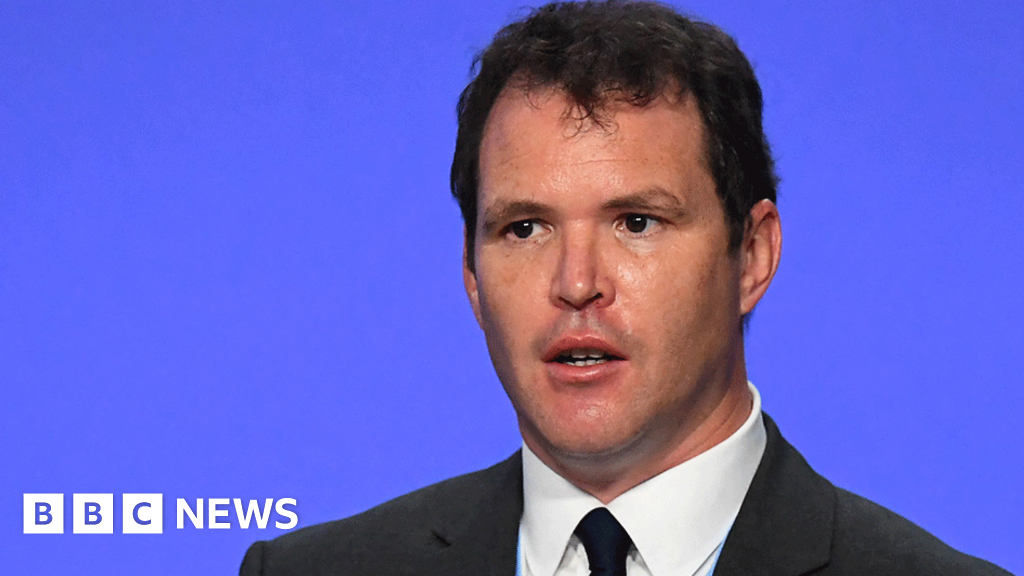
A former Welsh Labour minister has warned that the party is facing a critical existential challenge following its disappointing results in the recent Senedd election. Lee Waters, who served as Labour’s transport minister, described witnessing the party’s decline as a “painful and frustrating experience,” noting that Labour narrowly avoided complete devastation by holding on to just nine seats.
This election marked a significant shift in Welsh politics, with Labour finishing third behind Plaid Cymru, which secured 43 seats, and the Reform party, which took 34 seats. Labour’s traditionally dominant presence in Cardiff Bay, maintained since 1999, was significantly eroded. A Welsh Labour spokesperson acknowledged the severity of the outcome, describing the results as “catastrophic” and emphasizing the need to analyze and understand the reasons behind such a poor performance.
Waters emphasized that the party’s collapse did not hinge on a single issue but rather a combination of factors. He characterized the situation as an existential crisis requiring Labour to reconsider its fundamental purpose. Highlighting the narrow margin between Labour and the Conservatives—within just 4,000 votes—he stressed the gravity of the party’s situation. Waters also reflected on past policy decisions, including the contentious introduction of a default 20mph speed limit in built-up areas, which he admitted had consumed significant political capital and created challenges for the party’s standing.
Looking ahead, Waters pointed out the challenges Plaid Cymru will face as it transitions from opposition to governance in Cardiff Bay. He observed that governing is more complex and costly than opposition, where winning allies and avoiding difficult trade-offs is easier. Meanwhile, a Labour spokesperson acknowledged the real concerns voters have expressed over NHS access, infrastructure, local services, the cost of living, and trust in politics, conceding that the party must address these issues and learn from its recent setbacks
Read the full article from The BBC here: Read More
Auto Amazon Links: No products found.