Auto Amazon Links: No products found.
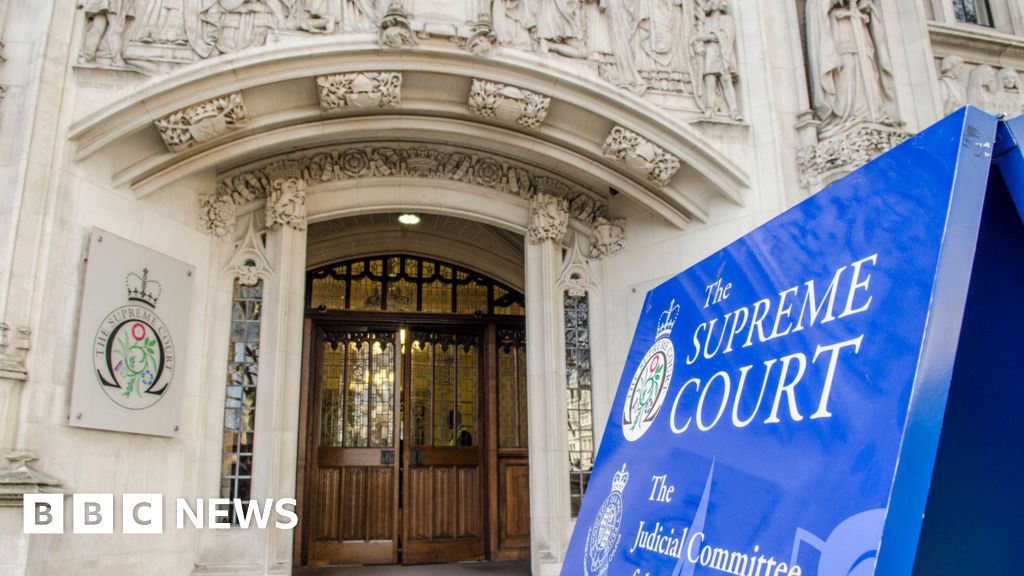
The UK Supreme Court has recently delivered a significant ruling concerning the rights of severely disabled individuals aged 16 and above in relation to their care arrangements. The court decided that people who lack the legal capacity to consent may still be able to validly consent to their care if they can understand their situation and express their feelings about it. This decision, prompted by a case brought forward by the Attorney General for Northern Ireland, will have implications across the entire UK, including England, Wales, and Scotland.
Northern Ireland’s Health Minister, Mike Nesbitt, had attempted to revise the code of practice governing deprivation of liberty for those unable to consent due to incapacity. The intent was to allow individuals’ wishes and feelings to be recognized as valid consent, even if they do not have formal legal capacity. This challenge questioned the previous Supreme Court decision known as Cheshire West, which set tighter boundaries around deprivation of liberty safeguards (DoLS) intended to protect vulnerable individuals in care settings like locked units or supported living. The new ruling rejects equating legal incapacity with a lack of valid consent under the Human Rights Act while promoting a more nuanced, multifactorial approach to determining deprivation of liberty.
While this fresh legal interpretation could reduce the number of people categorized as deprived of their liberty—potentially relieving pressure on the current, often overburdened DoLS system—disability advocacy organizations have voiced strong concerns. Charities such as Mencap, Mind, and the National Autistic Society warn that the decision strips protections from many severely disabled people, potentially exposing them to abuse and neglect “behind closed doors.” They criticize the removal of independent checks, advocacy provisions, and automatic legal aid access, describing it as a step backward that undermines safeguarding mechanisms and leaves vulnerable individuals with fewer avenues for justice and support.
The ruling places responsibility on health ministers to revise legal safeguards accordingly. Experts emphasize that the ability of individuals to express their consent or objections will vary case by case, complicating care providers’ duties. Campaigners are calling on the UK government to expedite new laws and interim guidance to clarify how disabled people and their families can challenge rights breaches and access necessary advocacy. Meanwhile, those affected number in the thousands in Northern Ireland alone, with many more across the UK whose care arrangements and legal protections may now be changed as a result
Read the full article from The BBC here: Read More
Auto Amazon Links: No products found.