Auto Amazon Links: No products found.
In Cumbria, many patients have been forced to cancel their health appointments due to difficulties with transportation, a local watchdog has revealed. Kate Rees, assistant head of service for Healthwatch in Cumbria and Lancashire, highlighted that the lack of reliable public transport combined with inconvenient appointment scheduling contributed significantly to these cancellations.
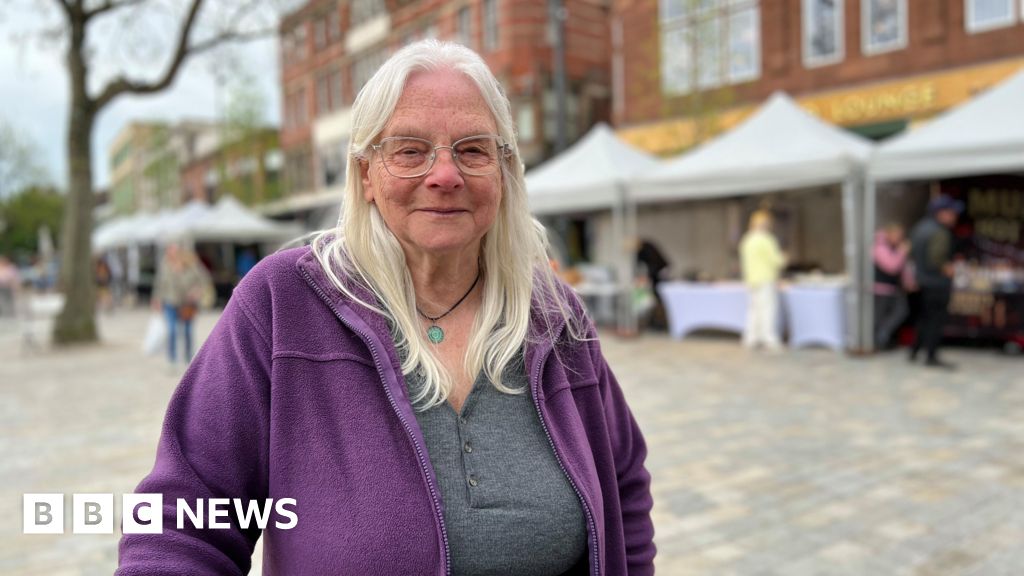
One striking example is Fen Watson from Bowness-on-Solway. Although her GP surgery is just four miles away in Kirkbride, Fen must endure a round trip of about 50 miles by bus. Because the limited bus service between her village and the surgery operates only a few times daily and never at appropriate times for a quick visit, she travels to Carlisle first and then connects to Kirkbride. This circuitous journey means Fen leaves home at 7:30 am for an 11:30 am appointment and does not return until 6:00 pm, resulting in a total travel time of ten and a half hours. Fen described the situation as “frustrating” and “extremely” limiting her independence, stressing the importance of public transportation for those who no longer drive. She urged route planners to “have a good look at a map,” explaining that although she appreciates the surgery, getting there remains a significant challenge.
Fen also acknowledged that depending on friends for lifts isn’t ideal, as she feels it places an unfair burden on them. To make the most of her long travel day, she tries to combine errands like shopping during her time away from home. Meanwhile, Tom Waterhouse, managing director of Stagecoach Cumbria and Lancashire, acknowledged the difficulties faced by passengers but explained that timetabling aims to strike “the best balance we can” between diverse passenger needs. He also mentioned efforts to run services designed specifically to help people access medical facilities.
A recent report by Healthwatch Westmorland and Furness surveyed 540 people about their experiences with transport to healthcare. It found that 40% of respondents had canceled appointments due to transport problems. Kate Rees noted plans to carry out similar research in Fen’s part of Cumbria. The study also pointed to issues with NHS patient transportation and the scarcity of accessible taxis for disabled individuals. Recommendations from the report included expanding transport routes to health centers, introducing mobile medical services, and increasing healthcare staff awareness of transport-related challenges faced by patients
Read the full article from The BBC here: Read More
Auto Amazon Links: No products found.