Auto Amazon Links: No products found.
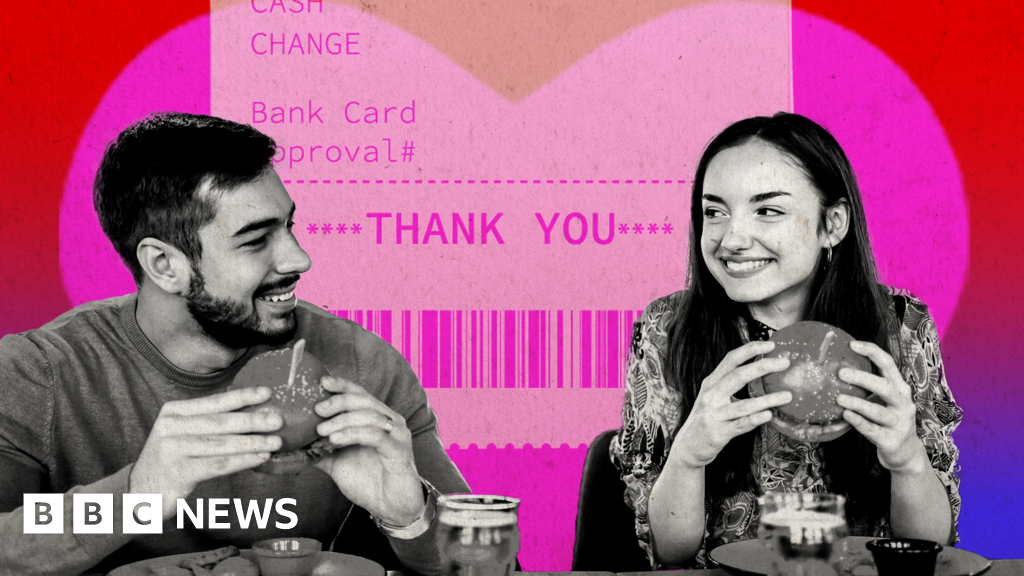
The question of who should cover the expenses on a first date continues to spark varied opinions. Among friend groups, responses often differ widely. Some argue for splitting the bill equally, others feel that the person who initiates the date ought to pay, while many still regard a man footing the bill as a charming tradition rather than an outdated norm. Rising costs for dining and drinks mean even a simple outing can quickly strain personal budgets.
For younger adults, particularly those under 30, the financial aspect of dating presents a significant hurdle. More than half of Gen Z report that the cost involved interferes with their ability to go out on dates. This financial pressure influences many views on expectations around who should pay, with gestures and intentions carrying weight beyond the amount spent.
Jennifer Read-Dominguez, a digital editor, believes the responsibility to pay on a first date should lie with whoever extended the invitation. She explains, “women can absolutely foot the bill themselves but that’s not the point.” Jennifer appreciates moments when traditional courtesies are maintained, seeing a man paying as a way to show effort and respect rather than to enforce dependence or inequality. She values the notion of enjoying the experience and feeling cared for, regardless of whether the venue is high-end or modest, as long as the cost is reasonable. However, Jennifer recounts a disappointing encounter where a man suggested splitting an expensive meal, only for his card to be declined, leaving her to pay the entire bill. Despite his promises to reimburse her, he never did, leaving her with a sense of being taken advantage of.
Content creator Yasmin El-Saie shares a similar sentiment. She would be discouraged if a man expected to split the bill on a first date, interpreting the act of paying as a sign that he wants his date to feel comfortable and valued. While she acknowledges this may be influenced by her upbringing, Yasmin finds it an attractive gesture. Nonetheless, she clarifies that she does not expect men to always cover expenses and is willing to contribute when the date continues, such as by paying for drinks after dinner. Yasmin also recalls unusual behaviors on some dates, such as a man who meticulously kept his food tokens separate during a buffet outing, and another who intentionally hid the à la carte menu to manage costs carefully.
From a different perspective, Jamie Rutter, a 32-year-old working in finance, highlights the importance of clear communication around money rather than sticking to strict rules. As a queer individual, Jamie points out that traditional dating norms around payment often don’t apply. He says, “my view is that if I ask someone out, I expect to pay. If they ask me out, I’d go in expecting to pay my half.” Jamie is upfront about his budget and is willing to suggest alternative plans if a date’s proposed venue is too costly. He prefers casual dates like coffee and walks, which allow better connection without financial pressure. One of his most memorable experiences involved a thoughtfully prepared three-course picnic fully paid for in advance, eliminating any awkward conversations about the bill. Despite sometimes spending lavishly on dates that don’t lead anywhere, Jamie always offers to split the cost afterward, regardless of the outcome
Read the full article from The BBC here: Read More
Auto Amazon Links: No products found.