Auto Amazon Links: No products found.
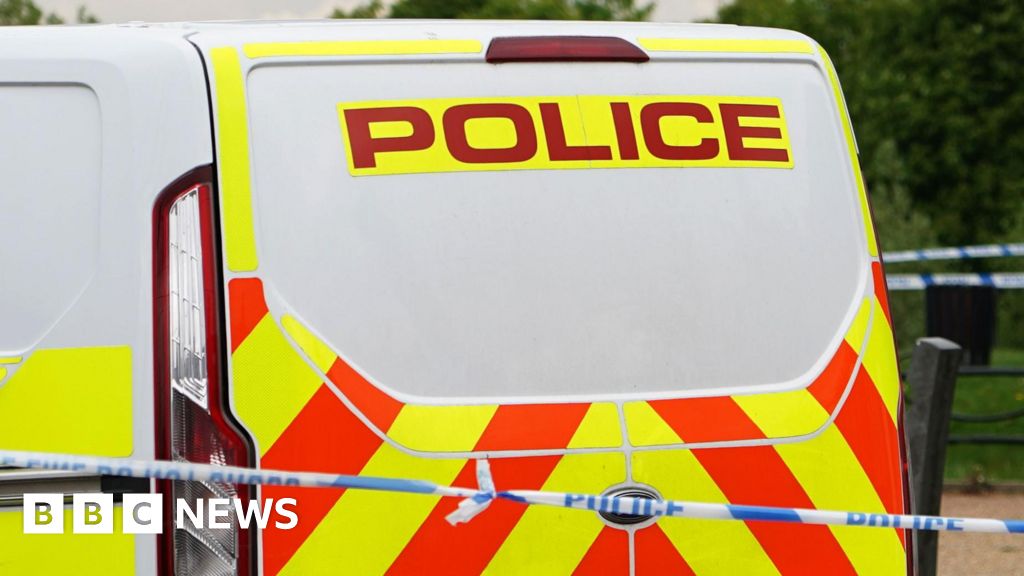
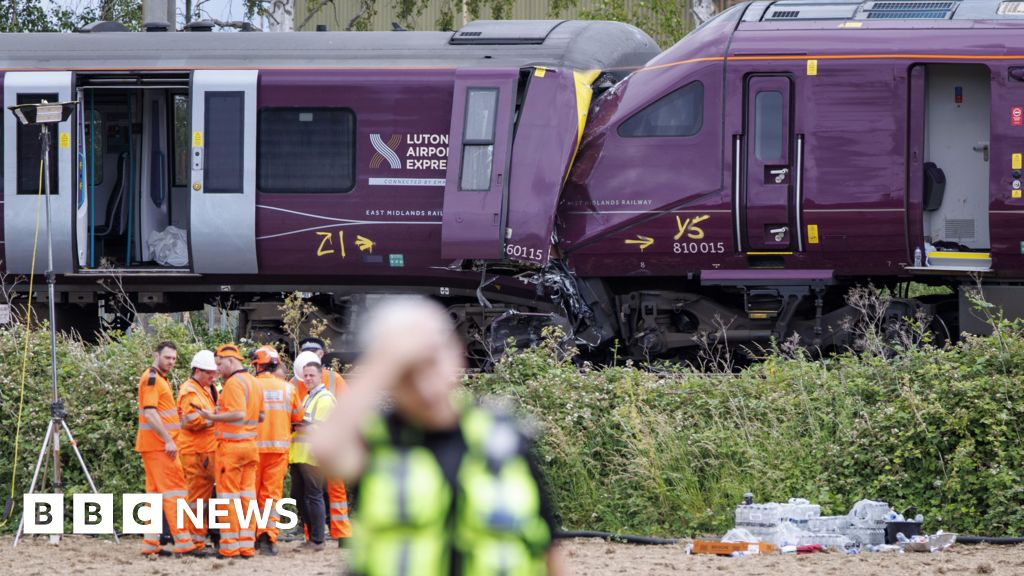
Network Rail has announced that disruptions on the line between London and Bedford are expected to persist for about a week after a fatal train collision near Bedford. The company described the incident as a “tragic, isolated incident,” emphasizing the severity and rarity of the crash. The collision involved two East Midlands Railway (EMR) services heading towards London St Pancras, occurring around 17:15 BST on Friday.
Tragically, the accident resulted in the death of a train driver, while roughly 100 passengers sustained injuries. According to police reports, 28 of the injured remain hospitalized, with nine individuals in critical condition. In response, EMR has suspended services to and from London St Pancras over the weekend, and Thameslink has urged passengers to travel only if necessary. Rail replacement buses are currently in operation between Luton and Bedford during this disruption.
Network Rail has indicated that the track between Bedford and Luton will stay closed until at least 28 June to facilitate the recovery work. This closure means no Greater Thameslink Railway (GTR) services will operate north of Luton, and no EMR trains will run south of Bedford. The service adjustments also extend into the week, with EMR modifying its operations: trains that typically start or end at London St Pancras will now do so at Bedford. Additionally, EMR will maintain a reduced schedule on its Intercity and Connect routes while regional services remain unchanged. The Luton Airport Express will also be suspended during the recovery period, though passengers traveling between Luton Airport Parkway and London St Pancras can use their tickets on Thameslink services without extra charges.
Recovery efforts face considerable challenges. Network Rail revealed plans to construct a temporary access road and lay a concrete foundation to support crane operations necessary for the clearance work. Andy Bowes-Roden, deputy editor of Modern Railways Magazine, noted that these preparations alone will take several days. He also commented on the resilience of modern trains: “All modern trains have crumple zones that are built to absorb energy and to keep passengers safe – the idea is that energy is in the crumple zones rather than passenger compartments. Here the damage looks much more contained and the crash worthiness features have worked.” The complexity of the situation is also highlighted by the tangled condition of the two trains involved, making the recovery operation particularly demanding.
Passengers who experienced the crash have shared harrowing accounts. Alistair Adamson, a passenger on the Nottingham to London St Pancras train, described the moment of impact: “All of a sudden, a really big impact. I immediately felt myself lurching forward and saw my colleagues across from me getting thrown around.” Dr. Peter Knapp, who was in the front carriage of the striking train, likened the scene to an explosion, stating, “When I got up, I saw all of the chairs everywhere. It felt like I’d been in a bomb explosion. I saw people’s bloodied faces, people’s legs looked broken, and there was smoke everywhere.” Another passenger, Shola Mene, recounted hearing a “big bang” and seeing passengers thrown from their seats amidst significant injuries, noting, “There was a lot of blood. A lot of people had facial injuries.” These firsthand testimonies underline the serious nature of the accident and the impact on those involved
Read the full article from The BBC here: Read More
Auto Amazon Links: No products found.