Auto Amazon Links: No products found. Blocked by captcha.
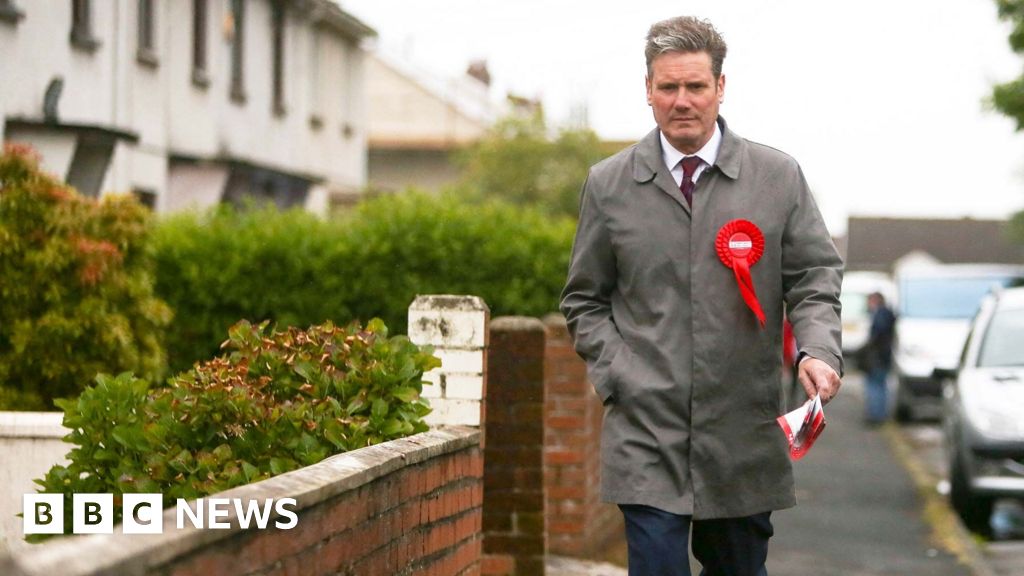
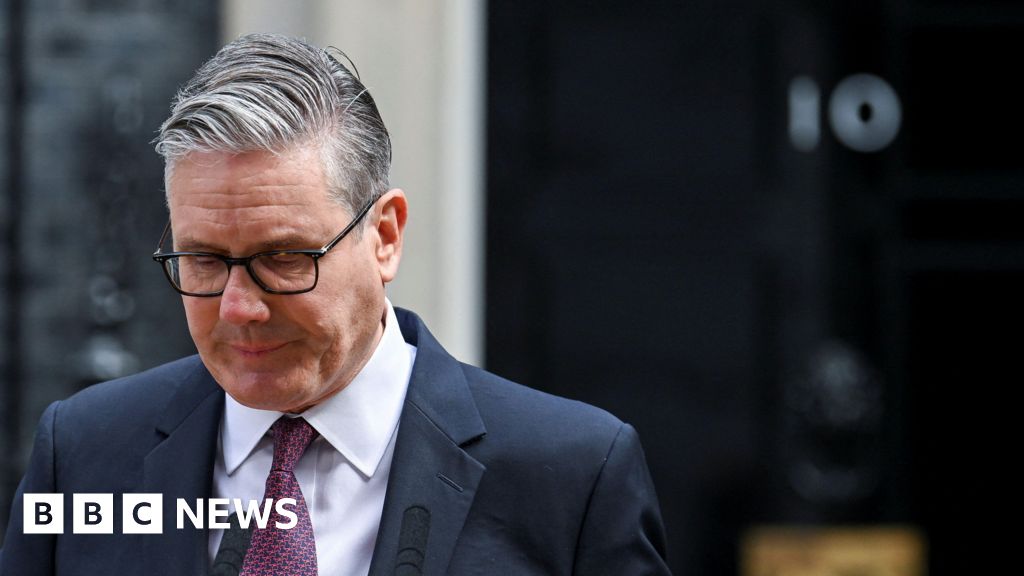
Sir Keir Starmer has declared his decision to step down as leader of the Labour Party, marking the conclusion of his term as the Prime Minister of the United Kingdom. Despite his resignation, he intends to remain in office until a new leader is chosen to succeed him.
The Labour leader had faced increasing difficulties over recent months, with both his personal approval ratings and those of the party at notably low levels. His position was further weakened earlier this year following the disclosure of documents by the US Department of Justice, which revived controversy surrounding his appointment of Peter Mandelson as ambassador to the United States. Additionally, a significant by-election loss in February—where Labour lost a previously secure seat to the Greens amid Sir Keir blocking Greater Manchester mayor Andy Burnham from running—served as a critical test of his leadership during the May local and national elections.
The poor outcomes of the May elections exceeded internal concerns and led to the resignation of key figures such as Health Secretary Wes Streeting and several junior ministers. Although Sir Keir attempted to maintain control, his influence waned further when Labour veteran John Healey stepped down as Defence Secretary earlier this month following internal disputes over defense spending. Meanwhile, Andy Burnham’s recent win at the Makerfield by-election, in which he held off Reform UK candidates, cleared his path toward re-entering Westminster and mounting a formal leadership bid. Initially, Sir Keir vowed to contest any leadership challenge but ultimately acknowledged over the weekend that the parliamentary Labour Party preferred new leadership ahead of the next general election.
There is not yet an official timeline from the party for selecting Sir Keir’s successor. However, in his resignation address, he indicated that leadership candidates will have from July 9 to July 16 to secure the necessary nominations to stand. According to Labour’s rules, hopefuls must be backed by at least 81 Labour MPs and supported by either 32 local party branches or three party-affiliated organizations, including trade unions. If more than one candidate meets these requirements, party members as well as affiliated trade union supporters will vote to decide the new leader before Parliament resumes in September. At this stage, Andy Burnham has confirmed his candidacy and appears to have substantial support from Labour MPs, while other potential contenders have not yet declared their intention to run. In fact, Wes Streeting has already ruled himself out and has publicly endorsed Burnham following Sir Keir’s resignation.
Should no other MP challenge Andy Burnham, he would be set to become Labour leader without opposition, likely ascending to the position of Prime Minister as soon as mid-July. This swift transition has prompted some Labour parliamentarians to call on Burnham—who has been out of Westminster for nearly a decade—to provide a clearer outline of his vision for governance. Questions have also emerged about how Sir Keir plans to deliver on his promise of a smooth transfer of power. Notably, the defence spending plan that triggered Healey’s resignation was scheduled for publication ahead of the NATO summit on 7 July, but its release may be delayed. Furthermore, an EU summit planned for 22 July, at which Sir Keir was expected to present agreements aimed at “resetting” post-Brexit relations with Europe, has already been postponed following his resignation announcement
Read the full article from The BBC here: Read More
Auto Amazon Links: No products found. Blocked by captcha.