Auto Amazon Links: No products found.
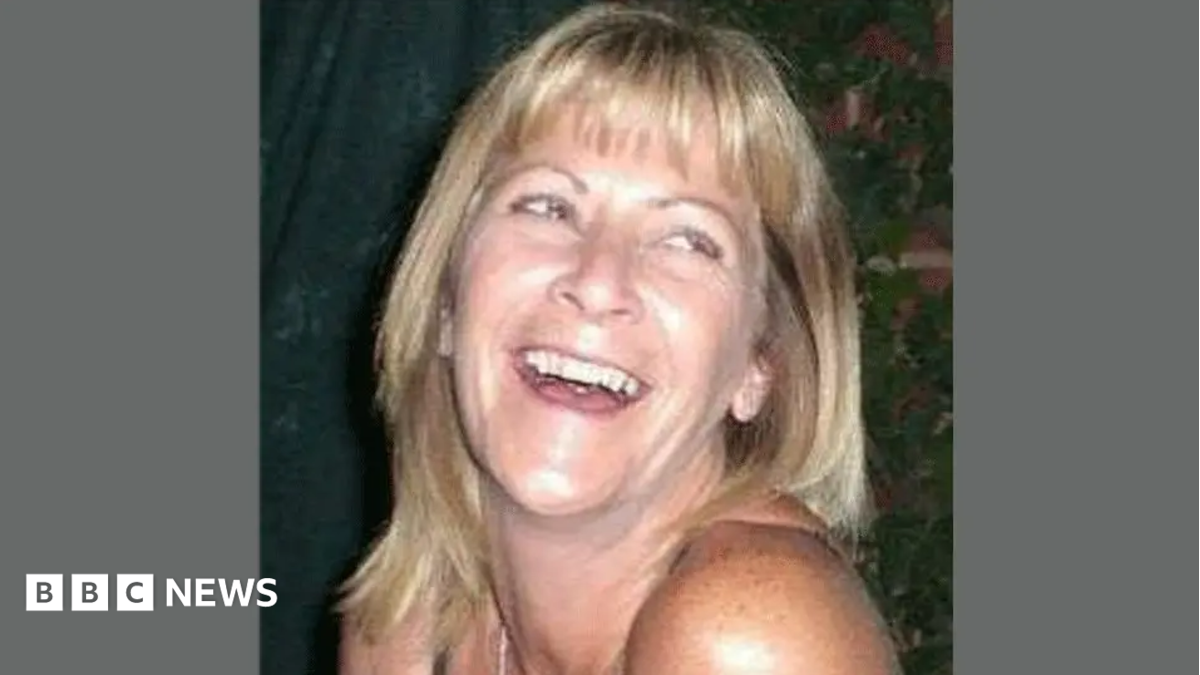
The inquest into the death of Maddy Cusack, the former Sheffield United player, revealed troubling details about the negative treatment she endured from her coach. Testimonies disclosed that Jonathan Morgan, who managed Sheffield United’s women’s team, had subjected Cusack to psychological pressure, calling her a “psycho” and engaging in apparent mind games. These behaviors contributed significantly to Cusack’s distress before her untimely death at the age of 27.
Cusack was discovered unconscious at her family home in Horsley, Derbyshire, by her father on 20 September 2023 and passed away later the same day. During the hearing at Chesterfield Coroner’s Court, former teammate and partner Grace Riglar described how Morgan’s remarks about Cusack’s weight and her personal relationship created a stressful environment for her. Riglar recounted that Cusack had earlier expressed anxiety about Morgan joining Sheffield United, based on her prior difficult experience with him at Leicester City. One incident remembered by Cusack involved Morgan calling her “psycho” from the sideline during a match, a remark Cusack did not openly reveal affected her but which caused significant discomfort.
Further evidence highlighted that Cusack felt targeted by Morgan’s inconsistent team selections, interpreting his decisions as a personal attack. Riglar explained that Cusack, who was normally a regular starter, found herself frequently dropped to the bench, viewing this shift as deliberate and manipulative. In addition, Morgan’s insistence that players disclose relationships within the team and his inappropriate references to Riglar as “Mrs Cusack” made the couple uneasy, who preferred to keep their professional and personal lives separate. Riglar also described Morgan’s commentary on Cusack’s weight, which prompted the player to adopt unhealthy eating and exercise habits despite already being one of the fittest on the team. Cusack became “paranoid” early in the season, feeling she had no confidantes besides those who might relay information back to Morgan.
The inquest revealed that Cusack had a doctor’s note excusing her from playing part-time as well as from her full-time marketing position with Sheffield United and that she was prescribed anti-anxiety medication. Speaking about Cusack’s state of mind shortly before her death, Riglar said that Cusack was looking to change her life by seeking a new job and contemplating a move to Dubai to become a flight attendant. She had lost hope in continuing her football career, feeling trapped with no clear exit. Additionally, Eoin Doyle, her line manager in marketing, testified that Cusack had started displaying unusual anxiety and had confided in him about various pressures—including housing, relationship concerns, and career uncertainties. Doyle described her as “sunken into herself” and noted her heightened nervousness over minor incidents, a clear departure from her usual confident demeanor. Although Morgan had referred to Cusack as “love sick” in a conversation with Doyle, Doyle did not interpret the comment as malicious but admitted it was “ill-judged.”
The court also examined the demands placed on Cusack, who was working long hours between her football commitments and marketing role, totaling around 50 hours per week. The family’s representative pointed out that this workload exceeded the Working Time Directive limits. Doyle testified that following Cusack’s sick leave starting in early September, efforts were made to adjust her work conditions, although no one anticipated she would harm herself. The inquest into Maddy Cusack’s death is ongoing as further details continue to emerge
Read the full article from The BBC here: Read More
Auto Amazon Links: No products found.