Auto Amazon Links: No products found.
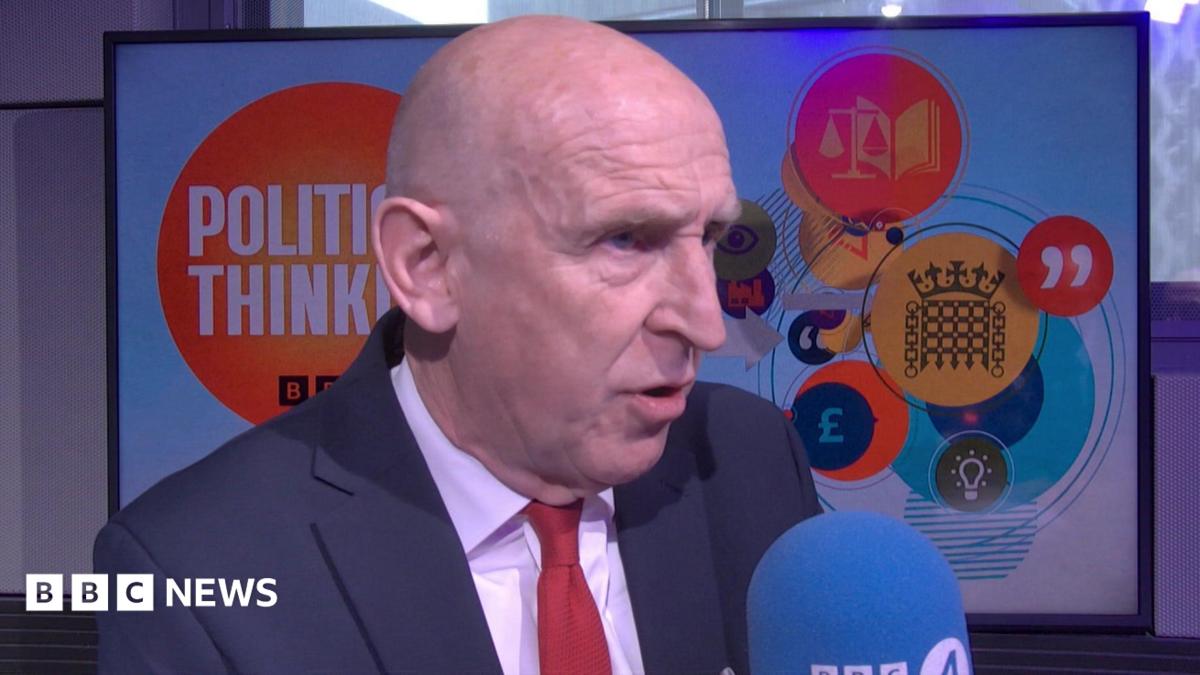
Former defence secretary John Healey has publicly criticised the Treasury for its reluctance to view defence expenditure as a catalyst for economic growth. Healey, who resigned from his cabinet position amid disagreements over a long-delayed military spending plan, identified this fiscal stance as a critical factor that ultimately undermined Sir Keir Starmer’s leadership.
Last week, the government released an updated Defence Investment Plan (DIP), which proposed a modest increase to £15 billion. However, it relies on securing an additional £4.7 billion in the next budget to fulfill its commitments. Speaking on Nick Robinson’s Political Thinking podcast, Healey accused the Treasury of resisting higher defence budgets and claimed it remains dismissive of the UK’s NATO obligations. The UK, along with other NATO allies, agreed at the June 2025 summit in The Hague to dedicate 5% of GDP to defence and security by 2035, with 3.5% specifically allocated to core defence meeting NATO standards.
The original version of the DIP planned for core defence spending to reach 2.68% of GDP by 2030, a target Healey found insufficient, having advocated for a 3% commitment within the same timeframe. Although the updated plan adds a slight 0.02% boost, it still projects a 2.7% spend by 2030—falling short of his recommended level. Addressing whether this was due to a lack of political drive or Treasury obstruction, Healey remarked, “The Treasury said no in the end.” He described the Treasury as embodying a paradox: staffed by highly capable officials but shackled by an inflexible orthodoxy that hampers progressive government action.
Healey, who previously served as a Treasury minister under former Prime Minister Gordon Brown, sees defence not merely as a cost but as a potential growth driver, particularly through technological innovation and industrial revitalisation. He argued that the Treasury remains “in denial about the commitment that the UK has rightly made to Nato and to our people,” noting that it has been planning for a delayed 3% target by 2034-35 rather than achieving it sooner. “The Treasury still often sees defence as a drain on public spending and not the driver of economic growth that we’ve demonstrated in two years,” he added.
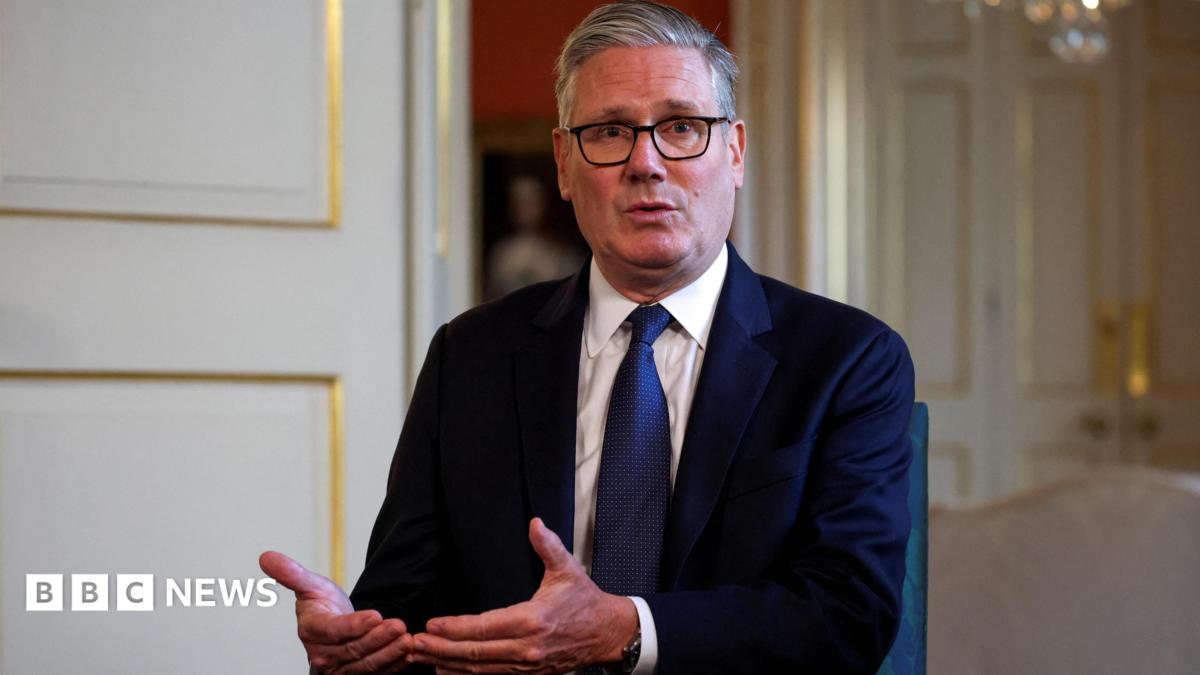
Prime Minister Sir Keir Starmer has highlighted government commitments of £270 billion in defence spending over this parliamentary term, describing it as “the biggest sustained increase in defence spending since the 1980s.” He further noted that the DIP adds an extra £15 billion. However, Conservative leader Kemi Badenoch has criticised the plan for an apparent £5 billion funding gap, alleging that Starmer’s administration is leaving unresolved issues for his successor, expected to be Andy Burnham. Healey admitted surprise at the inclusion of these unfunded pledges but expressed confidence that defence investment aligns well with Burnham’s focus on reindustrialisation. He stated, “I welcome the fact that he’s committed to fully funding that,” and praised Burnham’s dedication to national security based on their previous experience together in Gordon Brown’s cabinet.
Sir Keir is set to attend the NATO summit on Tuesday, marking one of his final international engagements as prime minister. This follows calls from US Defence Secretary Pete Hegseth urging all NATO members to present credible plans for hitting the 3.5% defence spending target. Healey pointed out that by 2030, more than half of NATO countries are expected to reach or exceed 3% of GDP on defence, making it vital for the UK to outline a credible path to maintain its leadership role—especially as the Labour government helped reassert the UK’s position. He stressed: “It’s important to Nato, it’s important to Britain that we… demonstrate the sort of leadership that’s required from within the European Nato as the US starts to scale back its contribution. Anything that puts that at risk will, in the long run, count against us.”
Read the full article from The BBC here: Read More
Auto Amazon Links: No products found.