Auto Amazon Links: No products found.
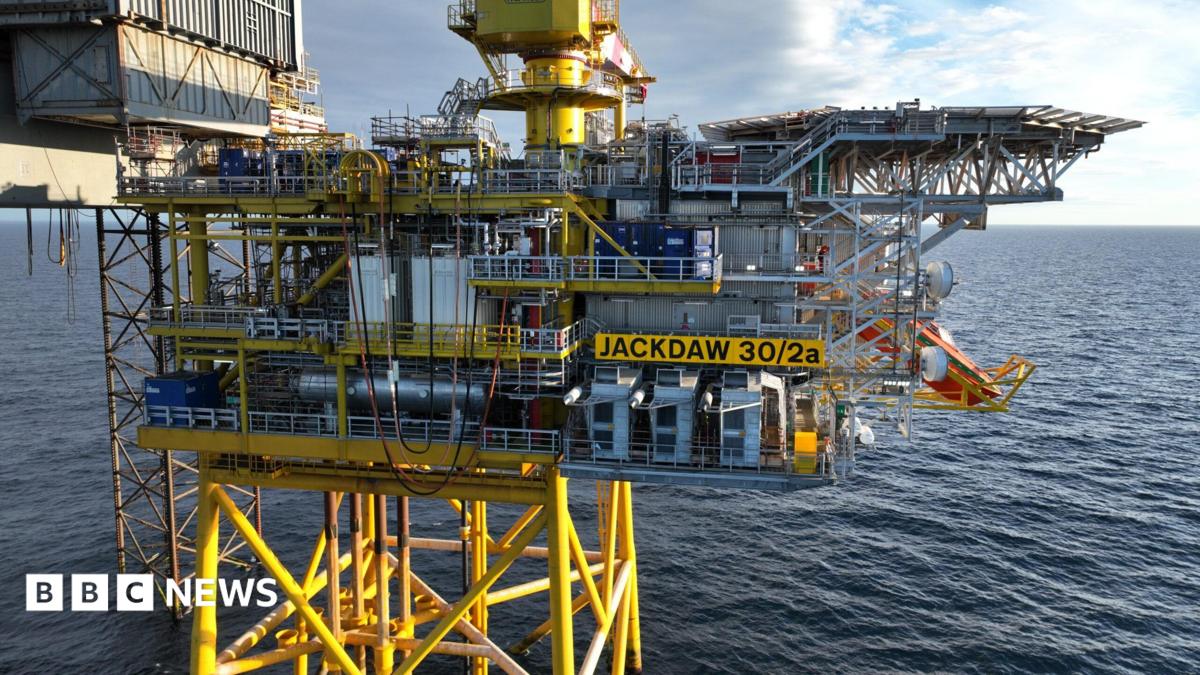
Adura is a collaborative enterprise between the British energy corporation Shell and the Norwegian company Equinor. In its extensive 159-page report, the joint venture highlighted the environmental benefits of sourcing gas from the Jackdaw field rather than relying on imported liquefied natural gas (LNG) from the United States. According to their calculations, this shift would reduce carbon dioxide equivalent emissions by approximately four million tonnes.
The submission further explained that domestic gas production could lead to about 20% fewer emissions compared to importing LNG. This reduction is mainly attributed to cutting out the energy-intensive processes involved in liquefying, transporting, and regasifying the gas. These stages considerably add to the overall emissions footprint when relying on imports.
The document also emphasized that the climate impact of using gas from the Jackdaw field would be relatively small. This is because the UK’s domestic energy industry is tightly regulated and operates under stringent targets and commitments consistent with the Paris Agreement. The agreement is an international, legally binding effort to cap global temperature rise between 1.5 and 2 degrees Celsius.
However, last year the Court of Session in Edinburgh ruled that the approvals for both Jackdaw and Rosebank projects were unlawful. The ruling came after the government failed to adequately consider the climate consequences of burning the oil and gas extracted from these fields. The case was initiated by the environmental organizations Uplift and Greenpeace. In his ruling, Lord Ericht mandated that a more comprehensive climate assessment must be conducted, and fresh governmental approval obtained before production can commence
Read the full article from The BBC here: Read More
Auto Amazon Links: No products found.