Auto Amazon Links: No products found.
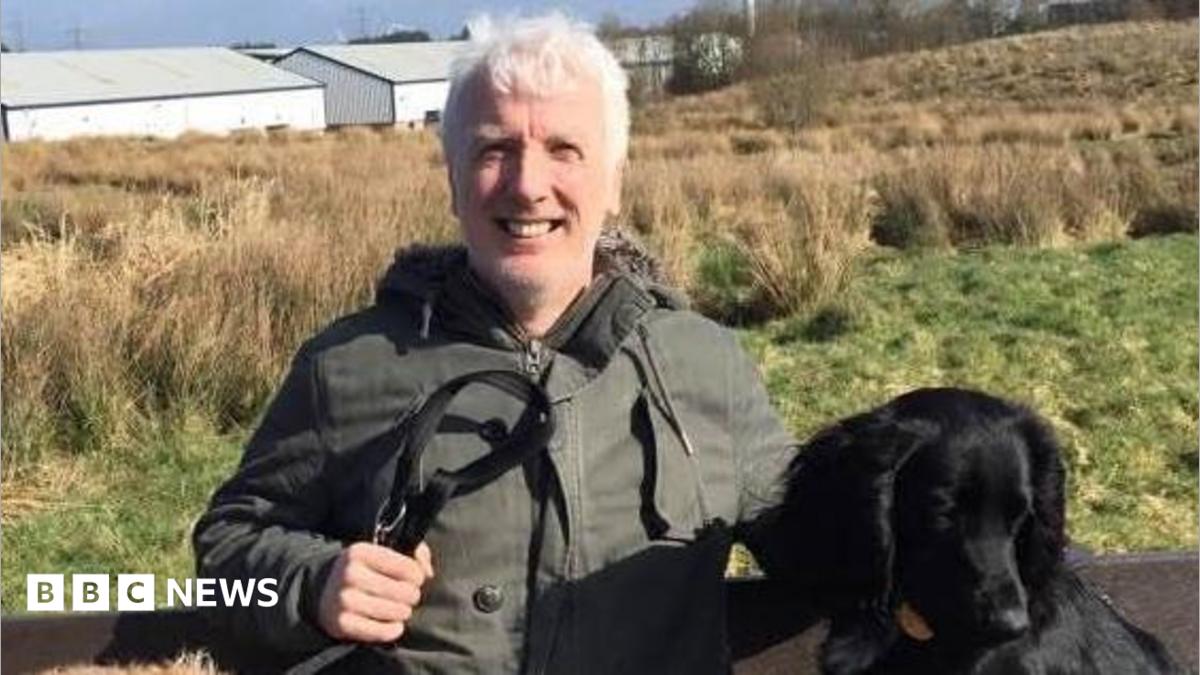
Brian Hurton, a 55-year-old man from East Kilbride, tragically passed away in November after calling emergency services twice and being told no ambulance would be dispatched. On November 18th, Brian experienced an aortic dissection, a serious condition involving a tear in the body’s main artery. His first call to 999 was made at 17:55, during which he reported difficulty breathing and feeling on the verge of collapse. Call handlers informed him that a clinician would return his call and advised him to dial again if his condition worsened.
Approximately ten minutes later, Brian rang 999 a second time, telling the operator that he was “losing breath.” Again, he was told that a clinician would call back rather than an ambulance being sent immediately. According to a transcript reviewed by BBC Scotland News, the call handler explained: “We are quite busy in the area at the moment Brian, so based on the information provided instead of an ambulance response initially one of our clinicians is (going to) call you back.” Over an hour later, a clinician returned Brian’s call but received no response. Two more attempts to contact him also went unanswered. The ambulance was finally dispatched at 21:12 and arrived at 21:19—nearly three and a half hours after Brian’s first emergency call. Paramedics found Brian deceased on his bathroom floor, with his front door left ajar.
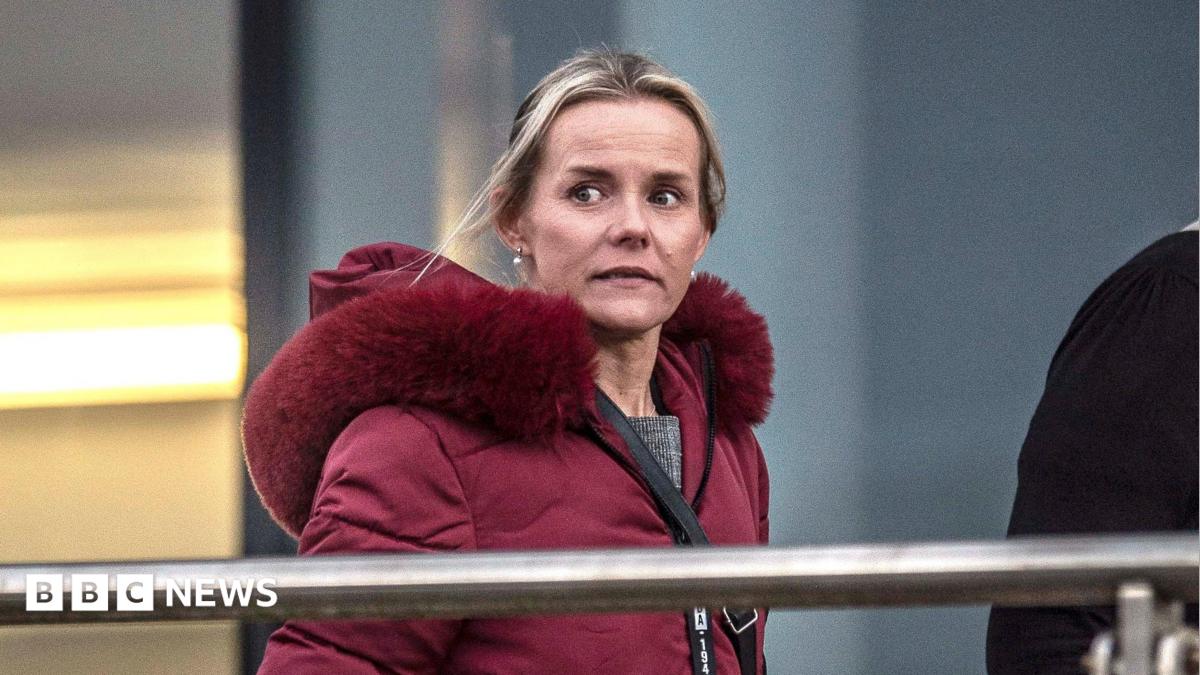
Allison Duncan, Brian’s twin sister, was notified of his death by another brother and rushed to his home, where they found Brian’s body. She learned from police that Brian had called 999 twice seeking help before dying alone. Allison described listening back to the emergency calls as “harrowing” and expressed shock that no ambulance was sent immediately. She also criticized the call handlers for not suggesting that someone be sent to stay with Brian during his distress. According to her, Brian’s twin brother could have reached him within seconds, potentially providing comfort or assistance. Reflecting on Brian’s final moments, Allison said he was left struggling for breath and pleading for help, terrified and isolated.
A review conducted by Healthcare Improvement Scotland into Brian’s death identified several concerns. It found that his initial 999 call should have been classified with a higher priority, which might have led to a faster ambulance response, although it remained unclear if this would have altered the outcome. The review also noted that clinical review response times were longer than expected and that delays at hospitals hindered ambulance availability. Additionally, it recommended developing clearer guidance for vulnerable individuals who are alone and at risk of deterioration. Interestingly, the demand on the 999 system was reported to be lower than anticipated at the time of Brian’s emergency calls.
In response to the incident, the Scottish Ambulance Service (SAS) carried out a full Significant Adverse Event Review and maintained contact with Brian’s family throughout the investigation. A spokesperson expressed condolences and emphasized their commitment to learning and implementing improvements based on the review’s findings. Scottish Health Secretary Angela Constance acknowledged the failure in call handling, expressing sympathy for the family and welcoming SAS’s acceptance of the report. Constance stated she would meet with the ambulance service to ensure necessary steps are taken to improve emergency call responses. She also highlighted ongoing pressures in accident and emergency departments and underlined that it is unacceptable for patients to experience excessive waits for care. The Scottish government plans to introduce a new national hospital flow strategy aimed at coordinating ambulance services and health boards to reduce wait times, minimize unnecessary hospital visits, and alleviate strain on A&E departments
Read the full article from The BBC here: Read More
Auto Amazon Links: No products found.