Auto Amazon Links: No products found.
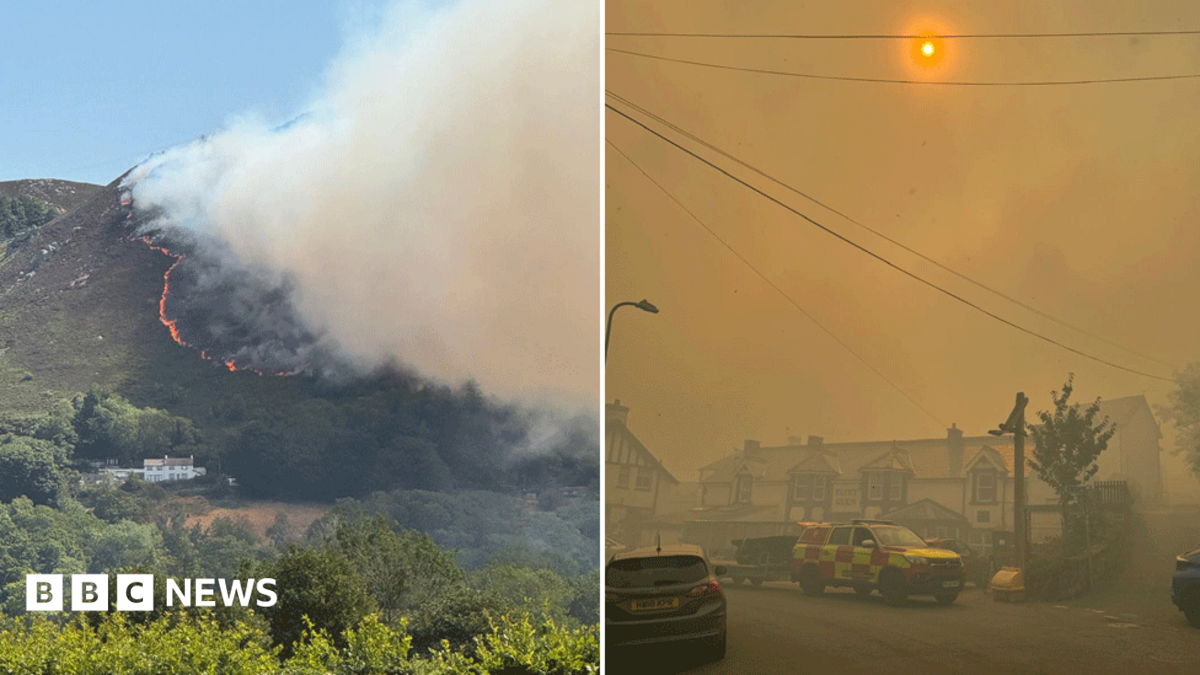
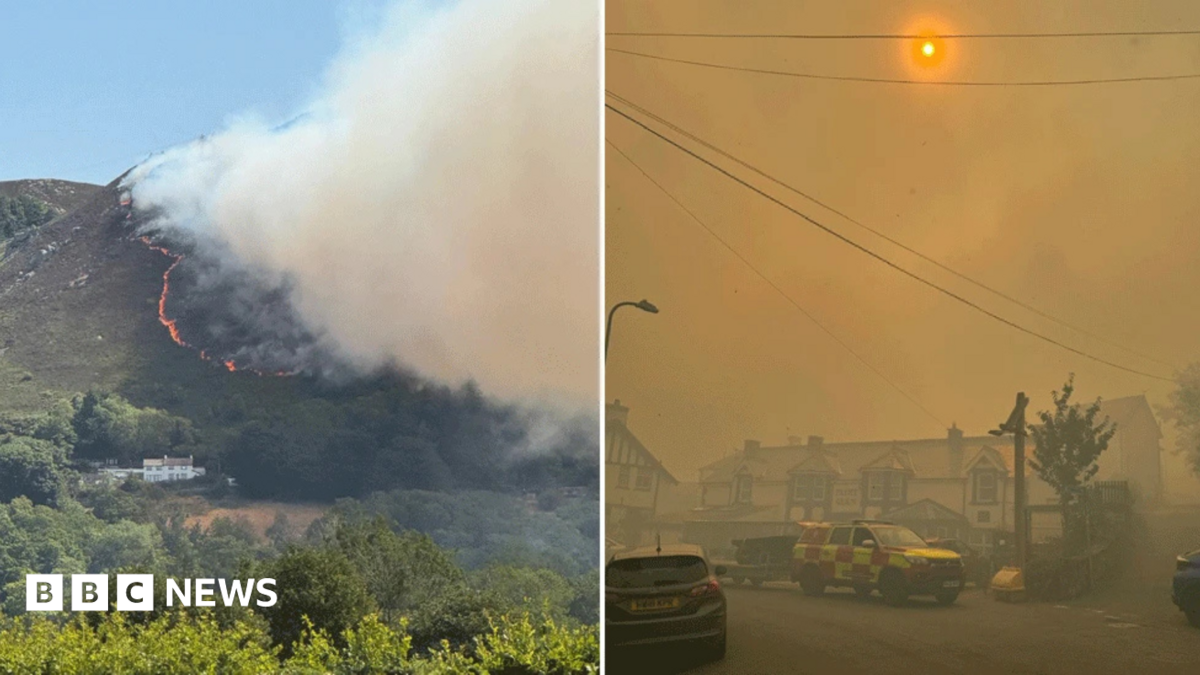
Emergency services have declared a major incident in north Wales due to a large wildfire as firefighters continue to battle multiple fires across England and Wales during an unprecedented heatwave. Evacuations have been carried out for residents near Conwy Mountain and Sychnant Pass, with authorities urging the public to avoid the affected areas.
In other locations, crews are responding to ongoing wildfires as well. Firefighters in Greater Manchester are working to contain a moorland blaze close to Dovestone Reservoir, while in Camberley, Hampshire, efforts are underway to extinguish a significant heathland fire. Over the weekend, wildfires also occurred in County Durham, Derbyshire, East Sussex, West Sussex, Devon, and Somerset during warnings of an exceptional fire risk across parts of the country.
The North Wales Fire and Rescue Service reported on Sunday afternoon that conditions remain challenging as they attempt to control the blaze on Conwy Mountain, with operations expected to continue for an extended period. Residents in nearby Capelulo were advised by the local town council to evacuate promptly and follow emergency service instructions. In surrounding communities, people have been told to keep their windows and doors closed and seek medical help if they experience breathing issues. The fire service also mentioned responding to various other grass fires, including one in Braichmelyn Forest near Bethesda.
Authorities have highlighted that southern England and parts of the Midlands face the highest wildfire risk in the upcoming days, with many other regions across England and Wales at very high risk. The UK is anticipated to experience a second week of temperatures exceeding heatwave thresholds, prompting amber and yellow heat health alerts from Sunday night through to Wednesday night. The Greater Manchester Fire and Rescue Service warned of smoke from the moorland fire potentially spreading over long distances due to high winds, advising residents nearby to remain indoors and avoid the area.
Elsewhere, firefighters continue their work to monitor and control the large heathland fire near Blackwater in Camberley, which began Saturday afternoon and has affected roughly 10 hectares (25 acres) of heathland near the Surrey border. In County Durham, a wildfire roughly the size of 14 football pitches burned fields near Durham University before being extinguished within about an hour on Sunday afternoon. West Sussex Fire & Rescue Service deployed multiple vehicles to respond to a fire in Nutbourne, Chichester.
The fire services have been engaged in tackling a number of wildfires across the country throughout the weekend, including ongoing efforts in Derbyshire. Derbyshire firefighters returned to blazes near Arnfield Farm and Tintwistle Moor on Saturday, with additional water drops provided by helicopter on hot spots. This fire, which began on June 24 during a previous heatwave, has damaged approximately 260 hectares (642 acres) of moorland and woodland. Other crews in Devon and Somerset managed at least four grassland fires on Saturday, while fires in East Sussex and West Sussex were addressed overnight Friday in the South Downs National Park, at Devil’s Dyke and near Eastbourne.
The repeated record-breaking heatwaves combined with a prolonged dry spell have led to heightened wildfire risks across England and Wales. The hot, dry weather, strong winds, and low humidity are expected to further dry out vegetation, increasing the likelihood and potential severity of fires. Strong winds could also cause fires to spread more rapidly and become more difficult to control. The fire risk is predicted to decrease somewhat midweek as winds lessen and chances of showers rise.
Meanwhile, the UK Health Security Agency has issued heat health alerts from 9:00 BST Sunday to 21:00 Wednesday, indicating significant impacts on health and social care services due to the extreme temperatures. Vulnerable populations, especially individuals over 65 or those with pre-existing health conditions, face heightened risks, including increased mortality rates. The pattern of intensifying heatwaves and severe wildfires is attributed to the effects of climate change, which is driving up global temperatures and leading to more frequent and intense summer heat events
Read the full article from The BBC here: Read More
Auto Amazon Links: No products found.