Auto Amazon Links: No products found.
Starting from April, it will become illegal in England for children under 16 to purchase energy drinks with high caffeine content, the government has announced. This new regulation targets beverages containing more than 150mg of caffeine per litre, prohibiting their sale to minors in a variety of settings including shops, cafes, restaurants, vending machines, and online platforms.
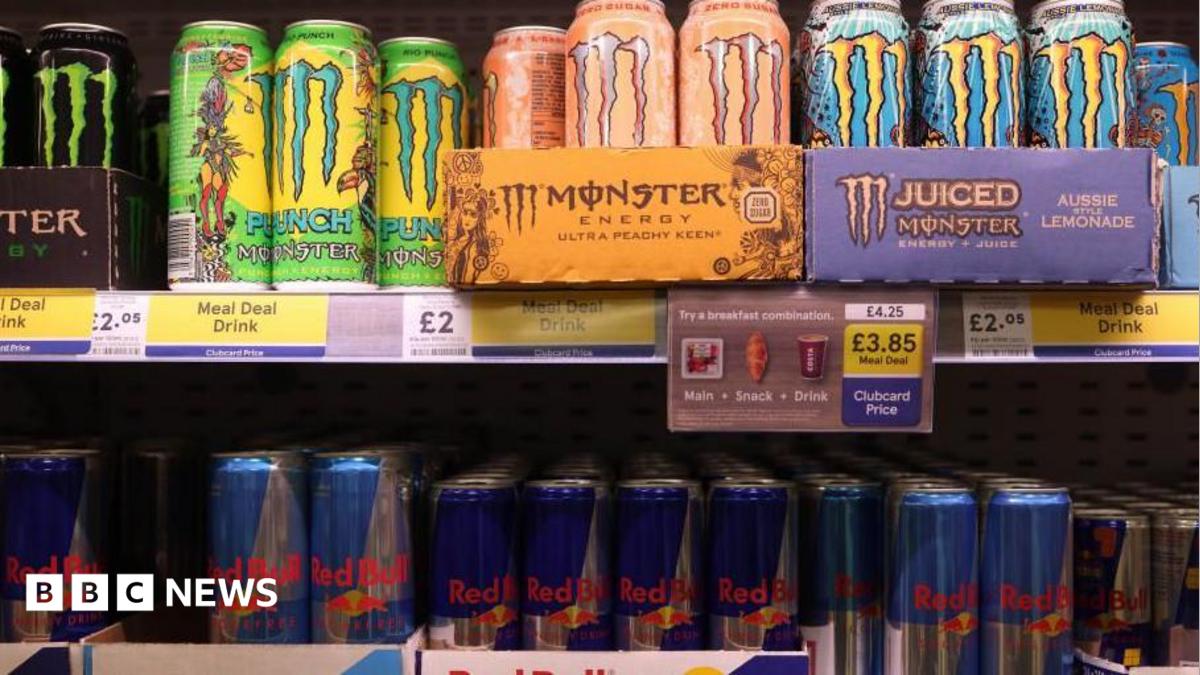
While popular energy drinks such as Red Bull, Monster, Relentless, and Prime will fall under this restriction due to their caffeine levels, lower-caffeine soft drinks like Diet Coke remain unaffected, as do traditional tea and coffee. The government’s main goals with this policy are to tackle childhood obesity and mitigate caffeine-related issues like disturbed sleep patterns, heightened anxiety, difficulty concentrating, and consequent poor academic performance.
Public Health Minister Sharon Hodgson emphasized the government’s determination in rolling out this ban, stating that it “demonstrates our firm commitment to creating the healthiest generation of children ever.” If approved by Parliament, local authorities will be responsible for enforcing the rules, which come with penalties for non-compliance amounting to fines up to £2,500. It is estimated that 100,000 children in England consume energy drinks daily, and such consumption has been shown to negatively affect concentration in school.
The ban follows a public consultation that garnered around 1,100 responses, showing strong support for introducing an age restriction. The measures will be implemented through secondary legislation under the Food Safety Act 1990. Excessive caffeine intake has been linked to serious health issues including rapid heart rate, abnormal heart rhythms, and seizures, and in rare cases, deaths related to caffeine overdose have been reported. Additionally, the sugar content of many energy drinks contributes to obesity and dental problems. Currently, products containing over 150mg of caffeine must carry a warning label advising that they are not recommended for children, pregnant, or breastfeeding women. For adults, consuming up to 400mg of caffeine daily is generally considered safe.
Responses to the announcement have been mixed. Katharine Jenner, Executive Director of the Obesity Health Alliance, expressed strong support, describing the ban as “just common-sense” and emphasizing the importance of protecting children during their formative years. Conversely, the British Soft Drinks Association criticized the move as “unnecessary,” highlighting voluntary industry commitments since 2010 not to market energy drinks to those under 16, along with warning labels on high-caffeine beverages. Notably, a previous Conservative government had intended to enforce a similar ban but withdrew the plan in 2022, advocating for personal choice instead. Meanwhile, other parts of the UK—including Northern Ireland, Scotland, and Wales—are also contemplating comparable restrictions
Read the full article from The BBC here: Read More
Auto Amazon Links: No products found.