Auto Amazon Links: No products found.
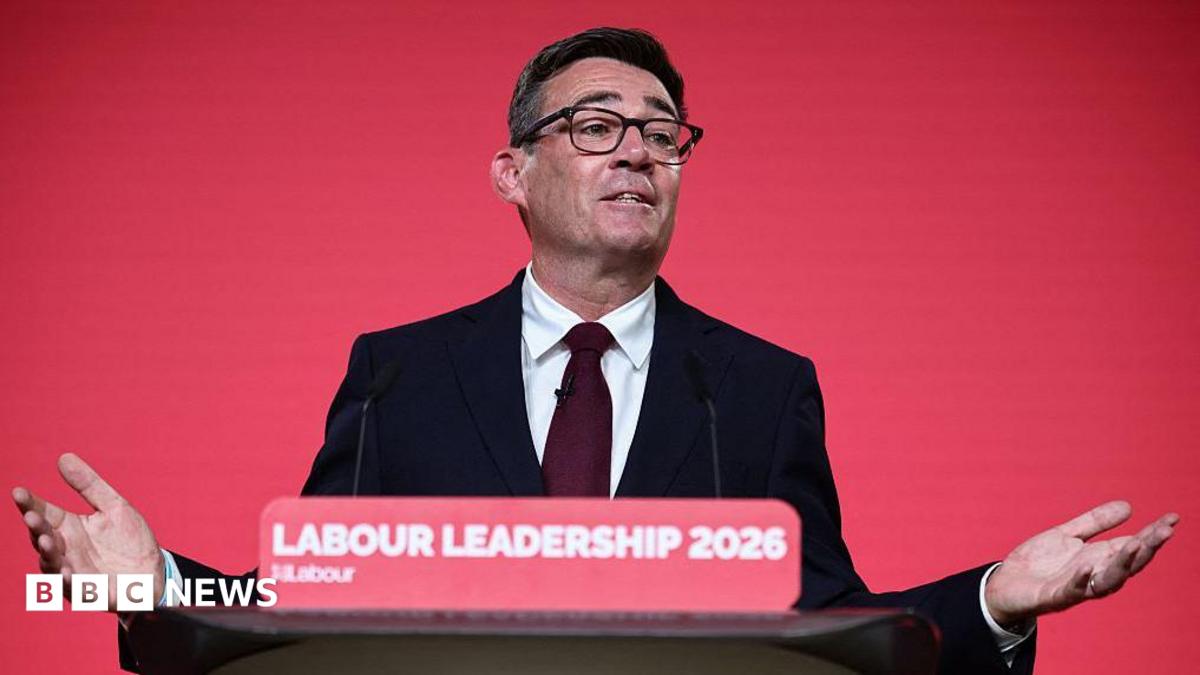
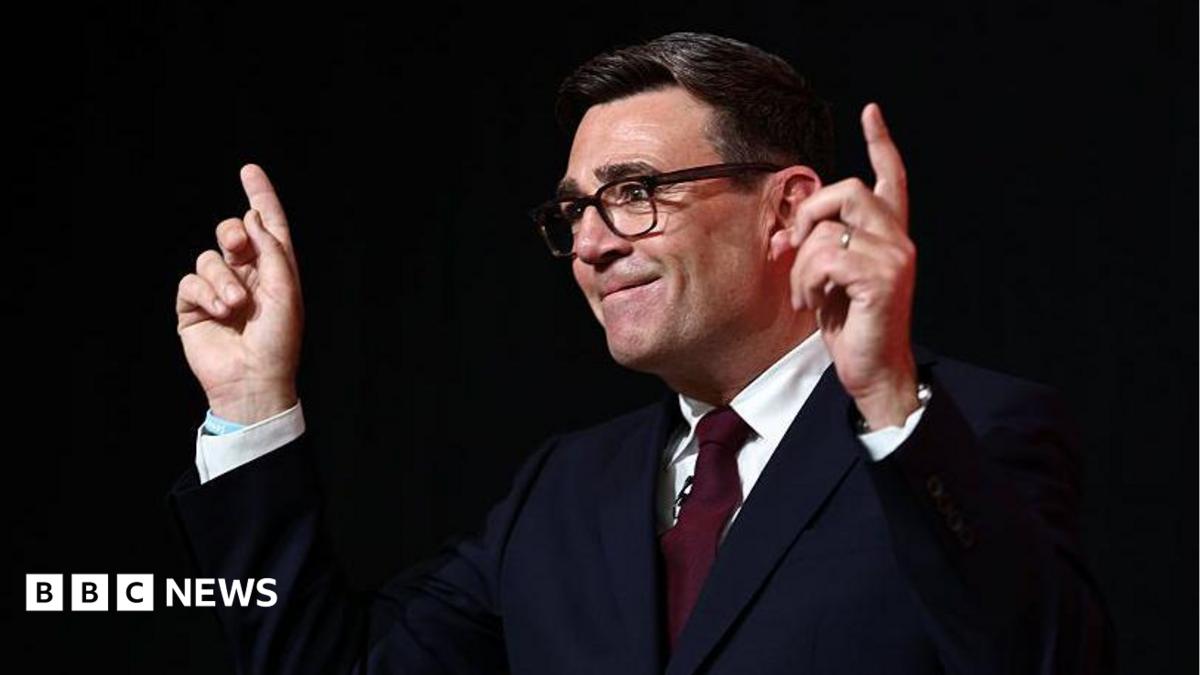
Andy Burnham, as he prepared to step into a moment he has aspired to for over 16 years, expressed a sense of confidence, telling reporters he was feeling “good… ready.” Given the recent developments within the Labour Party, it is easy to see why he might be optimistic. Over an intense four-week period, Burnham emerged as the consensus candidate, seen by every faction within the parliamentary Labour Party as the one capable of reversing their recent electoral misfortunes.
However, while many herald him as prepared, some of his closest allies remain cautiously uncertain about what “ready” truly means. Ready for what exactly? The answer, naturally, is the leadership of both the Labour Party and the country. Yet, Burnham’s vision extends well beyond the traditional goals of political success and election victories. At this Labour event, he spoke passionately about transforming the party itself—specifically aiming to eradicate factionalism, a challenge many have tried and failed to overcome before. Critics have often argued that such efforts can lead to unity without a shared purpose, but Burnham is determined to pursue deeper, substantive cohesion.
Beyond internal party issues, Burnham’s ambitions include reshaping the nation’s political and economic direction. He highlighted what he perceives as a critical misstep in British policy during the 1980s, pointing to “four decades of neoliberalism” that have inflicted harm on working-class communities in various urban, rural, and coastal regions. His pledge to reverse this trend, he claimed, would represent “the most significant change moment in our politics for 40 years.” This critique indirectly challenges not only the Thatcher era but also the compromises made by subsequent New Labour governments. Proposing such a drastic shift so early in his tenure sets a high bar for Burnham’s premiership, which was about to begin just days after this speech.
Regarding the practicalities of implementing this economic transformation, Burnham has already offered some insight. During the leadership contest, he delivered a major speech revealing plans to decentralize power, including relocating part of No 10 Downing Street to Manchester—a move symbolized by the emerging concept of “No 10 North.” Details about how this office will operate alongside the Treasury remain forthcoming. Notably, Burnham indicated he had not finalized who would fill the top positions in his administration, including the chancellor role. This hesitation could be seen by some Labour MPs as a sign of uncertainty, particularly since the frontrunners—widely thought to be Ed Miliband and Shabana Mahmood—represent divergent economic approaches, each with their respective supporters and critics.
Burnham’s reluctance to announce his chancellor choice may reflect a broader intention: that he himself will steer economic policy directly from 10 Downing Street, consistent with the traditional title engraving “First Lord of the Treasury.” He also criticized the speculative media culture surrounding leadership appointments, considering it emblematic of the political environment he aspires to reform. More ambitiously, Burnham called for a political consensus that bridges party divides and cleanses Britain’s political discourse of its current toxicity. Achieving this, he suggested, could make the instability of the past decade feel less unavoidable. This statement underlines how Burnham envisions his role—not merely as another post-Brexit prime minister, but as a transformational figure. Whether he can fulfill these ambitions will become clearer when he delivers his speech outside No 10 on Monday, the moment when his government’s plans and resolve will face their first true test
Read the full article from The BBC here: Read More
Auto Amazon Links: No products found.