Auto Amazon Links: No products found.
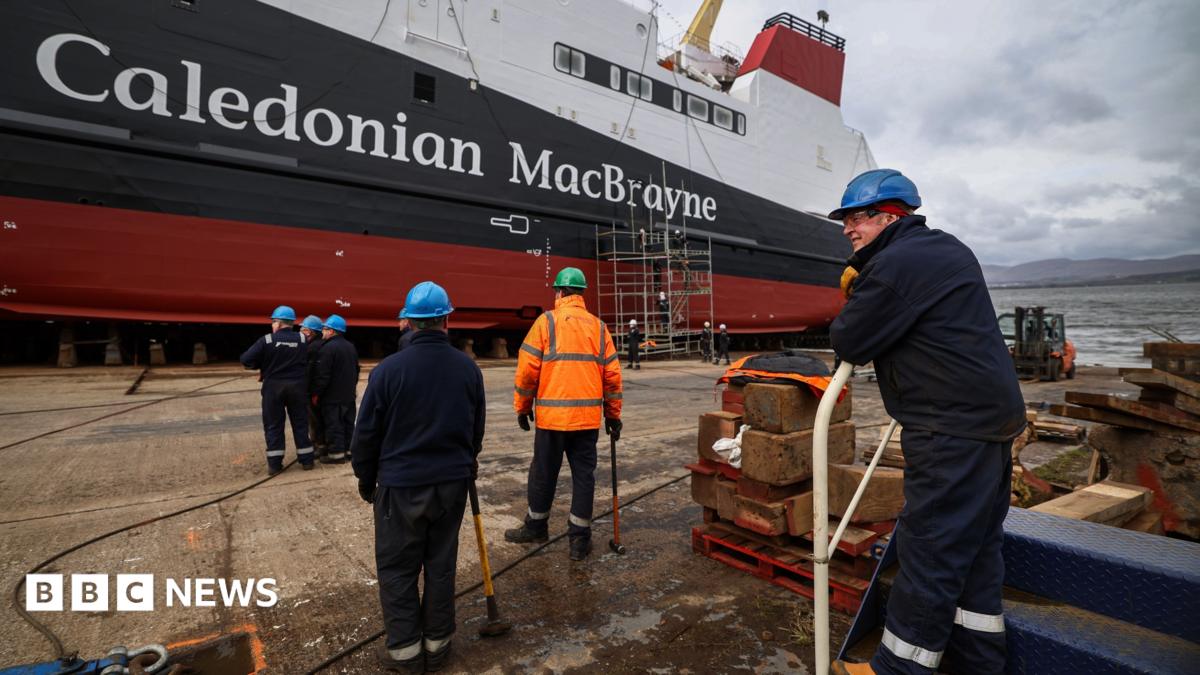
Scotland’s state-owned Ferguson Marine shipyard is preparing to reduce its workforce by nearly 25% as it awaits confirmation of new orders. Located in Port Glasgow, the shipyard currently employs 283 people, including 34 apprentices. As construction wraps up on the second of two delayed CalMac ferries, workers have been invited to apply for voluntary redundancy, with around 70 positions expected to be cut. Those who opt to leave will reportedly receive a redundancy package consisting of a statutory entitlement plus an additional £10,000. Despite assurances from the Scottish government to award contracts for four smaller vessels directly to Ferguson Marine, ministers have indicated that they are still carrying out due diligence on these plans.
Ferguson Marine, the last commercial shipyard remaining on the Clyde, was nationalised in 2019 following protracted disputes between the previous owner and Caledonian Maritime Assets Ltd (CMAL), the government agency overseeing ferry operations. The shipyard recently completed work on two dual-fuel ferries for CalMac: MV Glen Sannox, which was delivered in November 2024, and the MV Glen Rosa, expected for completion later this year. In addition to these ferries, the yard has also done subcontracting work for BAE Systems on Type 26 frigates but currently stands without any confirmed future orders. Graeme Thomson, CEO of Ferguson Marine, stressed that while the yard’s immediate focus is on completing Glen Rosa, the impending gap in workload means the company must take measures to safeguard its long-term sustainability.
The Scottish government had announced plans earlier in the year to directly award Ferguson Marine contracts for four new vessels: two small CalMac ferries, a fisheries research ship, and a marine protection vessel. These orders were intended to act as a “bridge to the future” for the yard. Kate Forbes, the Economy Secretary at the time, highlighted that preparatory legal work had been done, but the government still needed approval from the Competition and Markets Authority. Since then, no contracts have been officially confirmed, with ministers emphasizing ongoing due diligence. Stephen Flynn, Economy, Tourism and Transport Secretary, described the redundancy scheme as a necessary step to modernize the shipyard and ensure its competitiveness. He reassured that workforce reductions would not interfere with Glen Rosa’s completion and maintained the government’s commitment to the future vessel orders.
Despite the optimistic plans, Ferguson Marine faces significant challenges. The yard’s reputation has taken a hit due to the prolonged delays and budget overruns associated with its recent ferries. While the workforce is widely considered blameless, these issues may have caused potential clients to hesitate in placing new orders. Compounding this are broader competitive pressures, with international yards in Eastern Europe and the Far East able to undercut UK shipbuilders by 10-20%, benefiting from lower labor costs and stronger state subsidies. An example of these difficulties occurred two years ago when Ferguson’s lost a contract to build seven small CalMac ships to a Polish company that offered a cheaper bid, despite Ferguson’s high-quality proposal. The company has continually advocated for the inclusion of “social value” in tender evaluations, emphasizing the local economic benefits of building ships in Scotland, but licensing rules pre-Brexit procurement are cited as limiting this possibility
Read the full article from The BBC here: Read More
Auto Amazon Links: No products found.