Auto Amazon Links: No products found.
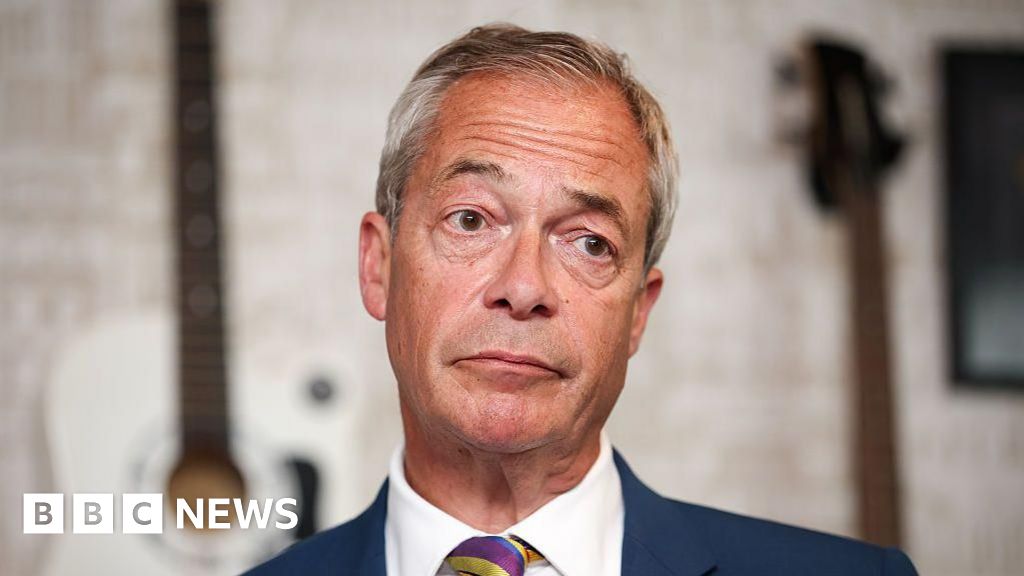
Reform UK leader Nigel Farage has called on the social media platform X to intervene regarding a series of fabricated advertisements generated by artificial intelligence that falsely portray him in violent encounters with Bank of England governor Andrew Bailey. These misleading ads, which resemble a BBC Question Time setting, have been frequently displayed to users within the UK in recent days.
Farage revealed to reporters on Tuesday that his party reached out to X at a senior level on Monday, expressing hope that the platform would swiftly remove the ads. The BBC has sought a response from X concerning the issue. Simultaneously, the Bank of England has also urged users to report any sightings of these fake adverts to help curb their circulation. Governor Bailey described the emergence of such counterfeit adverts as increasingly common and warned that they are intended to exploit vulnerable individuals online.
In the ads, both men are depicted in aggressive or confrontational situations, with some videos showing Farage physically attacking Bailey on what looks like the Question Time set, including digitally added injuries. Addressing the matter on X, Farage acknowledged their political disagreements but made clear he would never engage in such behavior. During a visit to Grangemouth, he admitted uncertainty about whether to find the ads humorous or upsetting but stressed the realistic quality of these AI creations complicates public perception.
Further investigation by the BBC highlighted that many of the ads originated from verified X accounts linked to the platform’s Premium subscription. Former owner Elon Musk had previously suggested changes to the verification process as a solution to control AI-driven bot activity. The misleading posts often featured a fake “play” button, creating the illusion of clickable videos, but hovered links revealed they redirected users to websites promoting AI-based cryptocurrency trading schemes. The Bank of England clarified that it does not endorse any products or investments and advised anyone encountering such content to avoid interaction and report it both on the platform and to official fraud reporting services
Read the full article from The BBC here: Read More
Auto Amazon Links: No products found.