Auto Amazon Links: No products found.
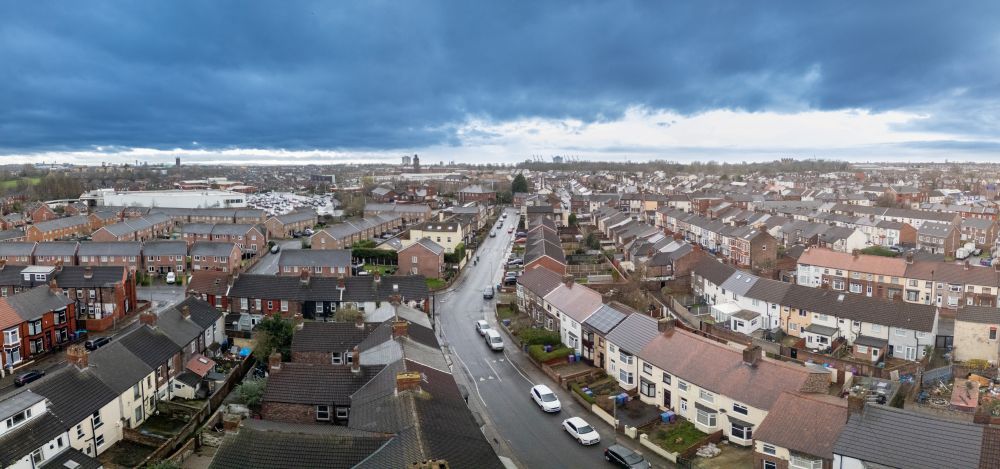
Earlier this year, the Climate Change Committee (CCC), an independent advisory body on climate action in the UK, released a report highlighting that by 2050, approximately 92% of existing homes in the country could face the risk of overheating. This projection underscores the growing challenge posed by increasingly extreme temperatures as part of broader climate change impacts.
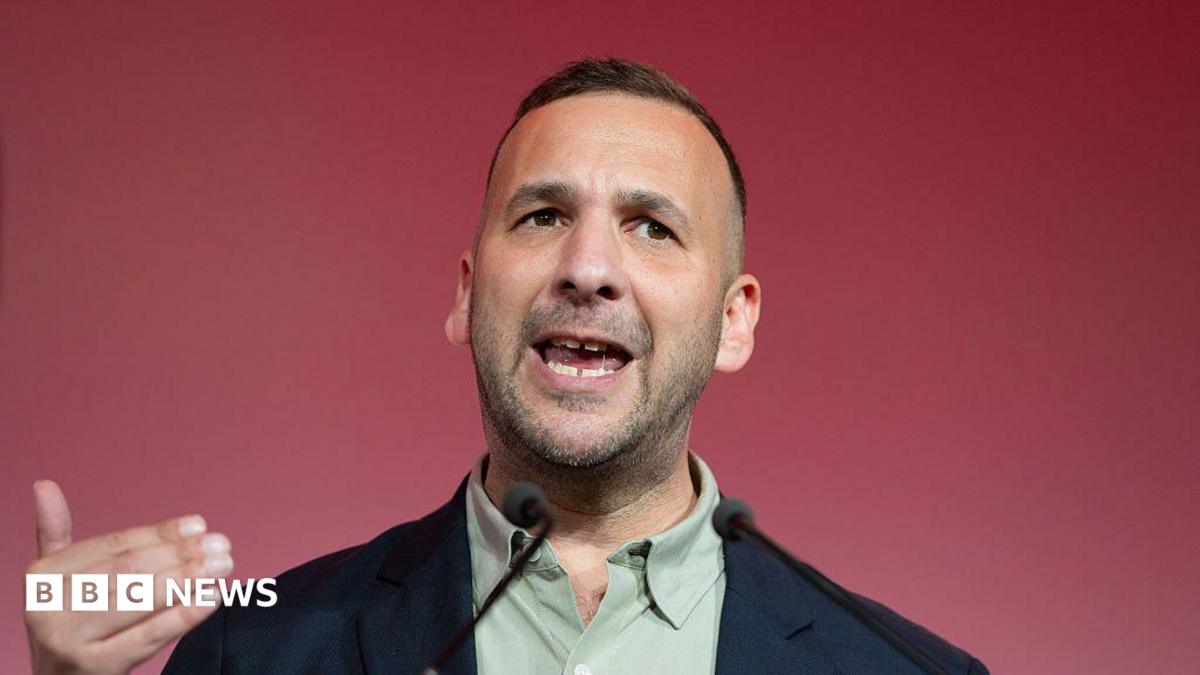
In an interview on BBC Radio 5 Live with Matt Chorley, Liberal Democrat MP Ed Farron emphasized the need for housing to be adaptable to these changing conditions. He stated, “We want to make sure that we’re not being hysterical but we’re recognising that we have more extreme temperatures, more extreme weather. I want the homes that people live in in the future to be ready for that, that we be climate-ready and prepared.” The party believes that the additional costs to developers for implementing their proposed cooling measures would be minimal relative to the overall expense of constructing a house. Furthermore, they argued that homes equipped to manage heat effectively would likely appeal more to future buyers.
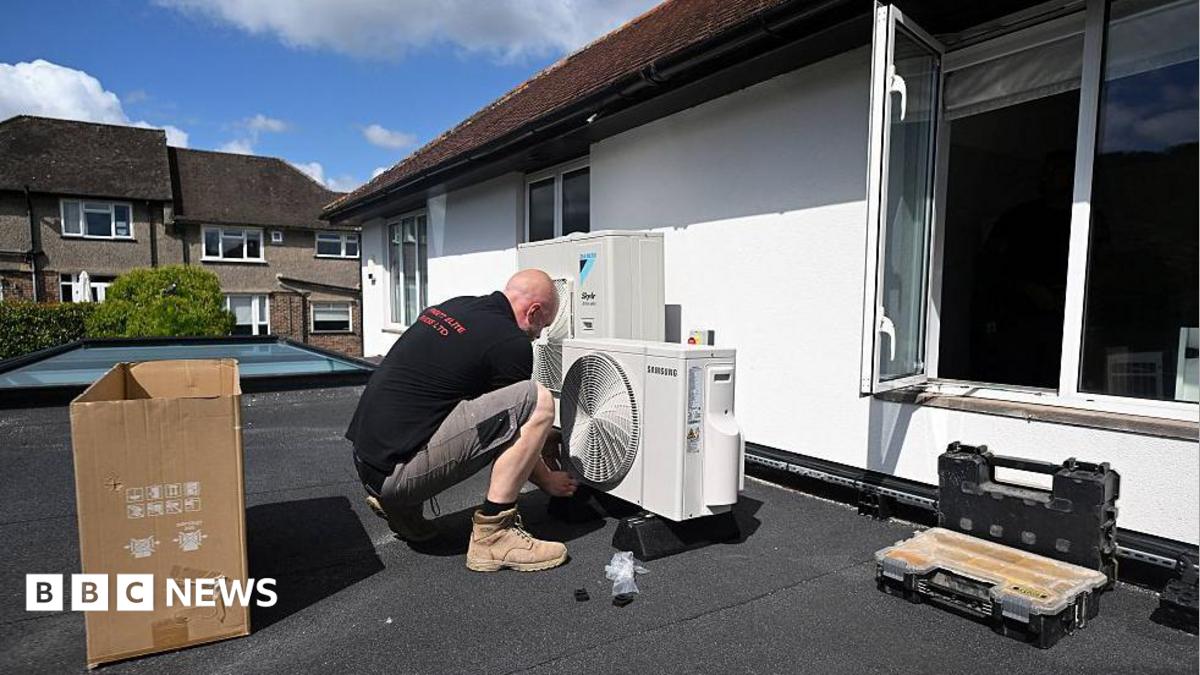
Farron also highlighted the importance of incorporating air cooling solutions that do not exacerbate climate change, suggesting air source heat pumps as a preferable technology. However, experts have raised concerns about the broader impact of conventional air conditioning systems. Michael Whittall, sustainability manager at Fairview New Homes, explained that air conditioning works by transferring heat from indoors to the outside environment. “When this happens at scale, particularly in dense urban areas, it can contribute to the urban heat island effect – adding to higher outdoor temperatures and increasing heat stress in cities,” he said. Whittall advocated for a focus on “passive cooling” strategies like improved building design, shading, and enhanced ventilation.
Amanda Williams, head of environmental sustainability at the Chartered Institute of Building, acknowledged the usefulness of air conditioning or reversible heat pumps in certain scenarios but cautioned against making them the default solution. She warned that doing so could “risk locking in higher energy consumption,” stressing that the primary goal should be to design homes that “remain comfortable for as much of the year as possible.” Meanwhile, a spokesperson from the Home Builders Federation pointed out that newly built homes are already required to have high levels of insulation, which helps maintain cooler indoor temperatures during summer and warmer conditions in winter, making them more comfortable and cost-effective to live in compared to older residences.
The Liberal Democrats have also called on the government to fund air conditioning installations in critical public buildings such as schools and hospitals. They emphasized that the financial burden of inaction far outweighs the costs of immediate intervention. Citing the CCC’s report, they noted that the economic damage from climate impacts could reach between £60 billion and £260 billion annually, whereas protecting people from these effects would cost between £7 billion and £22 billion per year. The party proposed covering the expenses of air conditioning for hospitals through its £10 billion NHS investment plan
Read the full article from The BBC here: Read More
Auto Amazon Links: No products found.