Auto Amazon Links: No products found.
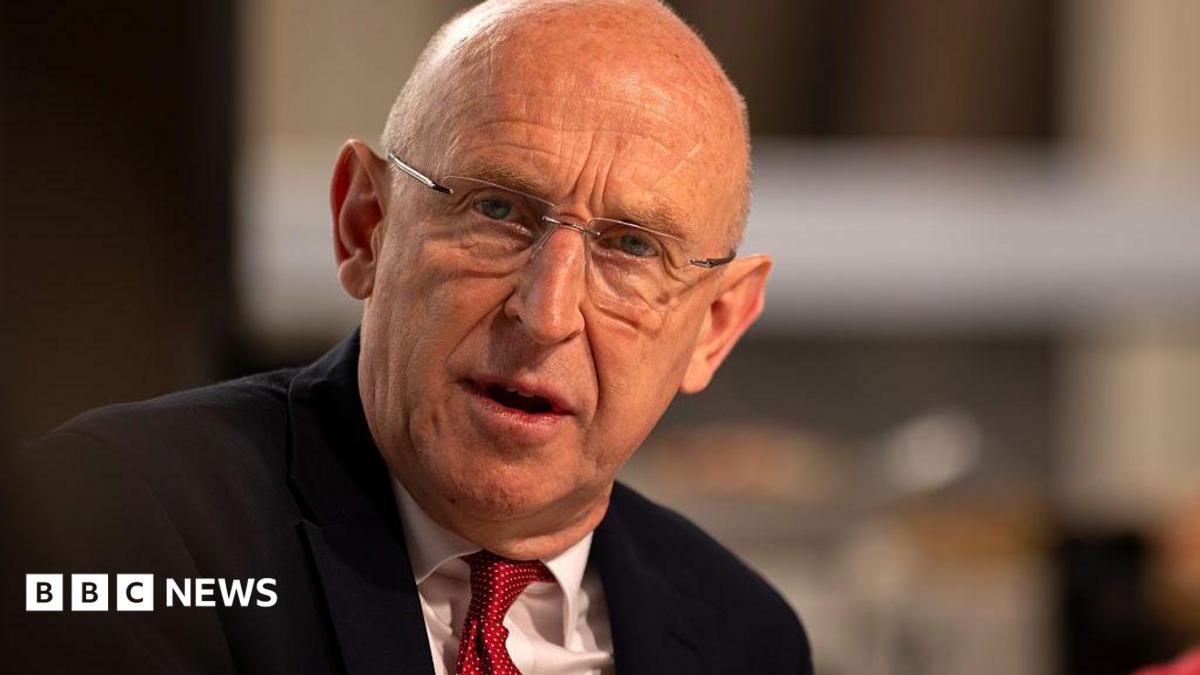
Chancellor John Healey has set the date for his inaugural Budget, scheduling it for Wednesday, 28 October. In a video statement, Healey emphasized that this Budget aims to decentralize power and financial resources, transferring control from Westminster to communities across Britain. He highlighted that the Budget will be grounded in fiscal discipline, comply with established fiscal rules, and provide stability for both businesses and families to help them plan confidently for the future. “Now, let’s get on with the job,” he added.
Prime Minister Andy Burnham has committed his government to adhere to Labour’s fiscal rules regarding spending and borrowing, as well as honoring the party’s 2024 manifesto promises not to raise income tax, VAT, or national insurance rates. Burnham also pledged to uphold the fiscal guidelines left by Healey’s predecessor, Rachel Reeves, which include balancing day-to-day government spending with tax revenues by the end of the decade. However, an influential think tank recently noted that Burnham faces a very narrow margin for error in achieving these aims, suggesting Healey may need to consider spending cuts or tax increases to fulfill priorities such as enhanced defense expenditure and improved social care.
During his tenure as Defence Secretary under Keir Starmer, Healey resigned following a disagreement regarding defense budgets, asserting his belief that the UK should increase defense spending to 3% of GDP by 2030. When asked about financing this goal, Burnham’s current Defence Secretary, Wes Streeting, withheld committing to the 3% target, stating, “Before we set out specific spending commitments, we will also set out how we pay for them at the same time.” The previous chancellor, Reeves, had left a £22 billion fiscal buffer in her last budget, though ongoing inflationary pressures related to the Iran conflict may have diminished its value.
Since assuming office earlier this month, Burnham has introduced multiple new policies addressing the cost of living, including the removal of VAT from domestic electricity bills. In a move to devolve power further, he announced plans to give all mayors of English city regions a share of income tax revenue for the first time, aiming to shift authority away from London. Previously, Reeves had proposed allowing regional mayors to control certain tax revenues to address local needs. Labour’s 2024 manifesto also included commitments to grant local councils and mayors expanded powers in areas like housing and transport. While additional details are expected in the forthcoming Budget, the government has assured that income tax rates will not be directly altered by these reforms.
Commenting on the upcoming Budget, AJ Bell’s public policy director Tom Selby remarked that Healey “doesn’t have the luxury of pointing the finger of blame at the last administration.” Selby predicted that Healey might spend considerable time reinterpreting the “tough choices” narrative used by his predecessor. On the opposition side, Shadow Chancellor Sir Mel Stride criticized the Budget announcement, suggesting it means “89 more days of unfunded spending commitments and damaging tax speculation until we get some details.” He further warned that the public will have to wait “89 more days before they know how much their taxes are going to go up to fund Burnham’s spending addiction.
Read the full article from The BBC here: Read More
Auto Amazon Links: No products found.