Auto Amazon Links: No products found.
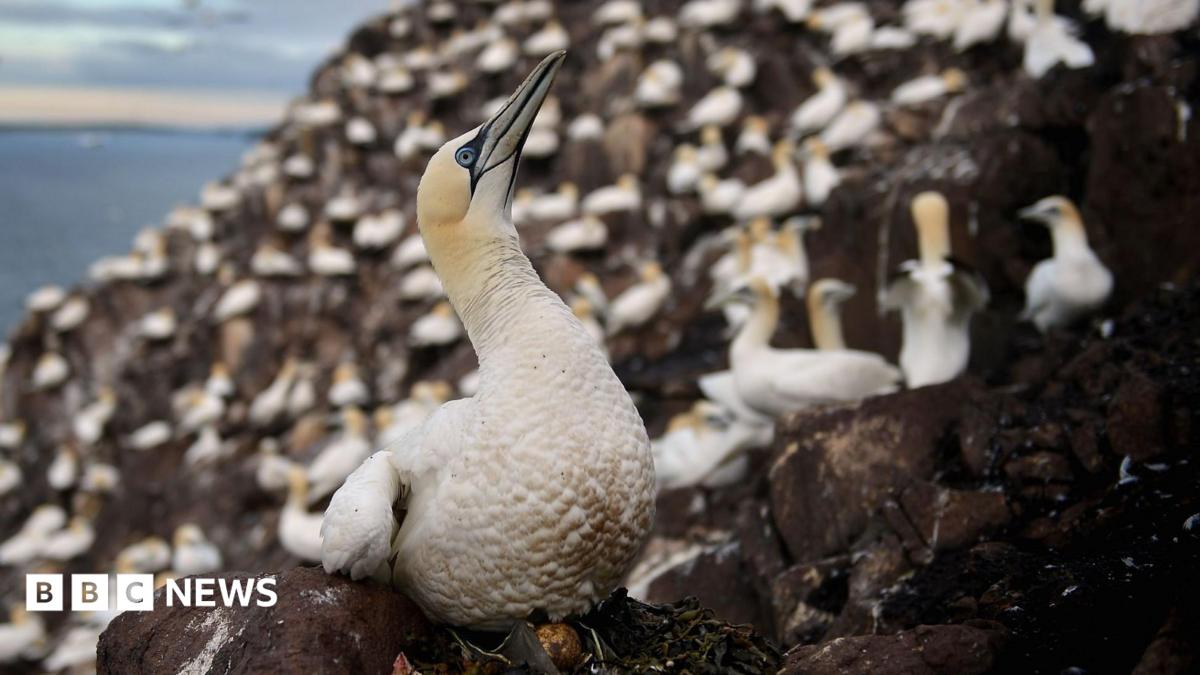
The traditional guga hunt, involving the harvesting of young gannets on the remote Hebridean island of Sula Sgeir, will not take place this year as NatureScot has denied the necessary license. For hundreds of years, this practice has been a part of the local culture, with hunters seeking seabird chicks, known as guga, for their meat during the summer months. Sula Sgeir lies approximately 40 miles north of Ness on Lewis, and today, obtaining permission from NatureScot is required to conduct the hunt. This year, however, authorities refused the application due to concerns about the potential negative effects on the gannet population.
The origins of the guga hunt date back to Viking times, according to historian Donald S Murray, who authored “The Guga Hunters.” He explained on BBC Radio Scotland Breakfast that the hunt was historically crucial for local residents of Ness, Lewis, due to challenging geographical conditions. The area’s rough seas made fishing dangerous, and the landscape, mostly moorland, offered limited resources. Thus, gannet chicks provided an essential food source, helping islanders survive. Traditionally, a group called the Men of Ness would spend around ten days in August on the island harvesting the young birds.
Historically, similar seabird hunts took place in other Scottish locations like Orkney, Shetland, and St Kilda, where birds were also used for oils, feathers, and eggs. At Bass Rock, gannet chicks were once captured and sold at markets in Edinburgh. The taste of guga meat has been described variably as a mixture of kipper and steak, “salty goose,” or less appealingly as “rotten leather and fishy beef,” with some comparing it to a blend of anchovy paste and potent cod liver oil.
The debate surrounding the guga hunt revolves around ethical and ecological concerns. Critics argue the practice is outdated and unnecessarily cruel, emphasizing the traditional methods still in use, which involve catching chicks with noosed poles, killing them with a blow to the head, and then processing them on-site before transport to Lewis. The hunt has been paused in recent years (2022-2024) due to av
Read the full article from The BBC here: Read More
Auto Amazon Links: No products found.