Auto Amazon Links: No products found.
A coalition of campaigners representing disabled and terminally ill individuals has appealed to Prime Minister Andy Burnham to prioritize reforming social and palliative care before any assisted dying legislation is introduced in England and Wales. The group, known as Assist Us To Live, argues that the current system fails to adequately support sick and disabled people and warns that legalizing assisted dying under these conditions could endanger their lives.
The Prime Minister has expressed his view that addressing the funding issues surrounding palliative and social care should take precedence over considering assisted dying laws. While the government is expected to maintain an official neutral stance, Burnham’s comments imply he may personally oppose the bill put forward by Labour MP Lauren Edwards. Supporters of the bill maintain that enhanced care services and granting terminally ill individuals greater control over their final days should progress together.
The proposed Terminally Ill Adults (End of Life) Bill seeks to permit adults over 18, who are predicted to die within six months, to receive assistance in ending their lives, subject to strict safeguards. It clarifies that merely having a disability would not qualify someone for this option. This is the second occasion a similar backbench bill is advancing through the House of Commons, following a previously stalled attempt in 2025 by Labour MP Kim Leadbeater, whose bill failed to pass the House of Lords amid numerous amendments and ultimately ran out of parliamentary time. Edwards reintroduced the identical bill in June, aiming to complete the progress begun by Leadbeater, with a Commons debate scheduled for September 11.
Opponents of the legislation highlight significant concerns over the bill’s potential impact on disabled people, fearing it could create pressure on them to end their lives prematurely. The Equality and Human Rights Commission, a regulatory body, has noted that the legislation is “likely to have particular impacts on people with certain protected characteristics, especially older and disabled people.” Last year, Baroness Falkner, chair of the commission, expressed worries that while the bill includes safeguards against coercion by others, societal attitudes and the lack of adequate support services could lead vulnerable individuals to feel pressured into assisted dying.
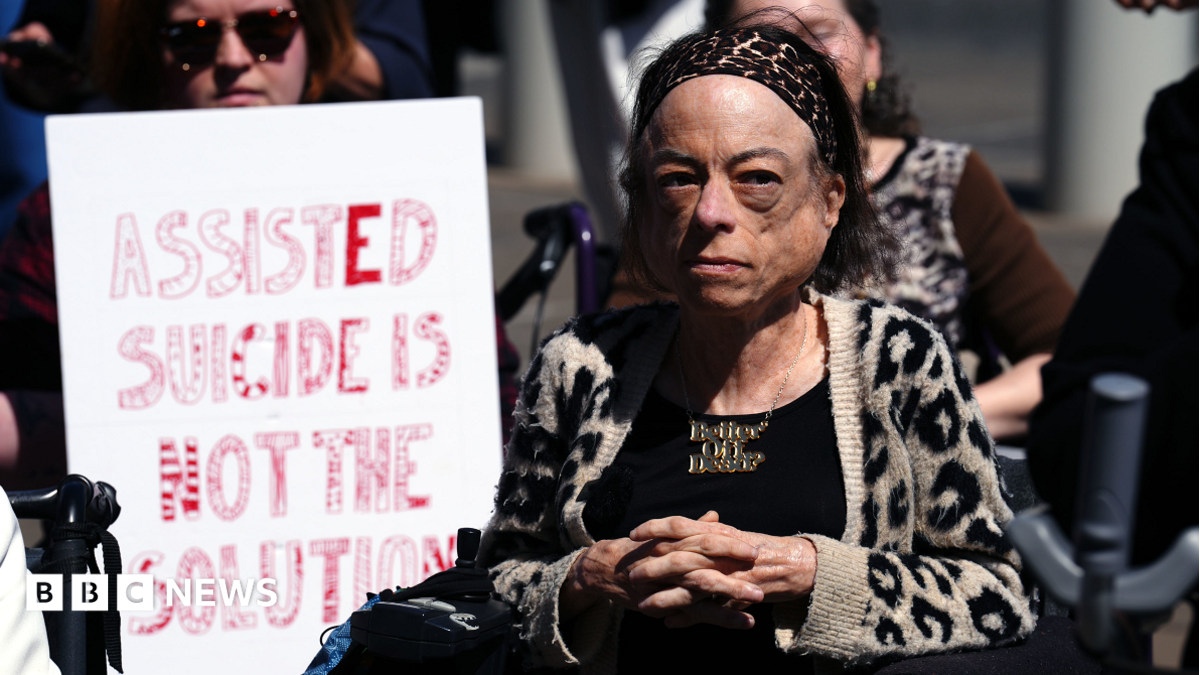
Among the critics are notable disabled figures from the arts, media, and academia, including comedian Rosie Jones and actors Liz Carr and Ruth Madeley, who have all signed an open letter to MPs. This letter emphasizes the basic choices currently denied to disabled and terminally ill people, such as the ability to manage daily tasks and pain, and describes how these failures foster a coercive environment that might push individuals toward earlier death. The campaign calls for increased palliative care funding to ensure no one feels forced to end their lives due to inadequate medical support and advocates abolishing the social care savings threshold for working-age people as well as harmonizing social care staff pay with that of the NHS.
Kyla Harris, a Canadian disabled advocate and co-creator of the BBC comedy series *We Might Regret This*, underscored the need for structural support that enables disabled and terminally ill people to live fully rather than hasten death. Harris, who became tetraplegic after sustaining a spinal cord injury as a teenager, criticized the bill by saying, “We are treating people like animals who need to be put down,” and argued that funding efforts toward the bill detract from improving social services and palliative care. Meanwhile, Pamela Fisher, a terminally ill breast cancer patient and supporter of the bill, described the notion that care must be “sorted” before assisted dying can be considered as an unrealistic standard. She believes ongoing reforms to care services are necessary but that imperfections in these systems should not deny terminally ill individuals the autonomy to make decisions about their own death. Andrew Copson, chief executive of Humanists UK, which supports the law change, expressed hope that MPs will “look past renewed attempts to derail this long-overdue change.”
Read the full article from The BBC here: Read More
Auto Amazon Links: No products found.