Auto Amazon Links: No products found.
The article discusses the significant cultural impact and historical context of the Fleadh Cheoil na hÉireann (All-Ireland Fleadh) coming to Belfast for the first time in 2026. For many involved in Belfast’s Irish traditional music scene during the Troubles (1970s-1990s), the idea of hosting such a festival in the city was once unimaginable due to safety concerns and sectarian conflict.
Key points from the article include:
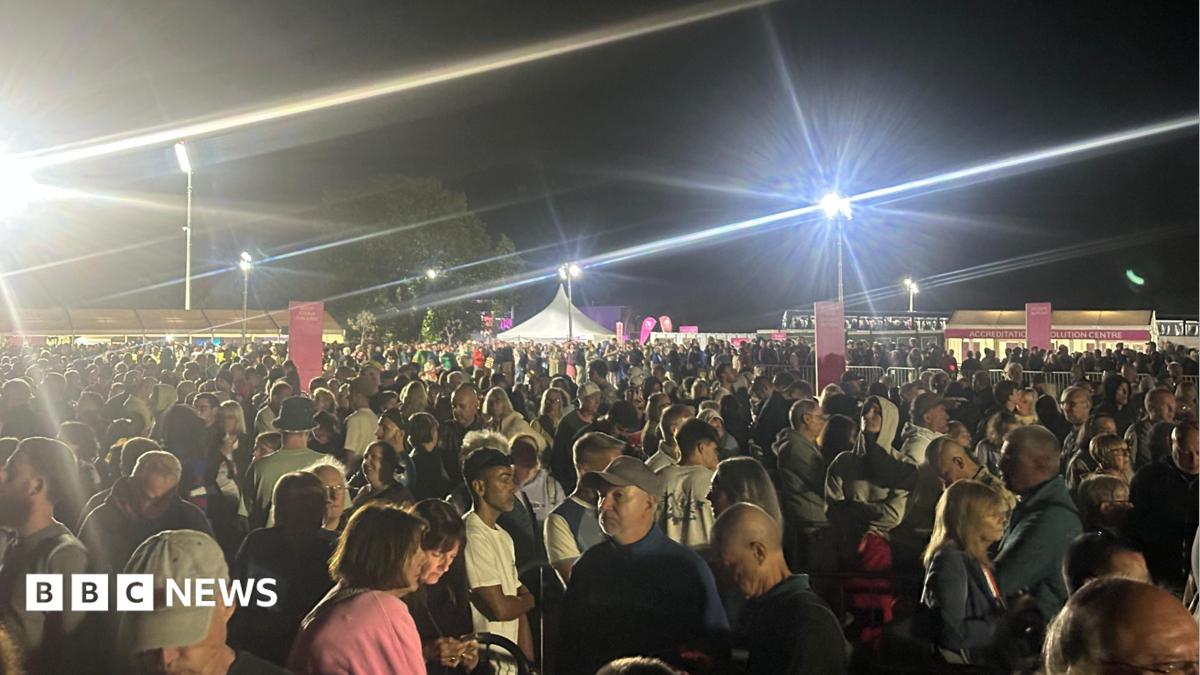
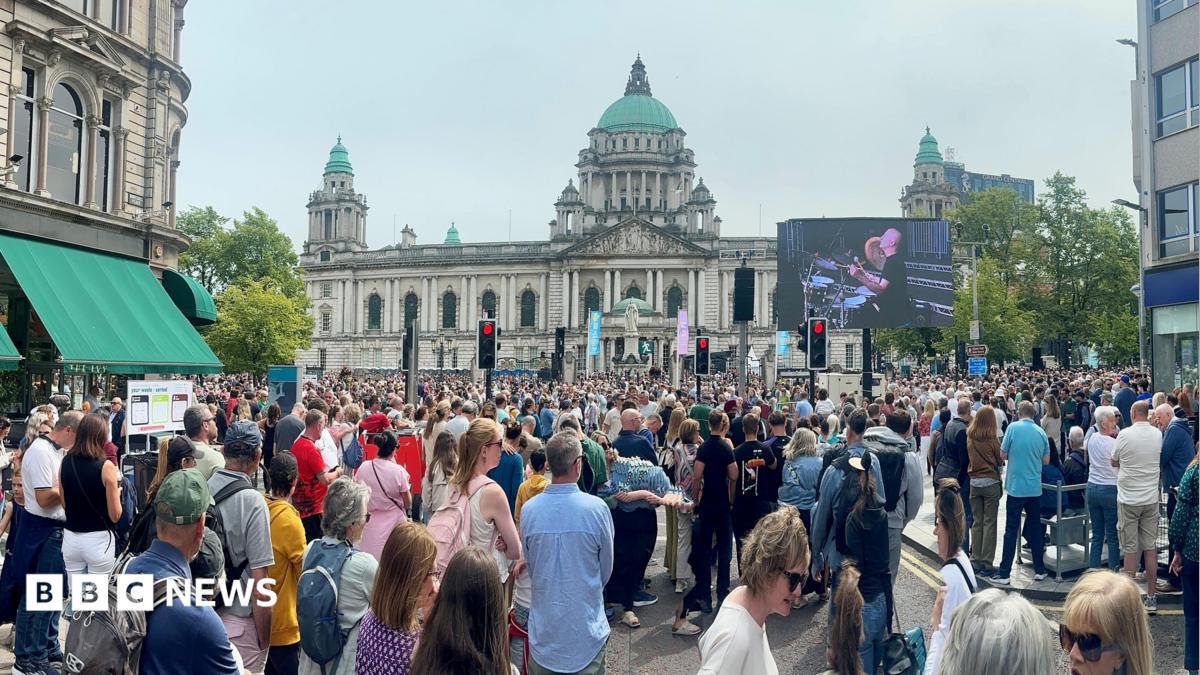
– The 2026 Fleadh Cheoil in Belfast attracted 1.6 million visits over eight days, greatly exceeding expectations.
– Veteran folk singer Neil Martin reflected on how unsafe it would have been to hold the festival in Belfast during the Troubles, illustrating the enormous social and political changes since then.
– Martin emphasized how music transcended political and religious divisions during the festival, becoming a form of international language fostering inclusiveness and unity.
– Linda Ervine, an Irish language activist from a unionist background, shared how emotional it was to see Belfast transformed from a city once scarred by sectarian violence into a joyful, multicultural celebration.
– The article recalls the city’s historical security barriers known as the “ring of steel” and the atmosphere of fear and distrust during the Troubles, contrasting sharply with the recent festival’s open and welcoming vibe.
– Ervine highlighted ongoing cross-community efforts to promote shared cultural understanding through events like the Fleadh and initiatives supporting the Irish language.
Overall, the article celebrates how much Belfast has changed over the decades, using the Fleadh Cheoil na hÉireann as a symbol of peace, reconciliation, and the unifying power of traditional Irish music
Read the full article from The BBC here: Read More
Auto Amazon Links: No products found.