Auto Amazon Links: No products found.
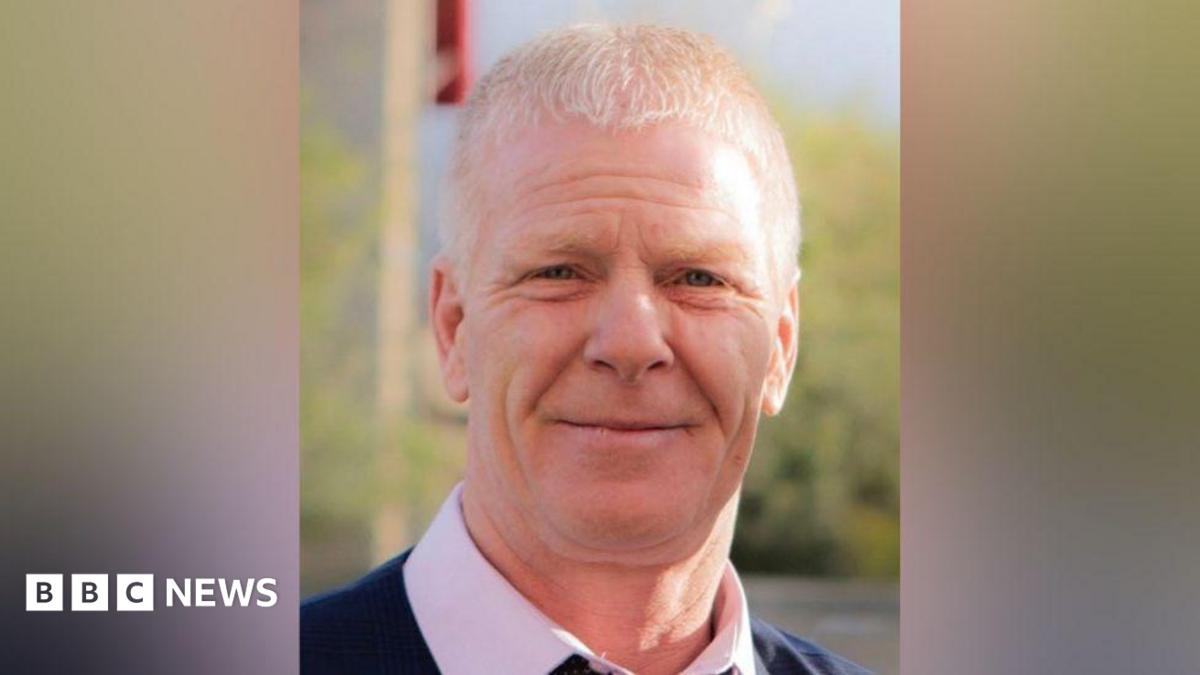
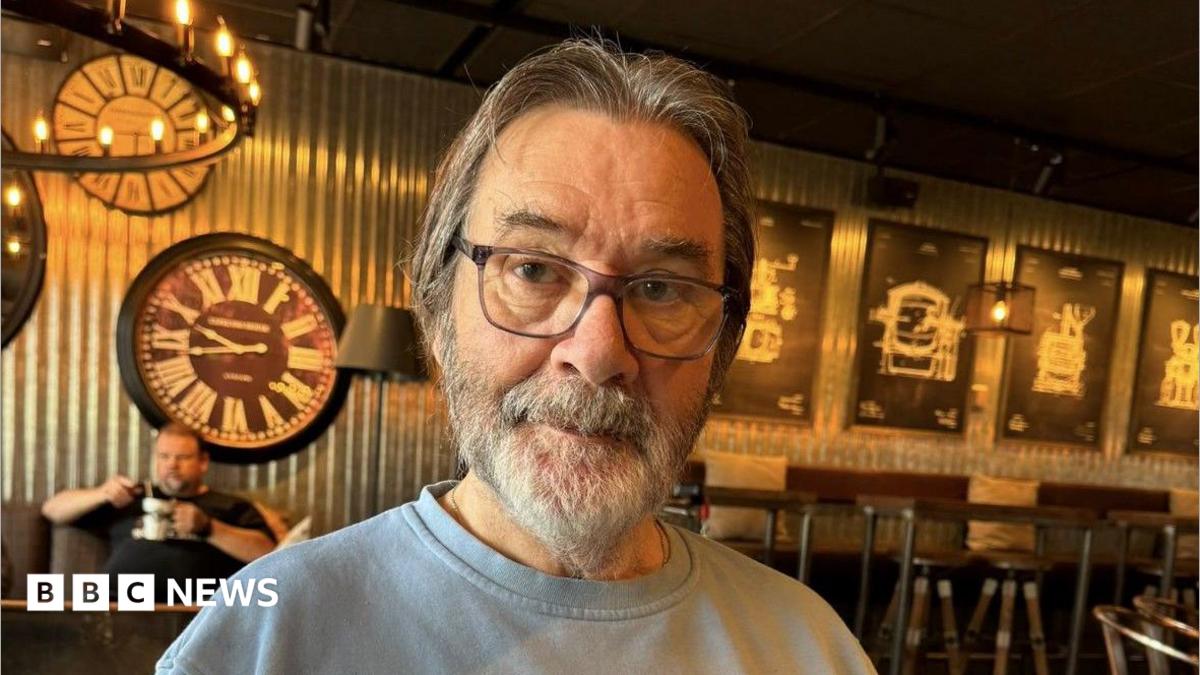
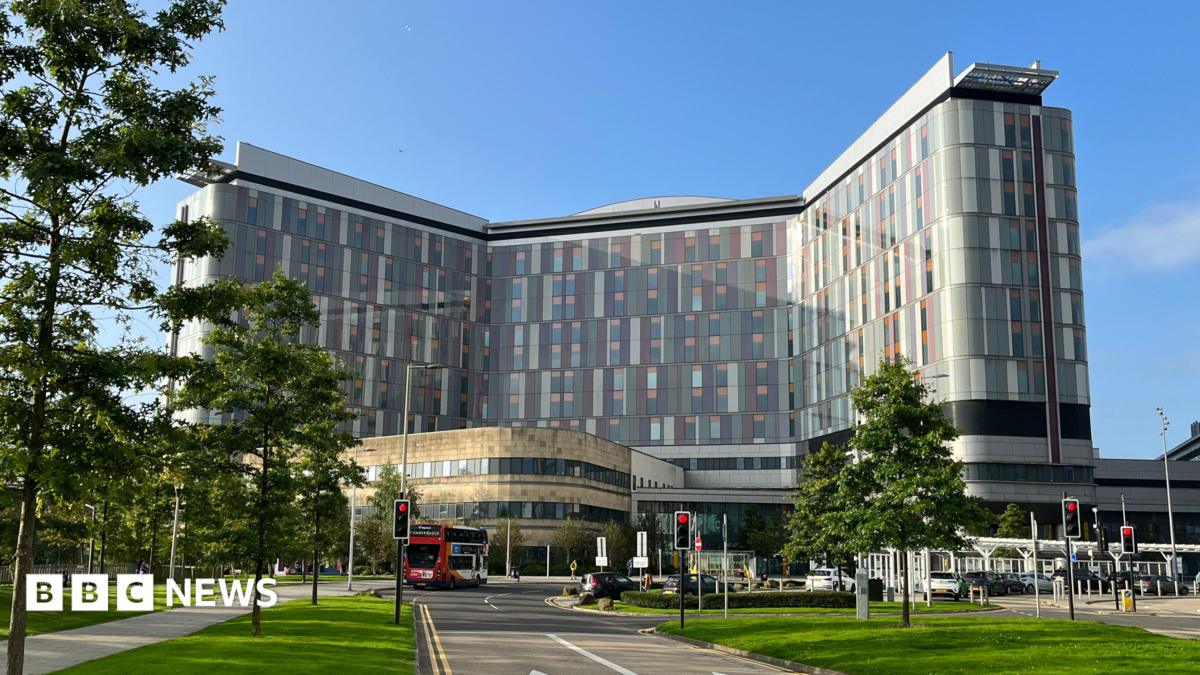
Bradnam, a medical physicist with over four decades of experience working within the health board, revealed that he had been involved with the QEUH project for approximately 20 years. In his testimony to the inquiry, he stated that he had formally submitted three separate SBAR reports concerning the QEUH. SBAR — which stands for situation, background, assessment, and recommendations — serves as the health service’s formal method for documenting critical issues and making suggestions to management.
His initial SBAR report, submitted in 2020, addressed concerns related to ventilation and temperature regulation in rooms containing anaesthetic gases. Bradnam recounted that a hospital estates worker informed him those rooms were designed to have only two to three air changes per hour. However, an external contractor who evaluated the ventilation system believed the setup was for six air changes per hour. Bradnam pointed out that both these figures fell short of the 15 air changes per hour he deemed necessary to ensure staff safety. Furthermore, he indicated a “deficiency” in the system’s design, highlighting that the ventilation system failed to achieve the intended air change rate.
Earlier this year, during a discussion with the health board’s chief executive, Professor Jann Gardner, Bradnam raised the issue that “elevated humidity levels in the supply air could be contributing to mould growth within the ventilation system.” Gardner later announced that a review of imaging facilities had been initiated. In an email dating back to 2014, Bradnam expressed apprehension that the hospital’s diagnostic team was being “pressured” to install costly imaging equipment before the completion of the building. He warned this could lead to the “deterioration and damage” of an MRI scanner valued at around £10 million.
Both First Minister John Swinney and former First Minister Nicola Sturgeon have denied any political pressure was exerted to open the hospital prematurely. Bradnam reported that he had not received a “formal response” to his complaints nor any confirmation that his recommendations had been implemented or that the identified assurance gaps had been addressed. He was also uncertain whether his concerns had been escalated to higher management levels within the health board. Reflecting on the timeframe of his concerns, Bradnam stated, “By 2026, I had been raising concerns for at least 15 years,” and noted that although some issues had been partially resolved, no comprehensive documented gap analysis or formal process was in place to confirm that identified assurance gaps, especially legacy issues, had been fully resolved across imaging facilities. The inquiry concluded its submissions process in January 2026, and Bradnam added that he had only recently been able to engage with the investigation due to personal health and family bereavement challenges
Read the full article from The BBC here: Read More
Auto Amazon Links: No products found.