Auto Amazon Links: No products found.
Following the passing of Professor Arday, Lord Smith issued a statement emphasizing the possibility of upholding two key principles simultaneously: the importance of academic integrity and the necessity of thorough investigations into any accusations of plagiarism against academics, regardless of their identity. He also condemned what he described as a “racist feeding frenzy” aimed at the professor.
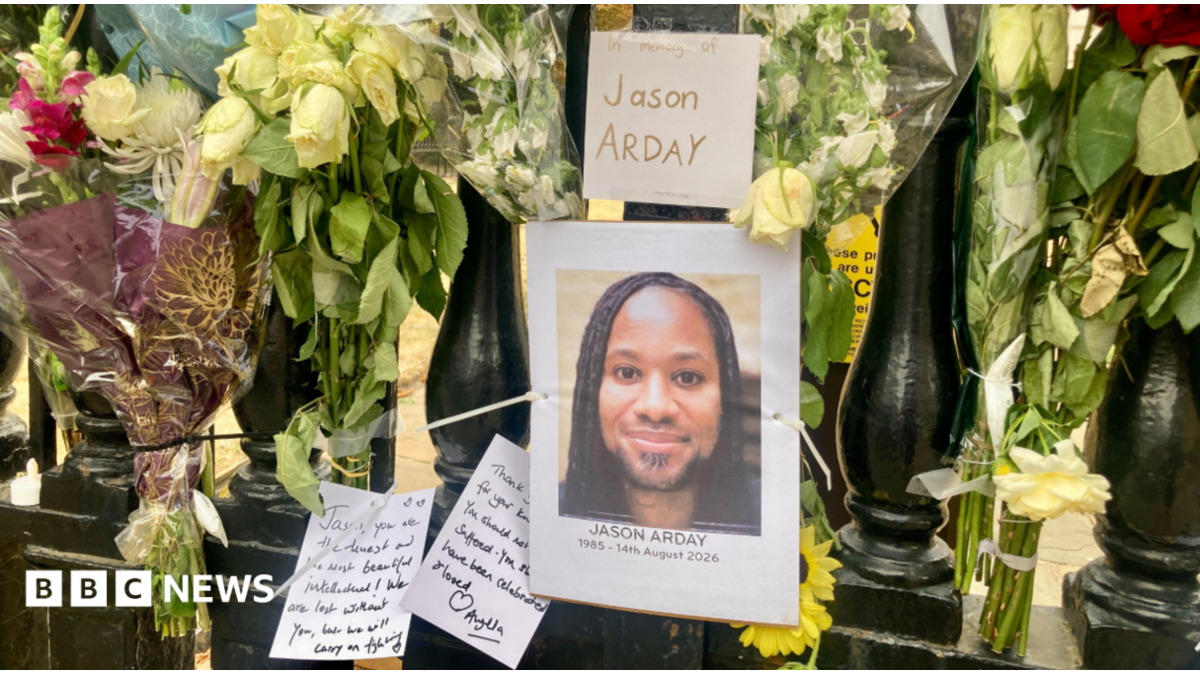
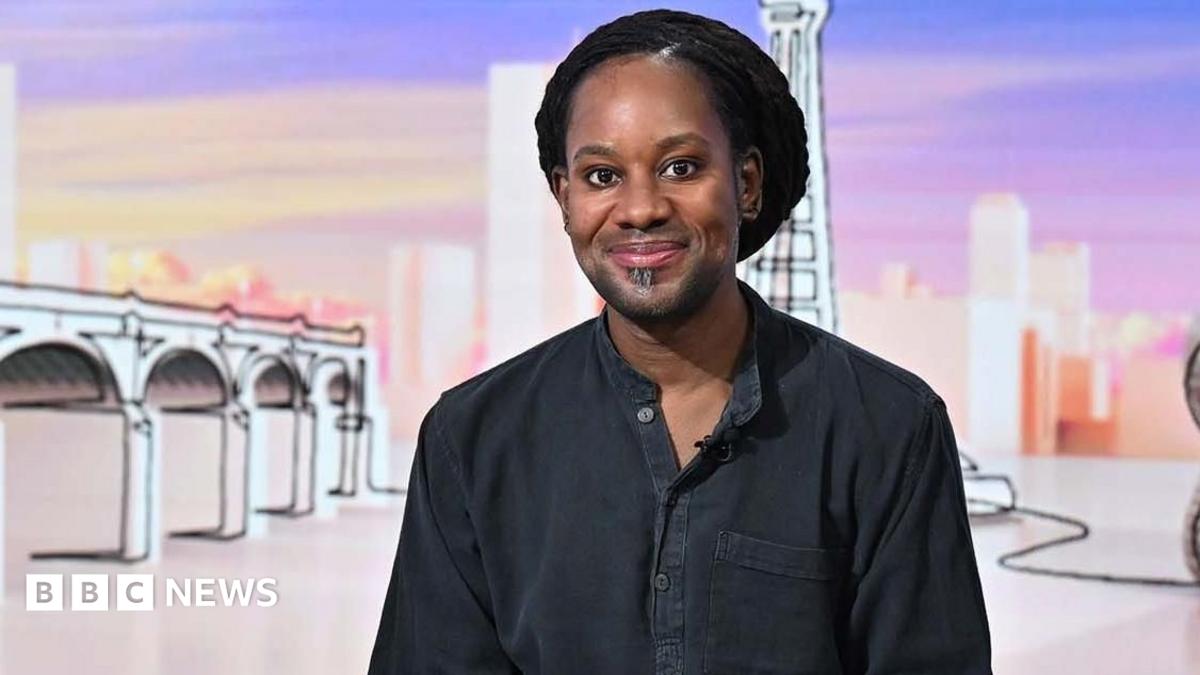
Initially, Cambridge University indicated that allegations of plagiarism concerning Arday’s doctoral thesis and some journal articles had already been looked into by Liverpool John Moores University (LJMU), where Arday earned his PhD in 2015, as well as by the relevant academic journals. LJMU determined that there was no plagiarism involved. Despite this, Cambridge recently announced that it would conduct an independent inquiry into the circumstances of Arday’s appointment. Arday, aged 41, was found dead at a residence in Battersea, south London, last Friday, shortly after resigning from his position as a professor of sociology of education at Cambridge on August 5. He had made it clear that his resignation should not be interpreted as conceding to the narratives circulating about him.
Sir James Cleverly expressed his frustration over the situation, asserting that the incident could have been avoided if universities, including Cambridge, had conducted more rigorous due diligence and verification before making a senior academic appointment. In an interview with the BBC’s Today programme, he suggested that Arday was exploited by certain institutions as a symbol of achievement, with attention focused more on his age and ethnicity than on his abilities. Cleverly said, “I think it was part of the reason that he was lifted so high so quickly and then when the scrutiny did come – external to the universities – his reputation had so far to fall. I think it was unfair on him and I think it’s been a terrible, terrible situation.” While acknowledging the legitimacy of plagiarism concerns, he also noted that much of the negative publicity, “quite possibly,” had racist motivations.
The controversy surrounding Arday began when Nathan Cofnas, another academic who self-identifies as a “race realist” and was dismissed from Cambridge in 2024, publicly accused Arday of plagiarism in his work. Cofnas’s assertions provoked backlash, particularly following his view that under a genuine meritocracy, black individuals would “disappear from almost all high-profile positions outside of sports and entertainment.” Cambridge had previously celebrated Arday’s appointment, highlighting the significance of his role as one of the very few black professors in the UK, where only around 1% of university professors are black. In response, vigils have been organized to honor Arday’s memory. On Sunday, more than 200 people attended a vigil in Cambridge arranged by his postdoctoral students, and another event is planned in Trafalgar Square on Monday evening by the group Stand Up To Racism
Read the full article from The BBC here: Read More
Auto Amazon Links: No products found.