Auto Amazon Links: No products found.
An investigation has raised concerns that around 30 children, predominantly born to British parents, may have been conceived through IVF treatments in northern Cyprus using incorrect sperm or egg donors. In every case, the families involved believe the donors they received were not the ones initially chosen. This figure expands on earlier findings from a BBC inquiry that first identified seven such incidents earlier this year.
Parents reported carefully selecting anonymous donors based on detailed profiles that included medical background, appearance, education, personality, and interests. Despite these efforts, many now doubt that the donor material used in their fertility treatments matched their specifications. Half of these children were conceived at a single facility, the Dogus IVF Centre. One mother, Rachel, who recently discovered she was given sperm from the wrong donor, described the situation as “absolutely scandalous.”
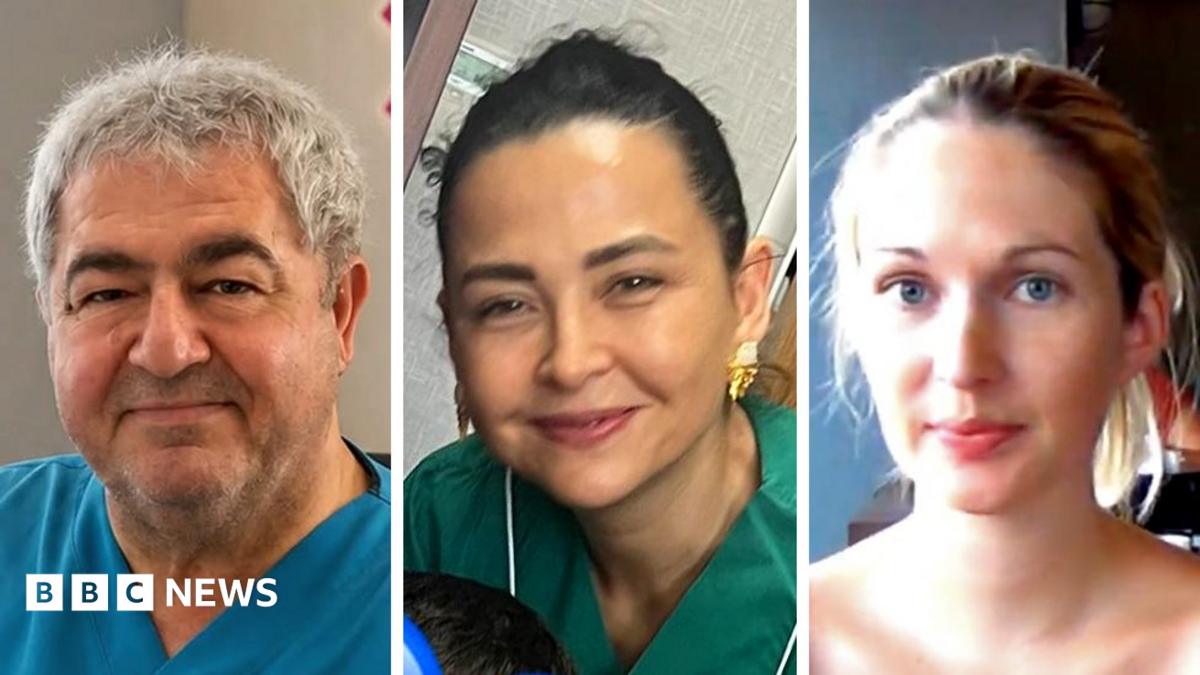
Several staff members at Dogus, including Dr Firdevs Uguz Tip, Dr Sevket Alpturk, and patient coordinator Julie Hodson, were involved in many of the treatments linked to these cases. Some parents suspect these individuals may have misled them, though Dr Firdevs denies any wrongdoing, and Alpturk and Hodson have not responded to inquiries. It has also come to light that Cryos International, the world’s largest sperm bank based in Denmark, has blacklisted Dogus clinic since 2016 due to concerns about the clinic’s ordering practices.
Northern Cyprus, where European Union regulations do not apply and which is recognized only by Turkey, is popular among British patients seeking fertility treatments abroad. Clinics in the region often promise competitive prices, high success rates, and a wide variety of screened donors from Western Europe. After the initial story emerged in March, more affected families came forward, many reporting similar experiences. Eleven of the children conceived through IVF between 2012 and 2024 have taken commercial DNA tests that showed genetic ancestry from Turkey or nearby countries, contrary to their parents’ original donor requests. These revelations have left families with profound uncertainties about the donors’ identities and medical histories.
Rachel’s own treatment in 2012 at Dogus was initially chosen because of its affordability—approximately €4,000—and the presence of a patient coordinator, Julie Hodson, who was described as “helpful and friendly.” Rachel was hoped to receive sperm from a Danish donor supplied by Cryos International. She selected a donor profile that allowed any offspring to contact him at age 18, believing this was important to her future child’s identity. According to Rachel, clinic staff assured her that the donor chosen would be carefully arranged by Dr Firdevs.
Fertility experts consulted after the investigation expressed shock at the scale of the issue, noting that the accidental use of the wrong donor is typically extremely rare. The British Fertility Society described the situation as potentially indicative of “negligence” or even “deception,” suggesting a systemic problem beyond a single individual or clinic. Notably, Dr Sevket Alpturk, who owns Dogus and acts as its responsible manager, oversaw treatments for parents of six of the affected children.
Attempts to clarify the role of Julie Hodson, particularly whether she failed to forward sperm orders or deliberately mismanaged requests, have been unsuccessful, as she has not responded to contact attempts. Both Hodson and Dr Firdevs have been accused by patients of dismissing or ignoring their concerns once suspicions arose. Cryos CEO Ole Schou expressed his shock at the number of potentially affected families and confirmed that the sperm bank had suspended all dealings with Dogus and Dr Firdevs until a government inquiry finishes. While Dr Firdevs claims to have been cleared of any violations, this has not been independently verified by Northern Cyprus authorities.
As families struggle with these unsettling discoveries, some children have found it difficult to reconcile the new genetic information. For example, Jonah, who believed he was half Danish, learned through DNA testing he has Turkish and southern European roots instead. Rachel reflected on this experience, saying, “Luckily Jonah was fascinated to find out about his heritage,” but added, “Even so, what happened is not OK. It’s a huge deal and could have been absolutely traumatising for him.” The full responsibility for these errors remains uncertain, prolonging distress for many parents and children involved
Read the full article from The BBC here: Read More
Auto Amazon Links: No products found.