Auto Amazon Links: No products found.
A serene summer day unfolds along a sea loch near Glencoe, where gentle winds and calm waters set the scene. Although seals remain visible, they avoid soaking up the sunshine, just like the holidaymakers who have chosen to kayak on the tranquil surface of Loch Leven. Unlike much of Europe and parts of England and Wales that have endured record-breaking heat, this region experiences overcast skies and notably cooler temperatures. Increasingly, travelers are drawn to Scotland not for sunbathing but to escape the heat, embracing what has become known as “coolcations.”
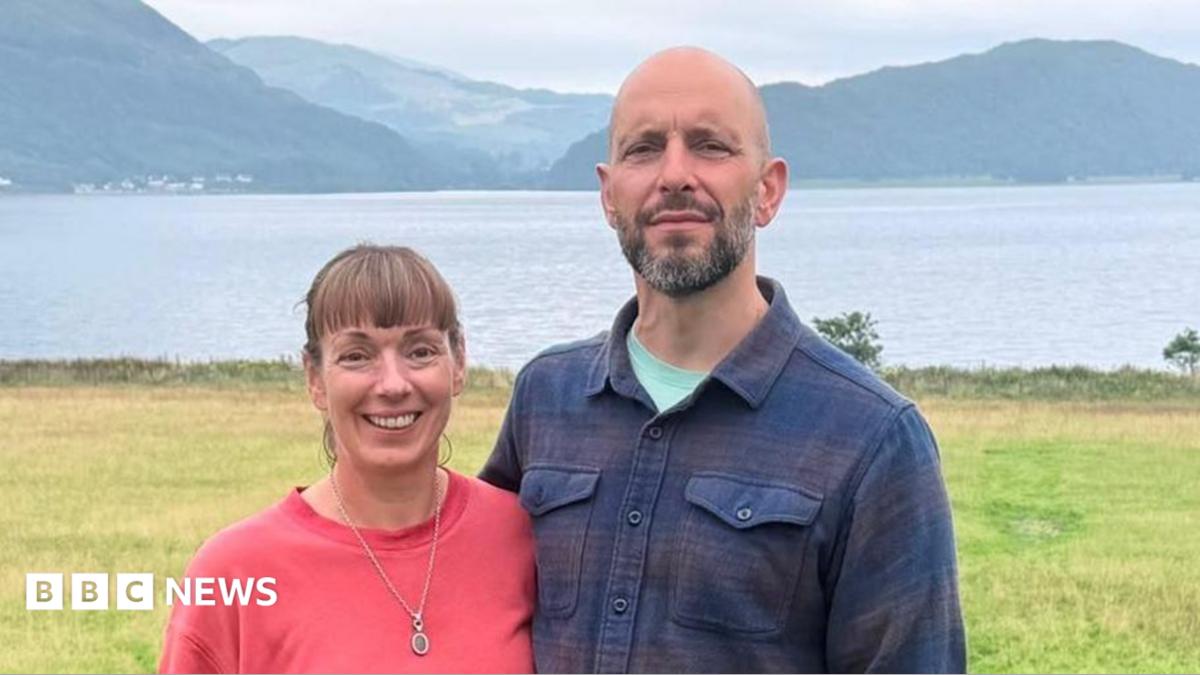
Esther and Nick Cochrane operate Beside the Loch, a self-catering holiday cottage business, and have observed a growing number of visitors seeking refuge from high temperatures. Initially attracting travelers from continental Europe—France, Italy, and Spain—the couple now sees more guests arriving from southern England, with Nick remarking that these “coolcationers” from the south have been a surprising addition. Capitalizing on Scotland’s famously unpredictable summer weather, they have directed their marketing efforts towards presenting their cottages as desirable spots for cooler retreats.
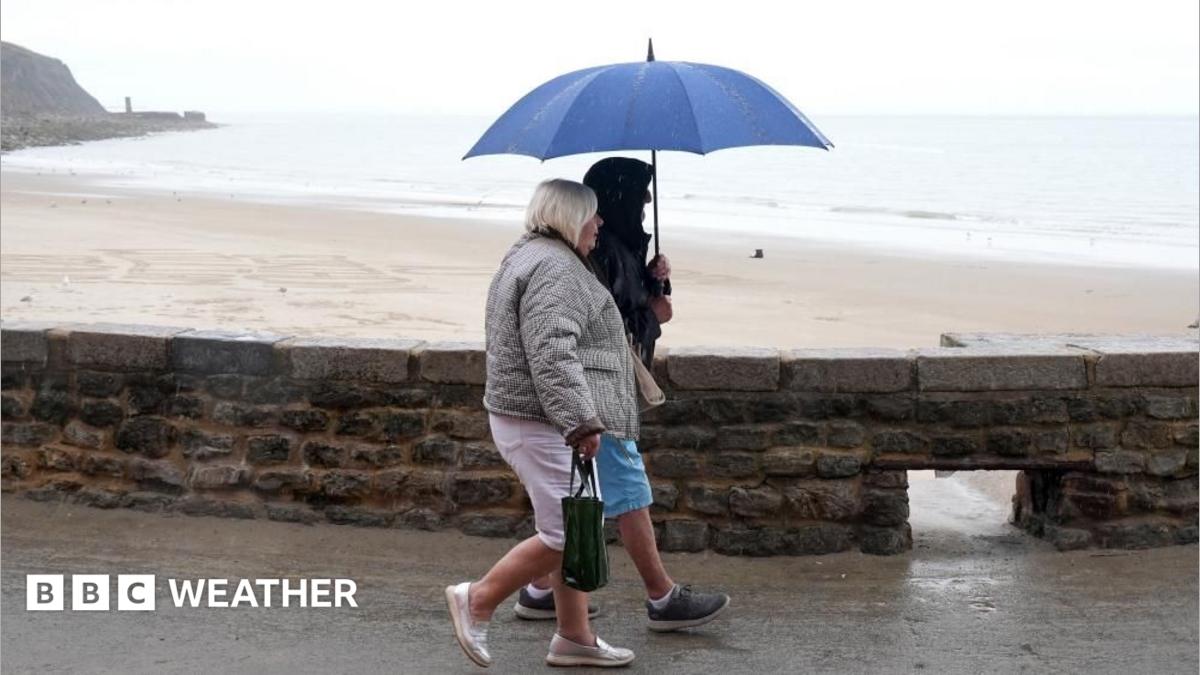
Esther recalls instances when guests eagerly anticipated rain, a feature they sought after enduring prolonged dry spells back home. “The first thing they did when they arrived at the train station was to stand in the rain,” she explains. This shift in attitudes marks a change from past apologies about Scottish weather; now, rain and cooler days have become a welcomed, integral part of visitors’ holidays. Even the old adage that “you don’t come to Scotland for the weather” is being challenged, as more acknowledge that some do, in fact, come for exactly that reason.
Families such as Caroline and Christian Grant have found the cooler climate a welcome relief. Christian notes that extreme heat leads to inactivity in the south of England, but in Scotland, “you can go back to normality, doing things.” The ability to sleep comfortably “under a duvet” is a simple pleasure Caroline appreciates. The interest in cooler holiday destinations seems to extend beyond a passing trend. Early data indicates a rise in flight searches and international spending in Scotland. Outdoor adventure operator Rob Kingsland in Glencoe observes an increase in visitors from Europe and North America who prefer Scotland’s milder climate, allowing more time for outdoor activities without the discomfort of heat or the reliance on air conditioning.
Tourism plays a significant role in Scotland’s economy, contributing about 5% of GDP and supporting roughly 250,000 jobs. While major tourist hubs like Skye face concerns over overtourism, other regions such as Moray, Aberdeenshire, the Scottish Borders, Dumfries and Galloway, and Angus hold untapped potential for growth. Chris Greenwood from the Moffat Centre for Travel and Tourism highlights these areas as opportunities for expanding tourism and benefiting local communities.
Despite Scotland’s cooler reputation, it is not immune to the effects of global warming. The Met Office reports rising temperatures over time, and this summer brought ample sunshine and dry periods. A significant wildfire in the Cairngorms forced temporary evacuations, reflecting the risks posed by changing climate conditions. Nevertheless, Scotland largely avoided the extreme heatwaves and severe wildfires experienced elsewhere. Visitors like Tudor Davies from London appreciate the relief Scotland offers from unrelenting heat, noting, “in Scotland you don’t get that kind of unbearable heat.” With its famed lochs and mountains, Scotland’s mild climate is solidifying its appeal as more than just scenic beauty—a genuine escape from the heat has become part of the draw
Read the full article from The BBC here: Read More
Auto Amazon Links: No products found.