Auto Amazon Links: No products found.
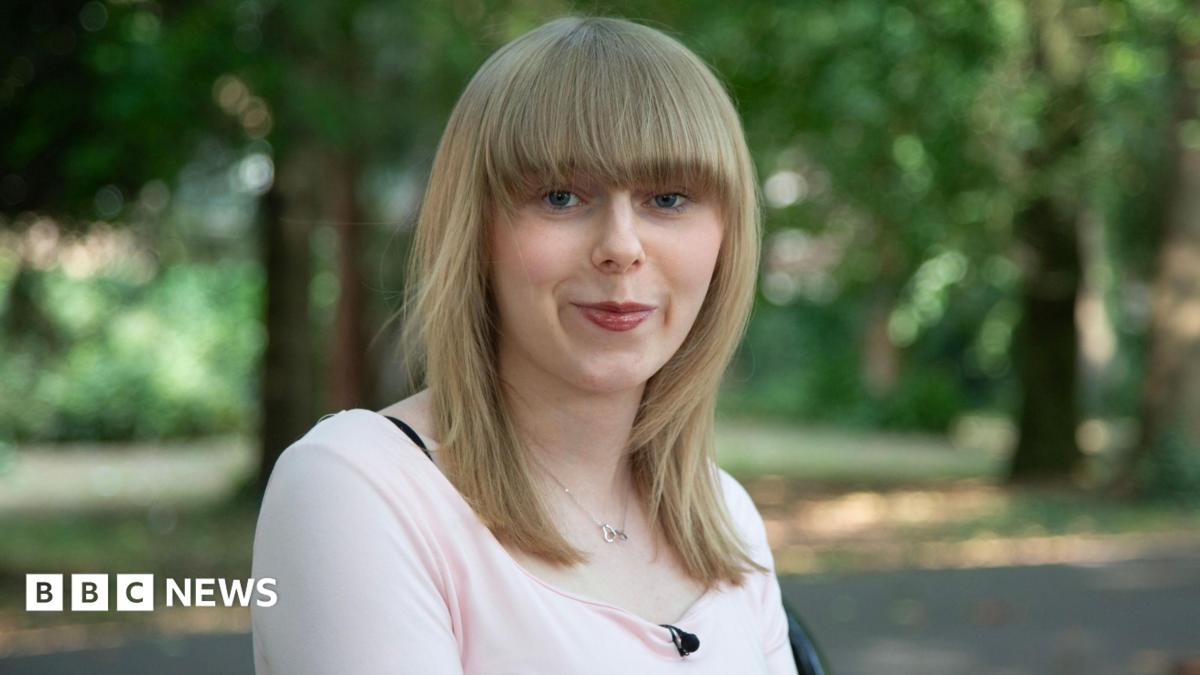
Emily, now 20 years old, faced a difficult beginning to her teenage years. Alongside the upheaval of being evicted from her family home, she was also coming to terms with her transgender identity. For a period of 18 months, Emily and her family of seven—including her parents and a young niece—had to live in cramped temporary accommodation, sharing just two rooms. She chose to keep this part of her life hidden.
Reflecting on that time, Emily said, “I don’t even know if the school knew. I don’t want to say embarrassed, but I didn’t want anyone to know because I was already getting bullied.” When she transferred to St Illtyd’s Catholic High School in Cardiff, Emily participated in a survey designed by Cardiff University in partnership with the charity Llamau. This survey, which explored pupils’ relationships, mental health, and living situations, was assessed by an algorithm aimed at identifying students at risk of homelessness. What is particularly notable about the scheme is its ability to detect young people vulnerable to homelessness who might otherwise remain unnoticed by social services or authorities.
The program, known as Upstream Cymru, is modelled on Australia’s Geelong project, which previously achieved a 40% reduction in youth homelessness. During the survey, students who answered affirmatively to certain questions—such as fears about running away or concerns about being asked to leave home within the next year—were flagged as high risk. Support workers based in schools then reach out to families to offer help, including mediation, parenting guidance, and financial advice. Russell Gardiner, a support worker involved with the program, operates in three schools and has established strong relationships with both students and their parents. His role focuses on early intervention, supporting children before their situations escalate into crises.
Russell expressed his enthusiasm for the initiative, saying, “The whole premise of Upstream is fabulous as far as I’m concerned. Getting to these young people before they get to the stage where it’s too late.” Over the past three years, he has witnessed a remarkable transformation in Emily’s life. Even though Emily was already homeless when she entered the program, keeping her engaged in school and connected with her family was a key priority. Emily credits the support she received for changing her life dramatically. In 2025, she even had the opportunity to meet the Prince of Wales to share her story. She confidently stated, “Without Upstream, I would probably be a completely different person. I definitely wouldn’t have finished college and I might not even have come out.”
Since its inception six years ago in a single school, Llamau has expanded the Upstream program to operate in 12 schools across South Wales and the valleys. Yvonne Connolly, operational director at Llamau, highlighted the long-term potential of such initiatives given that over half of homeless adults experienced homelessness before the age of 21. She emphasized, “What we really want to do is help families not get to the point where relationships break down beyond repair.” Llamau not only pioneered the project in the UK but also assisted other organizations in launching Upstream across England, Scotland, and Northern Ireland. The charity now leads the UK steering group, which was recognized with a Homelessness Excellence Award earlier this year.
In 2025, Upstream England pilot projects were incorporated into the UK government’s national plan to end homelessness. Despite Llamau’s leadership role, there are concerns that Wales may struggle to expand the program outside South Wales and the valleys without sustained funding. Yvonne warned, “What the danger here is that without that long-term funding commitment Wales could get left behind, despite Wales creating this.” Preventative support not only improves lives but also represents a cost saving; mediation interventions, which can stop family breakdown—a leading cause of youth homelessness—save over £27,000 per person by avoiding specialist accommodation costs. The Welsh government is currently investing over £3.7 million through the youth support grant to help identify and support young people at risk of homelessness early, alongside £3.5 million dedicated to innovative youth homelessness projects such as Housing First for Youth, aiming to help vulnerable young people avoid or move on from homelessness
Read the full article from The BBC here: Read More
Auto Amazon Links: No products found.