Auto Amazon Links: No products found.
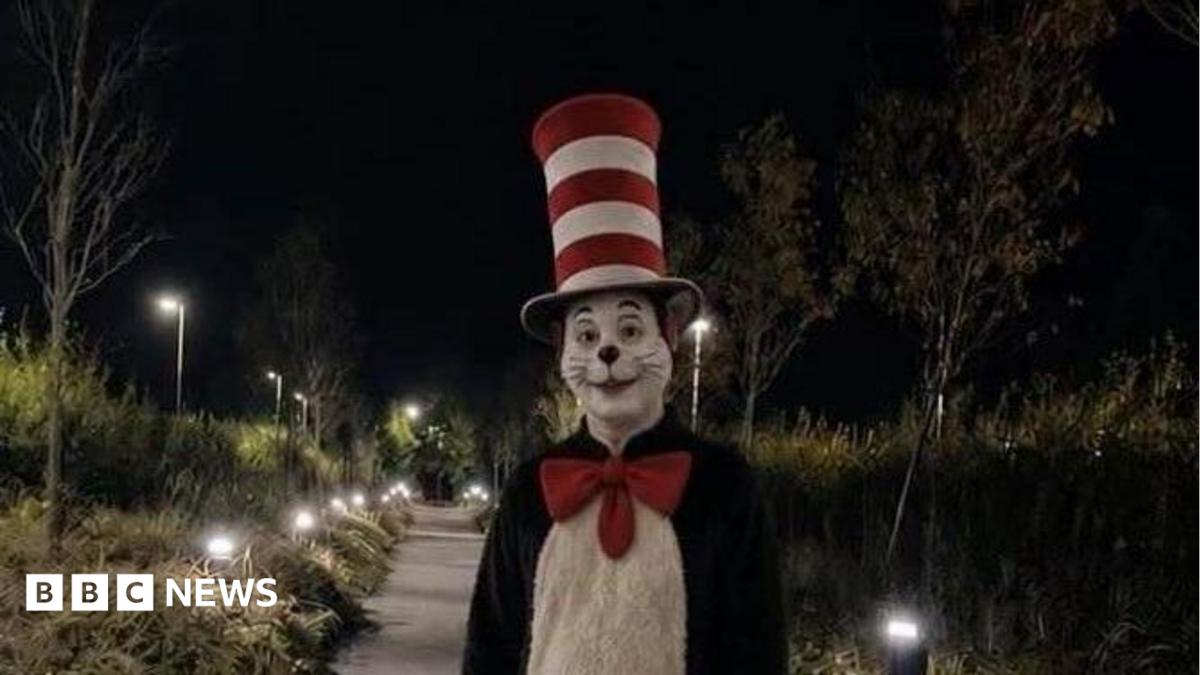
Sixteen-year-old Skye expresses genuine fear at the mere mention of the Cat in the Hat, describing the character as “so scary.” This reaction has been fueled by viral images circulating online, which claim to depict a life-sized version of the iconic Dr Seuss figure roaming the streets after dark. These posts have gained millions of views and caused widespread confusion among teenagers, some of whom believe the character is real and worry about encountering it in person. Authorities in Ireland and the UK have stepped in to clarify the situation, confirming that these images and videos are fabricated.
During a recent sleepover, Skye recalls feeling overwhelmed by the viral trend. “Everyone started watching Cat in the Hat videos. It was 3am. I wanted to go home,” she explains. The fear prompted her to call her mother for a pickup after she became convinced the character might suddenly appear as she walked down her friend’s driveway. A search on platforms like TikTok reveals numerous new accounts sharing photos and videos of a person dressed as a black-and-white cat wearing the famous tall, striped hat. One particularly popular post, featuring the original costume with the caption “Help, what do I do?”, has amassed over 14 million views in just three weeks.
The comment sections of these posts add to the bizarre atmosphere, with some users speculating the costume is taxidermied or concocting theories about Mike Myers, who played the Cat in the Hat in the 2003 film, being trapped inside it. Additionally, other accounts, some created very recently, post videos of a person dancing in the costume along with captions warning people to lock their doors. These clips have been shared widely and often tied to specific locations across the UK. The viral images have predominantly featured Irish counties such as Limerick and Wexford, where shaky videos purportedly exhibiting the character wandering through streets circulated, alarming local residents. Police forces like Wexford Gardaí quickly dismissed these as AI-generated fakes.
Despite official denials, the trend has taken on a life of its own, with some social media users spreading unverified claims that the Cat in the Hat has been involved in violent incidents. Fourteen-year-old Lily from the Scottish Borders heard rumors about a “meet and greet” event in the woods of Galashiels, which her mother strongly opposed. Police in England’s South Yorkshire have also publicly denied sightings of a “killer Cat in the Hat,” addressing misinformation that has attracted hundreds of thousands of TikTok views. A fake Facebook post purportedly from a Yorkshire Police force—which does not exist—circulated, sowing further confusion. South Yorkshire Police urged the public to verify official sources and dismissed the rumor, saying, “The cat is not out of the hat on this one… Please don’t believe everything you read on social media.”
The phenomenon carries a mix of humor and fear, with many users posting comedic dancing videos and spoof content. Scottish drag performer Ellie Diamond humorously declared herself not to be the “Cat in the Hat killer,” while Irish TikTok star Garron Noone pointed out the obvious hoax nature, joking that even “the most soulless, evil, vicious monster” would be put off by looking into the windows of Wexford residents. Snapchat filters and group chat images suggest that a significant portion of the audience is engaging with the trend playfully. Nevertheless, some teenagers, like 16-year-old Ellie from the Scottish Borders, admit to still feeling frightened, describing the character as if it had come to life to haunt them.
A concerned Scottish mother, Emily, compares the Cat in the Hat craze to the earlier “Momo Challenge” internet hoax, noting that while such scares lack verified harmful incidents, they still cause distress. She cautions that bad actors could exploit current fears for harmful purposes. At present, evidence indicates the sightings stem from an amalgamation of auctioned film costumes, costumed people, AI-generated images, and unsubstantiated social media posts rather than any real-world presence. Authorities advise caution: verify the sources of viral content before sharing, look for official police confirmations, and avoid engaging with strangers, especially at night or in isolated places. This unfolding trend underscores how quickly online fears can spill into the real world, impacting young people across the UK and Ireland
Read the full article from The BBC here: Read More
Auto Amazon Links: No products found.