Stonehaven train derailment could have been avoided if drain built correctly – sheriff
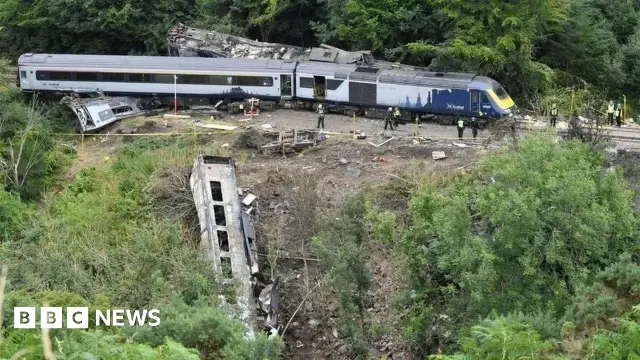
Following the derailment incident, Network Rail has adopted a much more extensive use of aerial inspections to monitor the railway system. These surveys are predominantly conducted using helicopters, supplemented by drone technology. This reflects a broader shift in the organization’s approach to safety, particularly in relation to weather-related risks. As noted, there has been a marked transformation in how Network Rail recognizes the impact of weather conditions, especially rainfall, as a hazard to railway operations.
In her 199-page report, Sheriff Johnston refrained from issuing any new recommendations, citing that the Rail Accident Investigation Branch (RAIB) had already completed a comprehensive inquiry. The RAIB’s investigation resulted in 20 thorough and wide-ranging recommendations designed to enhance railway safety following the accident. According to the sheriff, most of these recommendations have been implemented, while the rest are in the process of being progressed. She affirmed that these measures have satisfactorily addressed the concerns raised in both the RAIB’s report and the inquiry, stating, “I do not consider there are any other reasonable precautions, improvements or other steps that could be taken which might realistically prevent other deaths in similar circumstances.”
Sheriff Johnston concluded her remarks by expressing her heartfelt condolences to the families and friends of the three men who lost their lives in the derailment, acknowledging the tragic and premature nature of their deaths. Liam Sumpter, the managing director of Network Rail Scotland, echoed these sentiments, describing the July 2020 event as devastating. He emphasized the ongoing efforts made since the accident to improve safety on Scotland’s railways, diligently working to meet the recommendations from RAIB and fully supporting the Fatal Accident Inquiry (FAI) process to its conclusion. Enhancements to managing severe weather risks and increasing railway resilience have been central to these improvements.
Reactions from other parties involved also underscored the seriousness of the incident. Laura Buchan, legal director at the Crown Office and Procurator Fiscal Service (COPFS), praised the inquiry’s thoroughness and the effective implementation of safety measures. Meanwhile, the train drivers’ union Aslef criticized the governance surrounding the incident, highlighting a “staggering level of governance and corporate failure” and raising ongoing concerns about the structural safety of high-speed trains. This call for the removal of these trains from service has been supported by the RMT union as well. West Aberdeenshire and Kincardine MP Andrew Bowie, who visited the crash site shortly after the event, pointed out the deep sense of communal grief and loss, expressing hope that the victims’ families find solace in knowing that lessons have been learned and that their loved ones’ memories endure
On air now
Juicebox