‘I was asked if I was a crier’: Your worst job interviews revealed
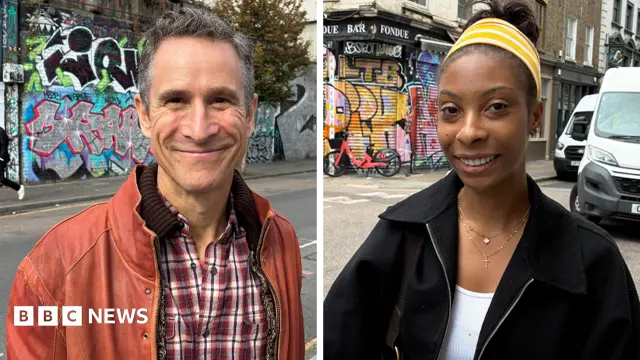
Tiara Allen showed up on time for a retail job interview but was left waiting for about 40 minutes in a shopping center before her interviewer arrived. According to Tiara, the delay was caused because the interview wasn’t on the interviewer’s schedule, despite their co-worker calling them multiple times. Although she needed the job at the time and accepted the offer, Tiara reflects now that she wouldn’t have taken the position after being treated in that manner. She felt that the long wait was indicative of how the company likely treated its employees.
In a different situation, Chas Edwards faced an unusual question during an interview for an assistant role at a book publisher in New York. He was asked whether he was “a crier.” Initially thinking it was a joke, Chas responded that he did not cry. However, the interviewer was serious, explaining that her previous assistant had cried frequently, and she preferred someone who did not. Despite the difficult experience and the demanding boss—whom Chas describes as miserable—he lasted 13 months in the role, setting a record since no one else had stayed more than three months. Though tough, Chas now views the experience positively, believing it made all his subsequent jobs seem more manageable.
Corinne Card encountered a surprising reaction during an administrative job interview when she was asked if she liked working with people. After answering affirmatively, the interviewer immediately ended the meeting, stating the job would not be a fit for her. Corinne was left wondering if this was a deliberate test, pointing out that few people would admit to disliking working with others. Corinne Mills, joint managing director of Personal Career Management, advises candidates to seek clarity if faced with strange questions, perhaps by repeating the question for confirmation. She also highlights that an interview serves as a two-way assessment, offering candidates insight into the company culture based on the interviewer’s approach.
Some interview questions cross legal lines as well. Discrimination on the basis of protected characteristics—such as age, disability, gender reassignment, pregnancy, race, religion, sex, or sexual orientation—is unlawful. Employment lawyer Roy Magara notes that women are often improperly questioned about plans for children, and older candidates sometimes face bias related to team dynamics, being told they don’t “fit the vibe” of younger colleagues. Candidates suspecting such biases can request internal records about their application through a subject access request. Despite the power imbalance often felt by candidates, Euan Cameron, co-founder of hiring platform Willo, encourages remembering that an interview is fundamentally a conversation between two people—though it certainly helps, as in Tiara’s experience, when both participants actually show up on time
On air now
Low-Fi Lounge