Secondary schools told to stop teaching GCSEs before Year 10
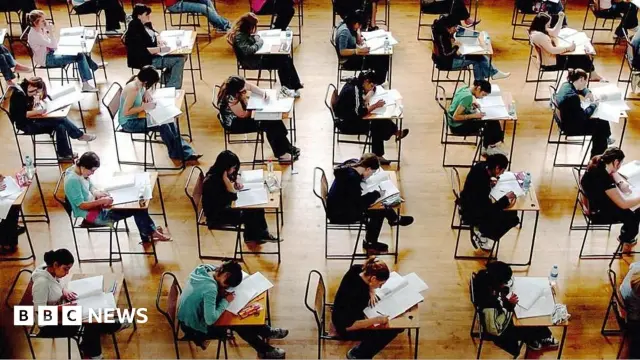
Secondary schools will be advised against offering GCSE courses prematurely as part of a significant revision in the education approach for students in Years 7 through 9. The government intends to reinforce Key Stage 3 as a distinct and dedicated phase where the focus shifts away from early exam preparation toward delivering a “richer, more engaging” learning experience.
This initiative comes following two reviews highlighting a growing disengagement among early teenagers, which has negatively impacted both attendance and academic performance, according to the Department for Education (DfE). The planned changes represent a departure from the previous Conservative government’s strategy, which emphasized core subjects and early assessment success during the initial three years of secondary schooling.
Under former Education Secretary Michael Gove, English, mathematics, and science were prioritized, grade boundaries were raised, exams became more challenging, and resits were restricted. Additionally, GCSEs were transformed into linear assessments, now taken entirely at the end of Year 11, rather than spread across Key Stage 4. These reforms led educators to begin exam preparation earlier, reducing the time spent on non-assessed areas of the curriculum.
Education Secretary Lucy Powell commented, “The early years of secondary school should be a time when children are excited to go to school and engage in the specialist and much broader teaching on offer, and where they find their passion and develop a love of learning.” She emphasized that protecting Key Stage 3 studies would offer students “more time to develop deeper understanding, as well as a richer experience that will engage more young people in their passions.” The DfE has also committed to enhancing subjects like drama, physical education, music, and languages—areas where student enrollment has been waning—and is set to unveil a new curriculum later this year
On air now
Made in Liverpool