Nagaland: Oxford museum returns ancestral Naga skulls to India
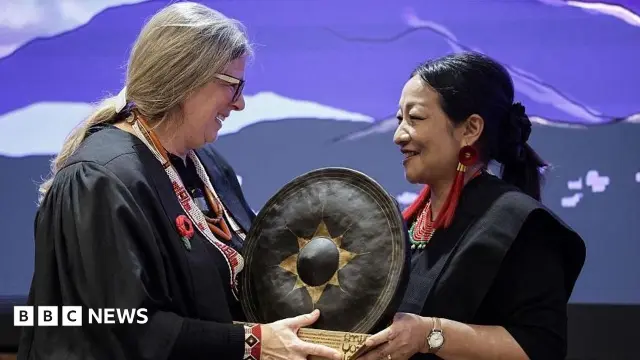
The Pitt Rivers Museum is home to an extensive collection of over 6,000 objects connected to Naga culture, which is considered the largest of its kind globally. These artifacts were primarily obtained during the era of British colonial rule in India and Myanmar, formerly known as Burma. Among these holdings, the museum’s online catalog identifies 219 items as human remains.
Most of these human remains were added to the collection between 1910 and 1940, mainly gathered by two colonial administrators who also worked as anthropologists. According to information on the museum’s website, many of these items were “frequently confiscated during punitive military expeditions, rather than freely given,” highlighting the complex and often problematic circumstances under which they were acquired.
In 2025, a delegation from the Naga community visited Oxford and met with descendants of one of the anthropologists linked to the collection of these remains. Reflecting on this history, tribal leader Thejao Vihienuo told AFP, “The manner in which these human remains were taken away from our land leaves much for us to speculate.” He added, “I suspect that nobody would have given the skull of his father or his grandfather as a gift to another person.”
The Naga people are historically known to have practiced headhunting, taking the heads of enemies as trophies, while also preserving the heads of their own chiefs in the heart of their villages. The Pitt Rivers Museum, which was established in the 19th century, has a precedent of repatriating human remains to indigenous communities in countries such as Australia, New Zealand, and the United States. The current repatriation effort involves the return of 39 ancestral remains to India, following the Naga delegation’s formal request during their Oxford visit. The museum publicly confirmed in September that it planned to return these remains
On air now
Juice Liverpool Breakfast