Tories pledge to cut benefits for children with ‘milder cases’ of ADHD
The Conservative Party has announced plans to save £2.8 billion annually by halting Disability Living Allowance (DLA) payments to families with children diagnosed with “milder cases” of behavioural disorders, learning difficulties, or ADHD. This policy forms part of a broader strategy expected to cut £36 billion from the welfare budget. The proposal targets child DLA claims, which provide parents with payments ranging from £30.30 to £194.60 per week to assist with the additional costs of raising a disabled child.
According to the Conservatives, child DLA is currently the fastest growing benefit within the UK welfare system. Government data reveals the number of child DLA cases increased significantly from 521,476 in 2020 to 914,000. The party plans to restrict payments exclusively to children exhibiting the most severe conditions—around 30% of current claimants—while phasing out payments to the remaining 70% of children with milder behavioural or neurodevelopmental conditions. Instead of financial support, these children would receive assistance through expanded mental health services and family hubs, backed by a £1 billion investment. Notably, children with physical disabilities would continue to be eligible under the proposed changes, which would affect only new claims and reassessments.
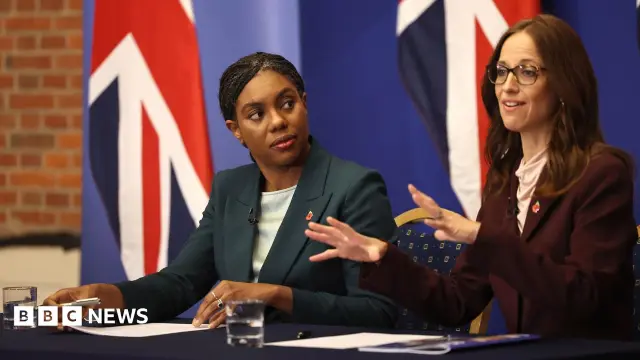
Shadow work and pensions secretary Helen Whately cautioned that the existing welfare system risks placing children on a “conveyor belt” towards a “lifetime on benefits.” In contrast, Labour strongly criticized the Conservatives’ proposals, describing them as a “charter for homelessness and human misery” which would push vulnerable people into hardship and result in increased costs for the state. A Labour spokesperson emphasized that the existing benefits system, created under Conservative governance, has led to many individuals being unfairly written off. Labour asserts its commitment to reform through improved face-to-face assessments, personalized employment support for sick and disabled people, and programs like the Youth Guarantee aimed at helping young people.
Conservative leader Kemi Badenoch defended the party’s welfare approach, highlighting examples of individuals overcoming significant challenges to contribute meaningfully to society. She stated, “The reality is that millions of people can and do contribute to our economy, to their families, to their communities even when they face serious challenges. Double amputees run marathons. People who are housebound do wonderful creative work from home. People with autism run some of the biggest tech companies in the world.” Badenoch added, “If you tell a young person that their ADHD means they are defective and will never amount to anything, that mindset is likely to be more destructive to their future than the condition itself.”
The Labour government has expressed a desire to reduce the benefits bill but has not announced a firm schedule for implementing cuts. Additional details are anticipated after the release of former minister Alan Milburn’s review on young people not in education, employment, or training, along with a separate inquiry into disability benefits led by Minister Sir Stephen Timms. Both reports are slated for publication in November. When questioned about Milburn’s review, Helen Whately suggested it would advocate for increased welfare spending, asserting that while savings are possible, Labour is unwilling to pursue the Conservative approach. Meanwhile, organizations such as the Child Poverty Action Group have warned that the proposed cuts could cause a dramatic spike in child poverty, while Liberal Democrat spokesperson Daisy Cooper criticized the Conservatives for their handling of Brexit and accused them of neglecting disabled people and children living in poverty
On air now
Sub Level