Andy Burnham’s push for closer EU ties causes ripples in Labour and among other parties
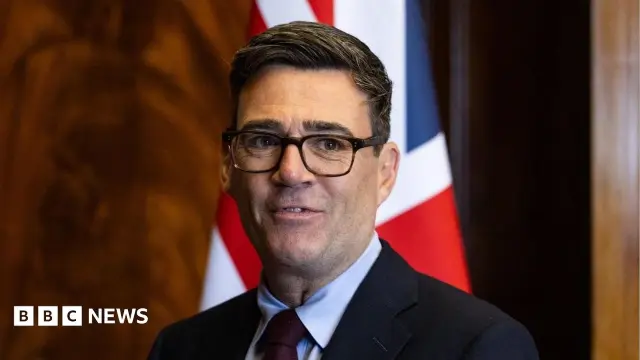
Attention has recently refocused on the prime minister’s efforts to strengthen ties with Europe, causing notable divisions within his party and others. Earlier this week, Andy Burnham addressed his Cabinet, emphasizing his belief that the UK has ended up with a “harder Brexit than people voted for” and asserting that “no sensible person thinks the deal negotiated by the Tories is working for the country.” This conversation comes ahead of a pivotal week concentrated on the UK’s relationship with the EU. Burnham is set to meet European leaders in Dublin for the first time, aiming to promote his vision for Britain’s future with the bloc. Following this, he will deliver a key foreign policy speech where Europe will be central, before heading to Brussels for a summit to finalize new agreements on matters such as food, energy, and youth mobility.
The prime minister’s openness to discussions about rejoining the EU single market—and thereby restoring freedom of movement—underlines this renewed European focus. However, this longer-term goal is creating tensions within both the cabinet and the party. Some members are supportive of the approach, including those representing constituencies that traditionally backed Brexit. Angela Rayner, for instance, has reportedly encouraged former Prime Minister Sir Keir Starmer to adopt a bolder stance on Brexit since late 2022. At the same time, the housing secretary has stressed adherence to Labour’s manifesto red lines: no immediate return to the EU single market, customs union, or freedom of movement, though change is conceivable at the next election. Another minister highlighted the political challenge, stating bluntly that Brexit “has been hugely damaging to Britain” and lamenting that politicians are “racing to catch up with the public” rather than leading the conversation.
Despite this support, there are voices of caution within the administration. Home Secretary Shabana Mahmood has urged a careful consideration of the “costs and consequences” associated with both rejoining the EU and remaining outside it. Jonathan Reynolds, the Business and Trade Secretary, favors closer EU ties and discussing the UK’s future relationship with the bloc but remains skeptical about formally re-entering the EU customs union. He points to the uncertain terms Britain might face and concerns about the rise of nationalist parties in Europe as complicating factors. Adding to the debate, former Prime Minister Lord Cameron voiced worries to Bloomberg’s Mishal Husain. He described conversations about rejoining the EU as potentially “very long and painful,” cautioning that “flirting with rejoining” might jeopardize the prime minister’s attempts to improve the existing Brexit deal by making European partners less willing to offer favorable terms.
The differing opinions within Labour do not follow predictable patterns. For example, a Scottish Labour MP—opposed to Brexit and representing a constituency that supported Remain—criticized the strategy. They questioned how they could justify revisiting the 2016 referendum when the 2014 Scottish independence referendum was deemed settled for a generation, insisting their stance is to “accept democracy.” At the same time, no overt public opposition has surfaced, though some MPs express concern about reopening the Brexit debate. Gareth Snell, representing Stoke-on-Trent (where nearly 70% voted Leave), cautioned that revisiting the issue would dominate parliamentary time and distract from other priorities. Despite misgivings, two Labour MPs opposed to Burnham’s European openness confirmed that no organized challenge to the prime minister is planned, adopting a “wait and see” attitude that may change if his poll leads diminish.
Burnham’s push towards Europe has also unsettled other political parties. The Conservative Party has firmly opposed aligning future policies with the EU, with party leader Kemi Badenoch declaring such a move a clear red line, warning it would be “actually take us backwards.” Yet, some Conservative MPs are beginning to express unease, concerned that Burnham’s strategy may revive internal divisions among their voter base. Badenoch’s team has focused efforts on regaining support from affluent southern English voters who view Burnham’s economic proposals as excessively left-wing. One Conservative MP noted the challenge: “some of those voters are only just giving us a hearing again after Brexit… and now they are going to keep being reminded of it.”
Meanwhile, the Liberal Democrats have traditionally positioned themselves as the UK’s most pro-European major party. However, some within the party now worry that Burnham’s overtures towards Europe could overshadow their distinct stance. At the same time, Reform UK remains optimistic about Brexit’s return as a political flashpoint. Despite polling indicating a shift in public opinion since 2016, a Reform UK strategist said they are “very bullish” about the debate. The strategist added, “If he [Burnham] wants to fight an election on a £40bn bill to rejoin, open door immigration, and less control over our laws and our courts then we are very up for that.” Reform UK believes this dynamic could crystallize political alignments, rallying a progressive anti-Brexit faction around Labour while uniting Brexit supporters behind their party as the staunchest opponents of the EU
On air now
Mid Morning Marathon