Irish-medium education: Vote on Irish schools law set to fall after Stormont veto
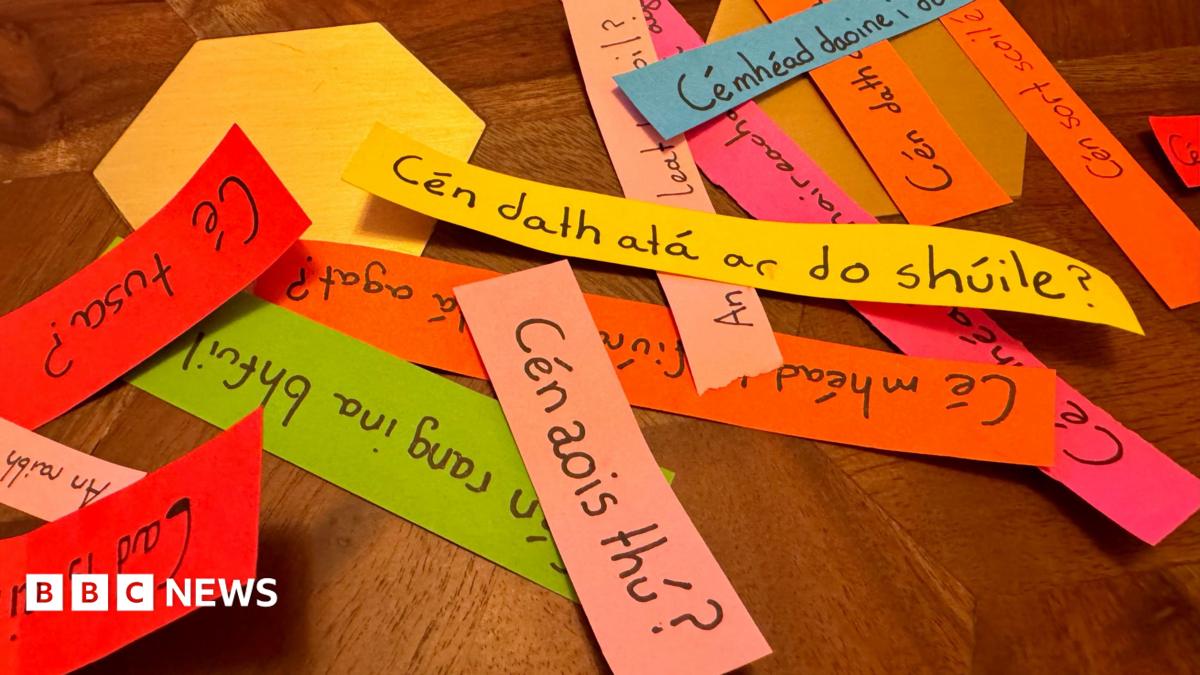
A vote scheduled for Tuesday in the Northern Ireland Assembly is likely to reject a proposed law concerning Irish-medium education, following the use of a Stormont veto by unionist members. The legislation, introduced by Sinn Féin assembly member Pat Sheehan, sought to mandate the Department of Education to develop a workforce plan tailored specifically for Irish-medium schools. However, the Democratic Unionist Party (DUP) along with other unionist representatives submitted a petition of concern that triggered the need for cross-community support, requiring approval from a majority of both nationalist and unionist MLAs to proceed.
The final stage vote on the bill had initially been delayed two weeks ago because of the petition of concern. This procedural move means that without sufficient backing from both communities, the legislation cannot move forward. Earlier this month, Michelle O’Neill, Northern Ireland’s First Minister and Sinn Féin leader, criticized the DUP for what she described as “blatant disrespect” and “sectarianism” in their attempt to block the bill. In response, DUP leader Gavin Robinson framed the veto as a reaction to Sinn Féin’s perceived “arrogance” related to the Drumcree parade dispute. Meanwhile, Alliance Party member Nick Mathison pointed out that the bill was a modest and reasonable step to support Irish-medium education and lamented that the clash between Sinn Féin and the DUP was “playing out in the worst possible way.”
Paul Givan, DUP’s Education Minister, defended his party’s stance by highlighting the “significant funding” already allocated to Irish-medium education, where teaching is conducted entirely through the Irish language. He described the private member’s bill as “unnecessary.” The disagreement also connects to ongoing tensions surrounding recent protests on Garvaghy Road in Portadown, where unionists have criticized Sinn Féin’s role in demonstrations that blocked an Orange Order parade along a nationalist-majority street. Several senior Sinn Féin figures, including O’Neill, have been interviewed by police amid allegations the protests were unnotified and unlawful.
Supporters of the bill from the Irish-medium education sector are preparing to express their disappointment at Stormont. Pilib Mistéil, principal of Bunscoil an tSléibhe Dhuibh in Belfast, explained the historic challenges faced in recruiting and training Irish-speaking educators, emphasizing the necessity of the legislation. He argued that sectors such as education and health should not become entangled in political conflicts. Similarly, Máire Ní Dhochartaigh, principal of Gaelscoil Uí Dhochartaigh in Strabane, conveyed her frustration, noting that political disagreements should not result in extra burdens for staff or have a negative impact on children’s education. She described the situation as “incredibly disappointing” given the bill’s practical aims.
The petition of concern mechanism, originating from the Good Friday Agreement, is intended to protect minority rights by requiring cross-community support for certain motions in the Northern Ireland Assembly. When invoked, it demands a weighted majority vote that includes at least 40% from both nationalist and unionist designations to pass legislation. While designed as a safeguard, its use has sometimes sparked controversy, such as when the DUP blocked the legalization of same-sex marriage in 2015 despite majority support. Reforms under the New Decade, New Approach (NDNA) agreement have sought to limit the use of petitions of concern by introducing a 14-day reconsideration period and requiring that petitions be initiated by members of at least two parties, aiming to restore the tool’s original purpose
On air now
Mid Morning Marathon