Auto Amazon Links: No products found.
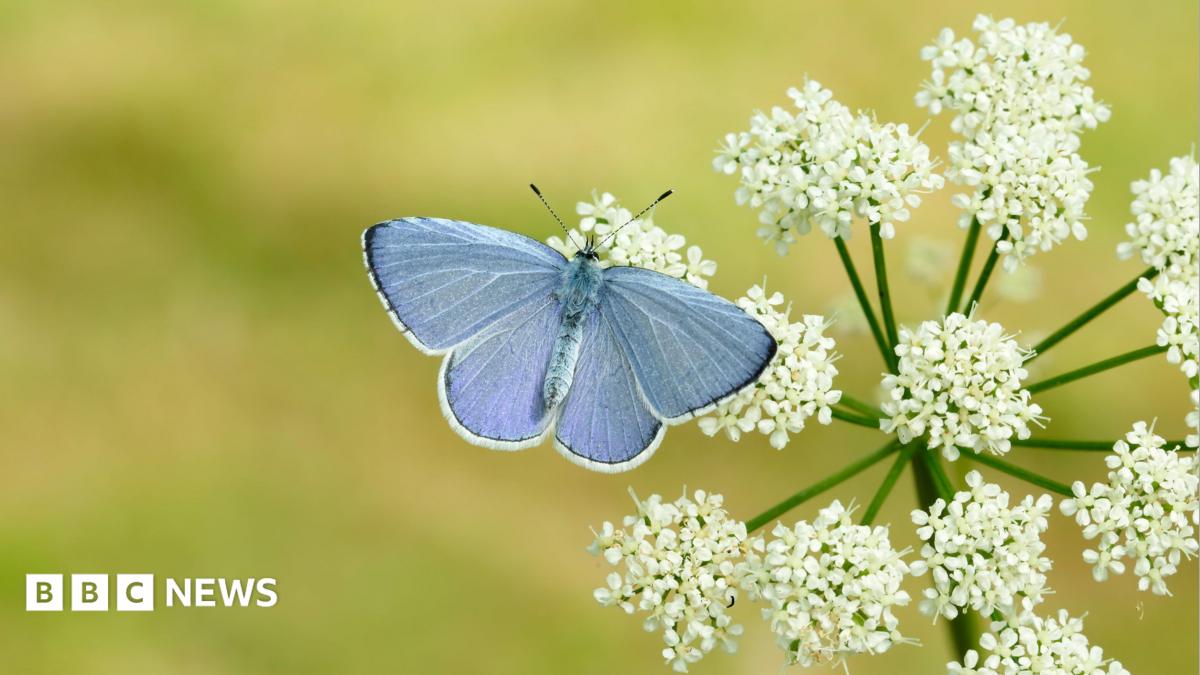
The Big Butterfly Count of 2026 is scheduled to take place between July 17 and August 9. During this period, individuals are encouraged to select a location and spend 15 minutes each day observing and counting butterflies and moths. Participants then record their findings through the official website or mobile app.
Professor Helen Roy, affiliated with the UK Centre for Ecology and Hydrology and the University of Exeter, highlighted that positive trends in butterfly numbers may indicate that other insect populations are also improving. She explained that the significant decline in butterfly populations since the 1970s has largely been caused by the loss and deterioration of their natural habitats.
Encouragingly, efforts such as the “No Mow May” campaign are making a difference by promoting the growth of wild grasses, which provides essential feeding and breeding grounds for butterflies. These initiatives offer hope for reversing the downward trend.
According to Professor Roy, supporting butterfly populations can be as straightforward as allowing gardens to become “messy” and “diverse.” She emphasized, “If more and more of us create those havens, we’ll have that kind of patchwork… all the way across the country.” She added, “I love to think that we can do that and help insects to thrive.
Read the full article from The BBC here: Read More
Auto Amazon Links: No products found.