Auto Amazon Links: No products found.
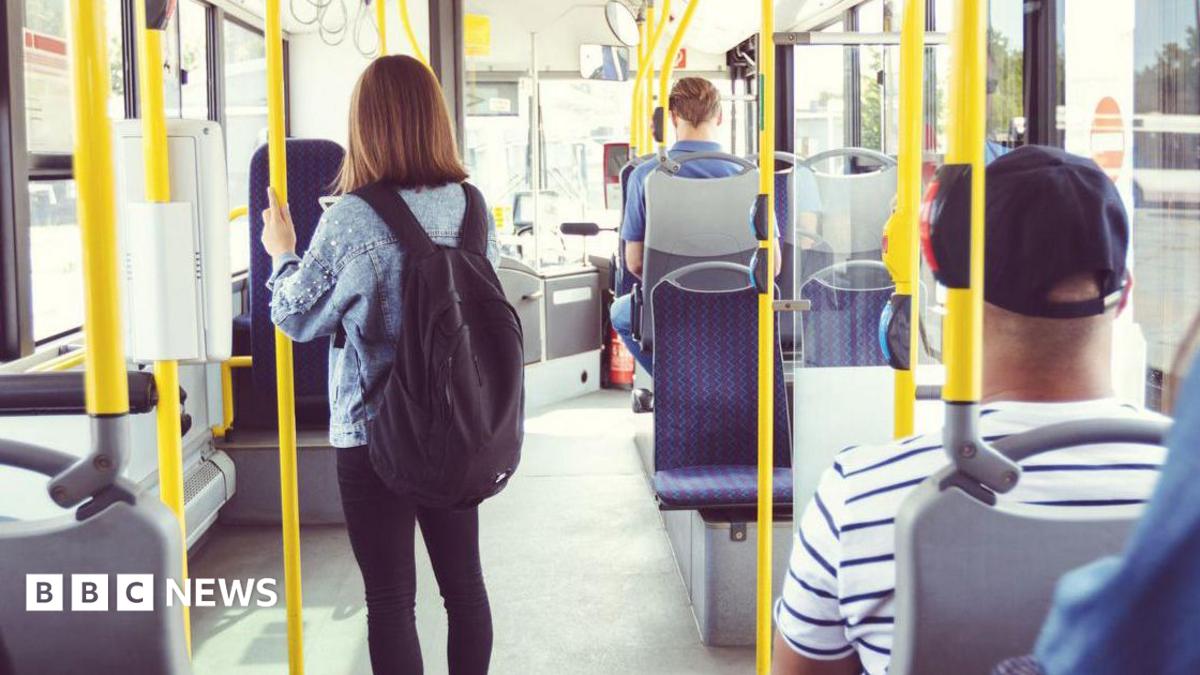
England’s bus fare cap will be lowered back to £2 starting from January, as declared by the new prime minister, Andy Burnham. This policy change is expected to exceed £500 million in costs and is intended to ease the financial strain on households while providing some much-needed relief during a difficult economic period.
Last year, under the previous Labour government led by Sir Keir Starmer, the national bus fare cap was raised to £3, although cities like Liverpool and Manchester maintained the lower £2 fare. Burnham emphasized the importance of affordable transportation, stating that “Lower fares will help people get to where they need to.” Supporting this, transport secretary Heidi Alexander highlighted on the BBC’s Today programme that this measure offers “a little bit of hope” amid rising living expenses, especially after fuel prices surged due to the conflict between the US and Iran. Still, Alexander admitted that the fare cap “is not the whole solution” to the broader cost-of-living challenges.
The adjusted fare cap will apply from January next year to participating buses across England, excluding London, where the price for a non-discounted single journey stands at £1.75. The government believes returning to the £2 fare will substantially benefit passengers in rural and coastal regions, where single fares tend to be higher. However, the Campaign for Better Transport pointed out ongoing challenges, noting that rural areas have endured reductions in bus routes and services over the past decade, largely due to local council budget cuts. Data from the County Councils Network reveals that services in these regions, measured by vehicle miles, dropped by 18% between 2019 and 2024. Michael Solomon Williams from the Campaign remarked, “What we need to see is the replacing of those lost services which have particularly affected those in rural areas.”
In response to the government’s funding plans, Shadow Chancellor Mel Stride expressed concern that the source of money for extending the bus fare cap remains unclear. Speaking to BBC Breakfast, Stride cautioned, “We need to have a government which is on top of the public finances, not one that is making lots of spending commitments without explaining where the money is going to come from.” The government stated that £454 million will be redirected from the Department for Energy Security and Net Zero (DESN), supplementing existing transport funds. Alexander explained that this sum had been designated within DESN’s budget for international climate initiatives but will now be issued as loans instead of grants, allowing the funds to be repaid. This announcement followed a previous cost-saving measure announced by Burnham, which involved a forthcoming VAT reduction on household electricity bills. During his initial cabinet meeting, Burnham pledged to steer a “cost of living government” focused on reassuring the public that support is on the way
Read the full article from The BBC here: Read More
Auto Amazon Links: No products found.