Auto Amazon Links: No products found.
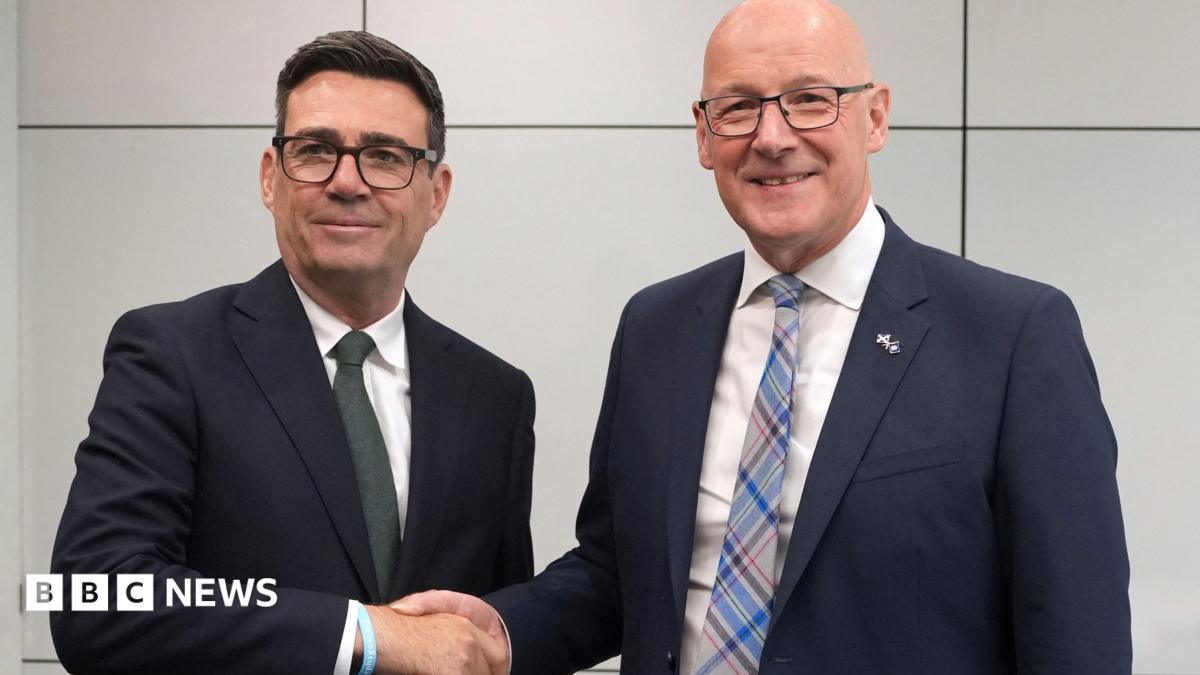
Senior ministers and key aides close to Andy Burnham are preparing to work regularly from No 10 North, which the prime minister has identified as the “dominant driver of the UK’s economy.” This new extension of Downing Street currently operates out of Heron House in Manchester city centre, while a brownfield site undergoes redevelopment to provide a permanent location.
Among those planning to be based at No 10 North are Education Secretary Lucy Powell, Housing Secretary Angela Rayner, and Louise Haigh, the Chancellor of the Duchy of Lancaster who oversees the branch. Burnham himself intends to spend at least one day a week working from the new site and is expected to start soon. His closest adviser, Kevin Lee, director of his mayoral office, will also relocate there following next week’s Greater Manchester mayoral election.
A recent blueprint for No 10 North, produced by the think tank Re:State, suggests the workforce there could grow to as many as 300 employees within 18 months. Several Greater Manchester Combined Authority (GMCA) staff have already been recruited to join the initiative, including senior managers and the chief executive, Caroline Simpson, who will take on the role of Downing Street’s deputy chief of staff at No 10 North. Directors John Wrathmell and Claire Norman are also among those transitioning to the new centre.
Some civil servants based in London have expressed unease about the uncertainty tied to the plans, with most specifics expected to be unveiled in the coming weeks. Reports indicate that before Burnham became prime minister, senior officials were called to briefings where they were informed that a major programme to shift staff out of London was under development. Those on leave were advised that these changes would already be underway upon their return.
Dave Penman, general secretary of the FDA union representing senior civil servants, welcomed the government restructuring but highlighted the difficulty relocation presents for staff. He pointed out that moving out of London raises concerns about future opportunities, particularly given the high cost of housing and the question of whether the change is permanent or subject to reversal by future administrations.
Burnham has sought to reassure cabinet members that No 10 North is not merely a symbolic gesture, aiming to convince skeptics and civil servants who may face career impacts that the plan is designed to have real, lasting influence. Dr Simon Kaye, who authored the Re:State report, emphasised the importance of building a critical mass of people with a strong shared purpose, ensuring No 10 North endures regardless of future political leadership.
While civil servants generally support the creation of No 10 North, some remain skeptical that it will be distinct from existing regional government offices if most ministers, political journalists, and business leaders remain concentrated in London. A number of northern England civil servants have expressed frustration over not being given early opportunities to apply for roles at No 10 North ahead of relocation offers extended to London-based staff. One official, speaking anonymously under the Civil Service Code, stressed the importance of recognising local talent and creating career opportunities near the communities served.
Henri Murison, chief executive of the Northern Powerhouse Partnership, noted that relocating civil servants out of London is not a new practice, referencing the establishment of the Darlington Economic Campus as an example. He observed that while senior civil servants have occasionally been based outside London, ministers rarely have been, underscoring a continuing challenge in balancing government presence across regions
Read the full article from The BBC here: Read More
Auto Amazon Links: No products found.