Auto Amazon Links: No products found.
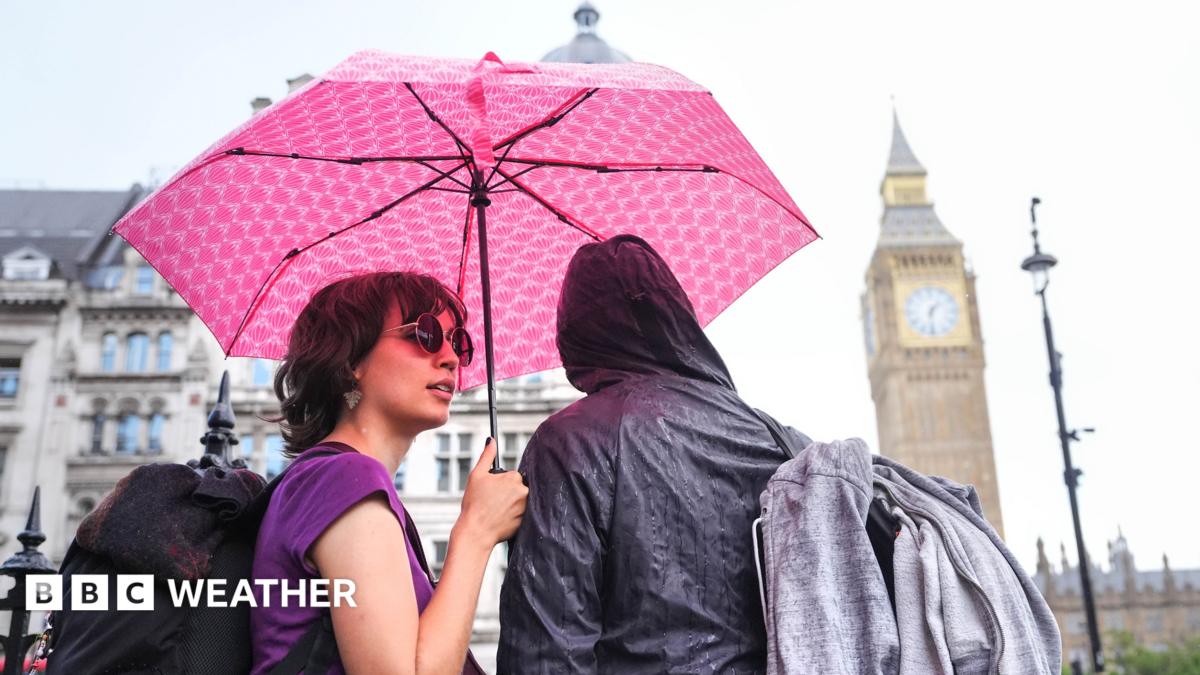
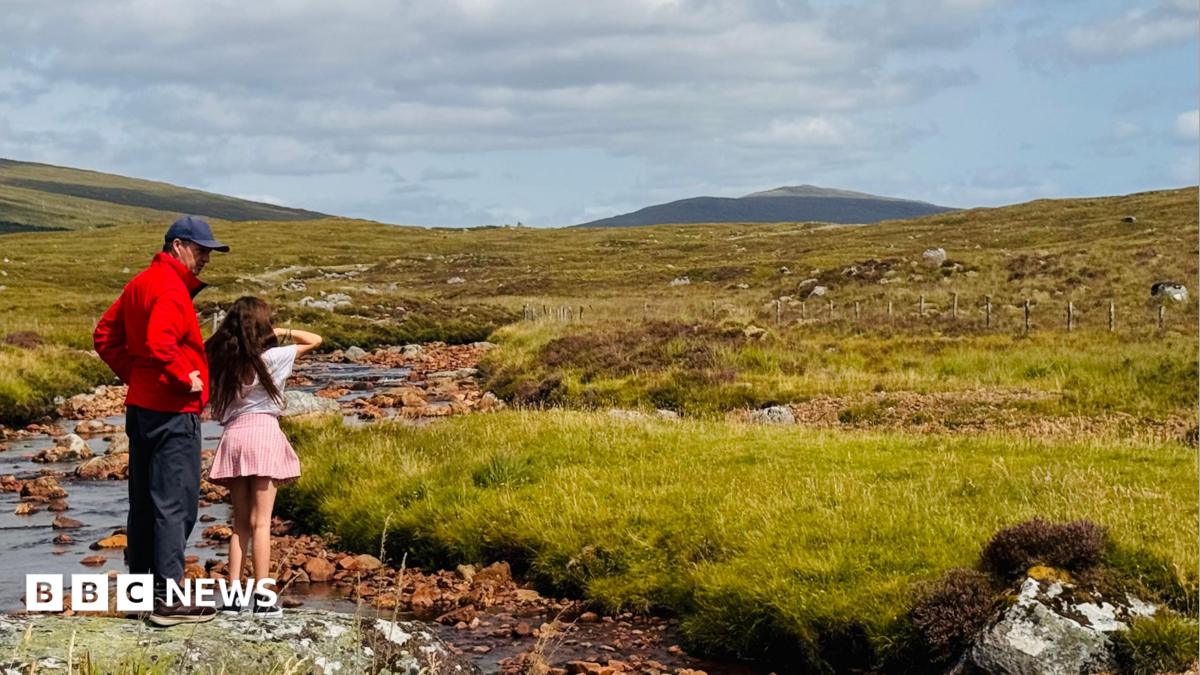
James MacLeod, who works as a concierge at the Glencoe House Hotel in the Scottish Highlands, has observed a remarkable change in visitors’ attitudes. He notes that people previously admired the beauty of the Highlands but lamented the weather. Now, however, he says, “People are coming for the weather.” Visitors no longer seem bothered by the midges or rain; instead, they appreciate the fact that it’s not excessively hot.
This shift is part of a larger trend driven by climate change, which is reshaping Europe’s summer tourism landscape. Southern Europe has been grappling with wildfires, drought, and extreme heatwaves, making the summer season increasingly uncomfortable and unpredictable. Meanwhile, northern European countries, including Scotland, have become attractive destinations for travelers seeking cooler climates or “coolcations.” According to data from the European Travel Commission (ETC), visitor numbers in northern Europe—which encompasses Denmark, Finland, Iceland, Ireland, Norway, Sweden, and the UK—grew by 10% between April and June this year compared to the same timeframe in 2025. The ETC highlighted that northern Europe “outperformed all other European subregions.”
Travel trends also reflect this cooling destination appeal. Trip.com reported a 74% surge in searches for cooler holiday spots from January to April this year, relative to 2025, as more travelers aimed to escape the heat. Similarly, Awaze, a European holiday-rental operator, found that searches for phrases like “escape the heat” increased threefold over the past three months, and interest in “coolcations” grew more than fourfold. In the UK, holiday rental website Cottages.com noted particularly high demand for its Scottish listings during the summer.
The trend of vacationers moving northward is not confined to Scotland or the Nordic countries. For example, the Dutch coastal city of The Hague has recently gained attention as a growing “coolcation” hotspot, combining vibrant urban life and natural coastal attractions. However, the influx of tourists has caused logistical challenges, with areas like Kijkduin seeing street closures to prevent traffic congestion caused by vehicles from Belgium, Germany, and the Netherlands. Nearby, residents in Zandvoort resorted to placing fake diversion signs to discourage tourists. Similar crowding issues have emerged in the Scottish Highlands; Nick, a visitor from the United States, commented on how busy the region has become, comparing a local car park to a crowded shopping mall. Visitors frequently pause to take photos before moving on to another scenic location.
Other well-known places in Scotland that attract large numbers of tourists are facing pressure as well. Greenwood remarks that the Fairy Pools on the Isle of Skye and Edinburgh’s Royal Mile have become “victims of their own virality,” overwhelmed by their popularity on social media. To address these challenges, Edinburgh recently implemented the UK’s first-ever tourist tax, adding a 5% surcharge to hotel room prices. This fee is projected to generate up to £50 million annually. Edinburgh Council Leader Jane Meagher explained that the city’s popularity strains local services and residents, and that this new tax “will help improve the services and public spaces we all depend on, while better managing the effects of tourism and major events.”
In Glencoe, efforts are underway to manage increasing tourist numbers more sustainably. The National Trust for Scotland has expanded parking facilities and is investing in a 5km cycle route. Plans are also in development to introduce a park-and-ride scheme, along with shuttle buses connecting different parts of the mountain ranges. Bryce, speaking about managing visitor behavior, stated, “There will always be people who want to stop and take a quick selfie. We need to provide alternatives [to going by car].
Read the full article from The BBC here: Read More
Auto Amazon Links: No products found.