Auto Amazon Links: No products found.
Three Iranian nationals are currently facing trial in London, accused of conducting espionage activities targeting UK-based journalists. The allegations claim that these men were involved in surveillance operations carried out with the intention of enabling “serious violence” against the journalists. The case is being heard at Woolwich Crown Court.
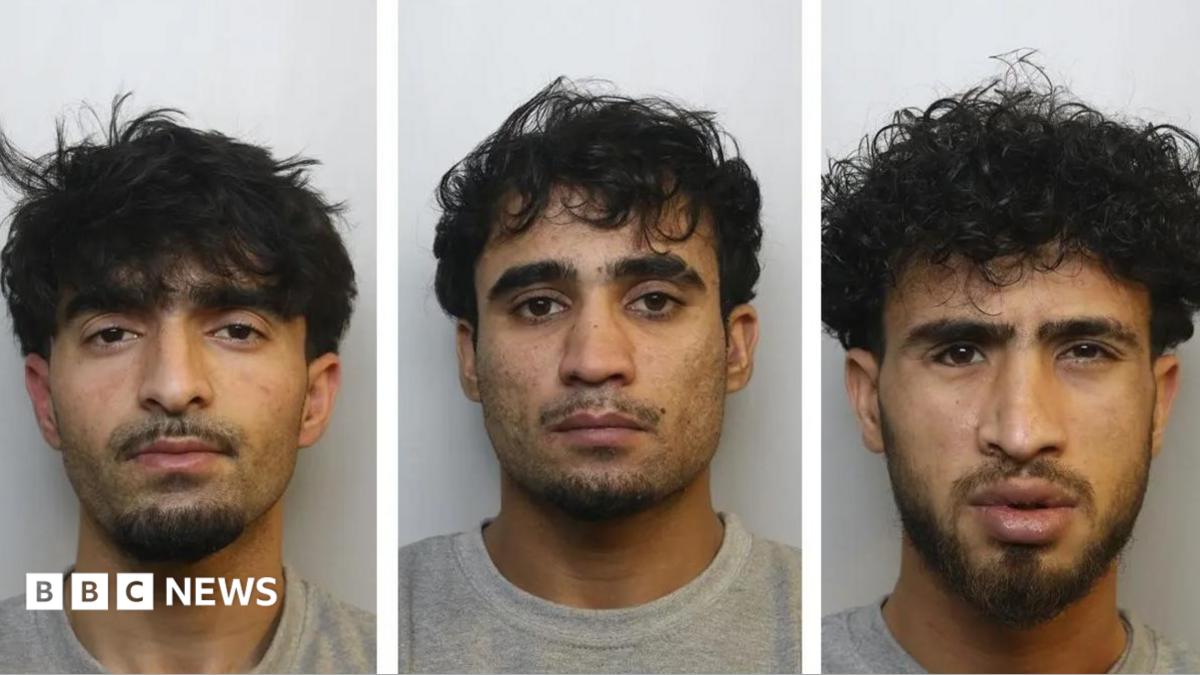
Mostafa Sepahvand, aged 41, is purported to have been the individual designated to carry out the violent attack. Meanwhile, Farhad Manesh, 46, and Shapoor Noori, 57, were reportedly responsible for surveillance and reconnaissance work. Although all three were born in Iran, they have been residing in London. Sepahvand has admitted involvement but argues that his actions were driven by fear of the consequences of refusal. However, the prosecution contends that this explanation is unfounded, asserting that Sepahvand acted primarily for financial gain and to have a previous criminal conviction for theft in Iran overturned.
The prosecution also revealed that Sepahvand was in communication with individuals using Iranian phone numbers. Manesh and Noori, however, are anticipated to claim that they were unaware that their surveillance was conducted on behalf of the Iranian government. The three defendants face multiple charges under the National Security Act, including allegations of assisting a foreign intelligence service.
According to prosecutor Bill Emlyn Jones KC, the individuals targeted were journalists associated with Iran International, a Persian-language satellite TV station based in London that is outspoken against the Tehran regime. At least two journalists linked to this channel were subjected to surveillance, with one specifically believed to have been targeted to face significant violence, intended both as retribution and as a means to intimidate others from voicing criticism. Jones highlighted that Iran International has been labeled a “terrorist organisation” by the Iranian government.
The evidence presented by the prosecution details how the defendants conducted surveillance activities, including visiting addresses connected to their targets, capturing photographs and videos, and conducting online research. Jones described these actions as unmistakably espionage in nature. Additionally, the men reportedly possessed a “briefing sheet” concerning Jonathan Turner, a barrister and founding member of UK Lawyers for Israel.
One of the journalists targeted was Mojtaba Pourmohsen; images related to him, his workplace, and a hotel he had stayed at were recovered from a briefing document found on Sepahvand’s mobile phone. Noori is alleged to have taken photographs of the apartment block where Pourmohsen lived in Brentford, southwest London, in December 2024, with Sepahvand and Manesh also visiting the location to capture images and videos.
Another surveillance target named during the trial was Kambiz Hosseini. The prosecution revealed that the men had detailed knowledge about him, including the name of his dog and the color of his car. Jones emphasized the severe psychological impact such invasive monitoring could have on a person, saying, “You can imagine the fear and psychological impact caused to him by discovering that all of those details about him, including the name of his dog, were known to the intelligence services.”
An important aspect highlighted during the trial is Sepahvand’s motivation, which prosecutors argue included an attempt to rectify a criminal theft conviction he held in Iran. Jones stated, “He was not just in it for money. He quite explicitly wants something very particular in return for his work – he wanted his criminal conviction in Iran to be fixed.” Despite some contentious exchanges in communications with his Iranian contacts, where Sepahvand expressed frustration about the dangers and personal sacrifices involved, he continued with the task. In one recorded voice note he said, “This job is about committing an offence… I’m supposed to put up my own money, put my own life at risk, put my car into it, put my time into it, leave my wife, leave my home, go chasing after their business, and in the end get completely screwed because of them.” He further acknowledged the illegal nature of the assignment and demanded at least £10,000 upfront, while the total payment promised for completing the task was £150,000.
All three men deny the charges against them. They were granted temporary leave to remain in the UK after seeking asylum and arrived in the country between 2016 and 2022. Sepahvand entered the UK in 2016 by hiding in a lorry, while Manesh and Noori arrived via small boats. The trial remains ongoing
Read the full article from The BBC here: Read More
Auto Amazon Links: No products found.