Celebrity loses injunction bid but will stay anonymous pending appeal
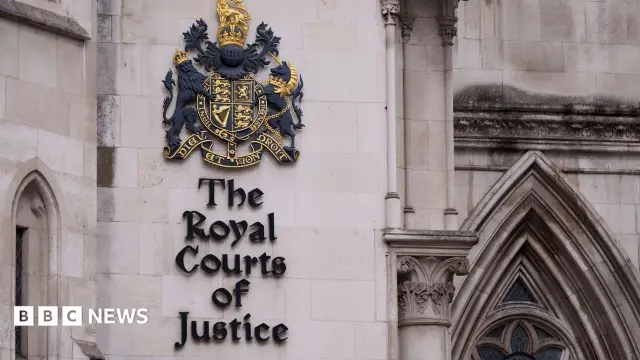
A well-known individual sought a permanent injunction from the High Court to stop two news outlets from revealing his identity and reporting on accusations of sexual misconduct against him. However, the court ruled against granting this permanent order, denying his request to prevent publication indefinitely. Despite this, the judge decided that a temporary injunction should stay in place, maintaining anonymity and restrictions on reporting while the celebrity considers an appeal.
ITN and The Guardian have publicly stated their belief that sharing the allegations is in the public’s interest. Their investigation claims the man exploited his position to engage in or attempt inappropriate sexual behavior with numerous girls and young women. The celebrity has denied these allegations and argued that if the information were published, it would likely lead to him taking his own life. He contended that the court ought to block any form of publication or broadcasting of these claims.
In delivering the judgment, Mr Justice Nicklin dismissed the permanent injunction application, emphasizing that the court did not rule on the truthfulness of the allegations and that denying the injunction does not imply endorsement of any details the media may publish. The judge acknowledged the repeated assertions by the man of suicidal intent if the story is made public and emphasized the importance of taking these claims seriously. Nonetheless, he noted that such statements do not guarantee suicide is unavoidable and that treatment could potentially mitigate the risk. The ongoing strict anonymity order continues to legally prohibit naming the individual or revealing information that might identify him.
The case presents complex legal questions around whether courts should block media publications when an individual warns that such exposure could prompt self-harm. The celebrity first approached the court during the summer to halt the investigative reporting after being contacted about the allegations. His legal counsel described the potential disclosure as having a “potentially fatal impact,” referencing previous suicide attempts and hospitalizations following media contact. These incidents were attributed not directly to the allegations but to sustained trauma and fear of being subjected to intense media scrutiny. Lawyers for the news organisations countered that the public has a significant interest in accessing the story due to the serious nature of the accusations. In his ruling, the judge highlighted that the allegations touch on matters of abuse of power, sexual misconduct, and inappropriate behavior involving young or vulnerable individuals—topics that contribute meaningfully to public discussion. Although the celebrity argued that publication would violate his rights under the European Convention on Human Rights, including the right to life and protection from degrading treatment, these claims were ultimately rejected by the court. The judge recognized the severe impact publication would have on the man’s mental health but maintained that the law does not require the court to proactively prevent such suffering by limiting freedom of expression
On air now
The Homestretch