Women’s criminal records wiped for abortion offences
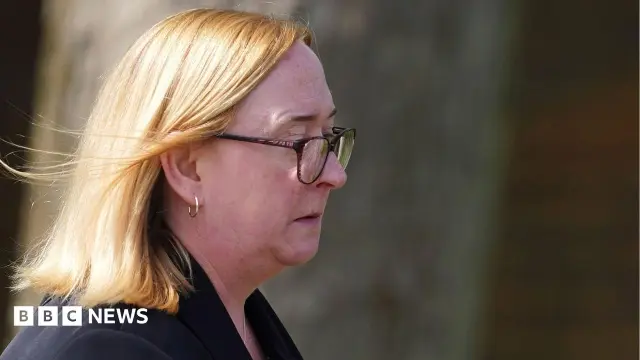
In 2020, Ms. Packer, who was 41 years old at the time, terminated a pregnancy by taking mifepristone and misoprostol, pills prescribed to her over the phone due to COVID-19 restrictions. Prosecutors claimed she was aware that her pregnancy had exceeded ten weeks, an assertion she denied. After more than six hours of jury deliberation, a unanimous verdict was reached clearing her of any wrongdoing.
Ms. Packer’s close friend, Ms. Tumbridge, spoke to the BBC with Nicola’s consent about the ordeal, describing it as “incredibly traumatic.” Nicola had experienced a cryptic pregnancy, a condition where there are no visible or typical pregnancy symptoms such as a baby bump. “She thought she was just a few weeks pregnant and she sought an abortion and was prescribed that by the NHS. Unfortunately, she was a lot more far gone,” Tumbridge explained.
Following the stillbirth, Nicola went to the hospital where staff alerted the police. She was arrested and spent time recovering in her hospital room under police supervision, with two officers present, including a male officer. She recounted that her treatment was “appallingly” handled, noting she was even forced to use the toilet with the door open in front of the officers. The legal process took five years before Ms. Packer was finally found not guilty. Tumbridge highlighted the lasting impact of the experience, stating, “Of course, by that point the damage had been done, and she’ll live with that trauma for the rest of her life.”
The Royal College of Obstetricians and Gynaecologists commented at the time that Nicola’s trial exposed “just how outdated and harmful” the existing law was. Since then, it has become legal for pregnant women to terminate their own pregnancies at any stage without it being considered a criminal offence. Minister for Victims and Tackling Violence Against Women and Girls, Alex Davies-Jones, has emphasized that women affected by past laws do not need to take any action themselves. He expressed satisfaction at initiating the legal changes approved by Parliament and noted the importance of providing accessible information for those impacted. Heidi Stewart from the abortion care provider BPAS remarked that while a pardon cannot erase the distress endured by women criminalized for abortion, the law’s reform marks a significant move towards justice. Currently, abortion in England and Wales is legal up to 24 weeks with some exceptions allowing later procedures, and women under ten weeks can legally take prescribed abortion medication at home
On air now
Gentle Juice