Children dropping out of school: What can politicians do about it?
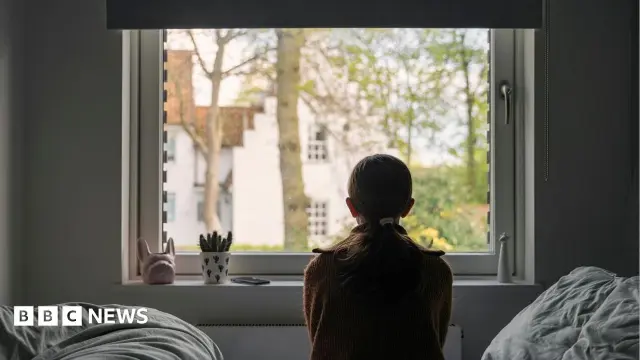
The stories of Eva and Mali, two teenagers who have struggled with school attendance, spotlight a critical issue that the Milburn Review aims to tackle. These accounts illustrate the challenges faced by many young people in England who are either infrequently attending school or not engaging at all. The review, led by former Labour cabinet minister Alan Milburn and commissioned by the government, seeks solutions for the significant problem of nearly one million young people classified as NEET—those not in employment, education, or training.
One of the main hurdles in addressing the NEET problem is persistent school absence. According to government data, about one-third of young people who are consistently absent during Years 10 and 11 end up as NEET, compared to only 10% of those with better attendance records. Furthermore, persistent absence rates rise sharply from Years 7 to 9, by which time about one in four pupils are regularly missing school.
Individual stories add a human dimension to these statistics. Eva, who is 13 years old, had not attended school for 15 months before returning last September. She recounted her daily struggles to even leave the house for school. Mali, aged 18, dropped out during Year 10 three years ago. These personal experiences were shared with policymakers and political figures, who are now debating the underlying causes and potential remedies.
The political discussion surrounding this issue reveals differing perspectives. Labour argues that Conservative education reforms over the past 15 years have benefited high academic achievers but failed others, resulting in what one insider described as “an endless treadmill of failure.” In contrast, a government spokesperson emphasized the need for schools to foster a sense of belonging, stating, “When children feel they belong at school, they show up, and when they show up, they achieve.” Similarly, the Liberal Democrats criticized the Conservative government for insufficient support and underinvestment, particularly after the lockdown period, leading to rising mental health concerns among young people.
This debate raises multiple questions about responsibility—whether it lies with individuals, families, schools, mental health services, or broader societal factors. The Conservative Party has defended its record strongly. Shadow Education Secretary Laura Trott highlighted the importance of not giving up on any child and supported specialist assistance for those with special educational needs, while rejecting the notion that the curriculum causes disengagement. Former Conservative minister Suella Braverman, now with Reform UK, pointed to the influence of school culture and parental involvement, emphasizing perseverance as a key factor in reducing absence.
The government is anticipated to broadly accept the recommendations of Alan Milburn’s report and issue a detailed response soon. An announcement from Education Secretary Lucy Powell addressing the needs of young people like Eva and Mali is expected later this week
On air now
Gentle Juice